





The Art of Watering Less, But Better
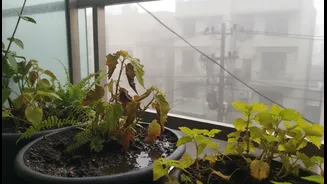
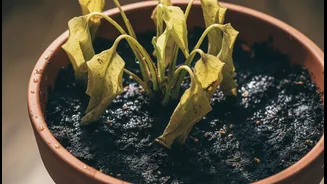
More container plants die from overwatering than any other cause. A plant’s drooping leaves might scream 'thirsty', but soggy soil can produce the exact same symptom because the waterlogged roots are suffocating and can no longer absorb water or nutrients.
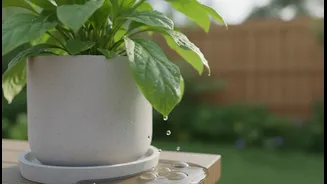
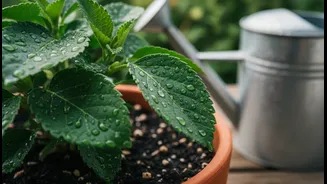
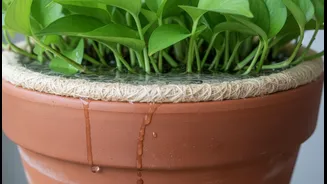
Before you reach for the watering can, use the finger test: stick your index finger into the soil up to the second knuckle. If it feels dry, it’s time to water. If it feels moist like a wrung-out sponge, hold off. When you do water, do it thoroughly. Water slowly and deeply, aiming for the soil, not the foliage, until water runs freely from the pot's drainage holes. This encourages roots to grow deep into the pot, making the plant more resilient. Watering in the morning is ideal, as it gives the plant moisture to face the day and allows leaves to dry, reducing the risk of fungal diseases.
Pruning for Health and Vigour
Pruning can feel intimidating, but it's one of the best things you can do for your plant's health and appearance. The primary goal is to redirect the plant's energy. Start by gathering clean, sharp pruning shears. Sterilising your tools before and after use prevents the spread of disease. First, remove any leaves or branches that are dead, damaged, or diseased. These should be cut off at their base. Next, step back and look at the overall shape. To encourage fuller, bushier growth on plants that are getting long and 'leggy', make your cuts just above a leaf node—the point where a leaf meets the stem. This activates hormones that stimulate new branches to grow from that point. A good rule of thumb is to never remove more than 25-30% of the plant’s foliage at one time, as this can cause stress. For most houseplants, the best time for a major prune is in the spring, at the start of the growing season.
Why Free-Draining Pots are Non-Negotiable
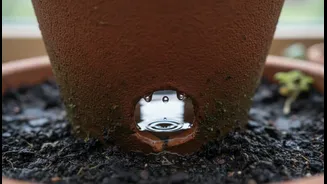
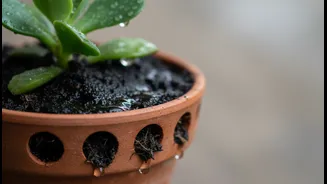
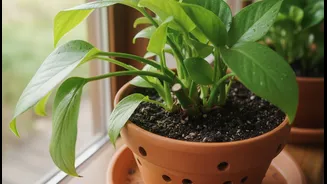
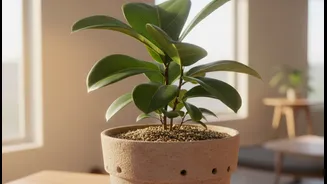
Proper drainage is the foundation of healthy container gardening. Without it, you’re creating an environment ripe for root rot, a condition from which plants rarely recover. The first step is to choose the right pot. Always look for containers with at least one, and preferably multiple, drainage holes at the bottom. If you fall in love with a decorative pot that has no holes, use it as a 'cachepot'—simply place a plain plastic nursery pot with drainage holes inside it. The material of the pot also plays a role. Porous materials like unglazed terracotta allow moisture and air to move through the sides, helping the soil to dry out more evenly. It’s a long-standing myth that adding a layer of gravel to the bottom of a pot improves drainage; in reality, it just raises the level of saturated soil, bringing it closer to the plant's roots. Instead, focus on using a quality potting mix designed for containers, which is lighter than garden soil and often contains ingredients like perlite or pine bark to improve aeration and drainage.