




Meet the Unwanted Guests
The first step in pest prevention is knowing your adversary. In Indian kitchens, the most common intruders are small beetles like weevils and flour beetles, and the larvae of Indian meal moths. These pests are experts at finding their way into your home.
Often, they hitch a ride from the grocery store or processing plant, hidden inside paper, cardboard, or thin plastic packaging. Weevils, known as 'ghun' in Hindi, are tiny beetles with long snouts that infest whole grains like rice and wheat. Flour beetles are small, reddish-brown insects that contaminate flour, cereals, and cake mixes. Indian meal moths are perhaps the most noticeable; you might see the small moths fluttering around your kitchen, but the real damage is done by their larvae, which spin webs in grains, nuts, and spices. These pests are not just a nuisance; they contaminate food with droppings and webs, making it unsafe to eat.
Build a Fortress with Airtight Containers
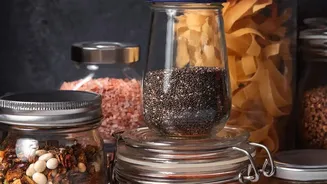
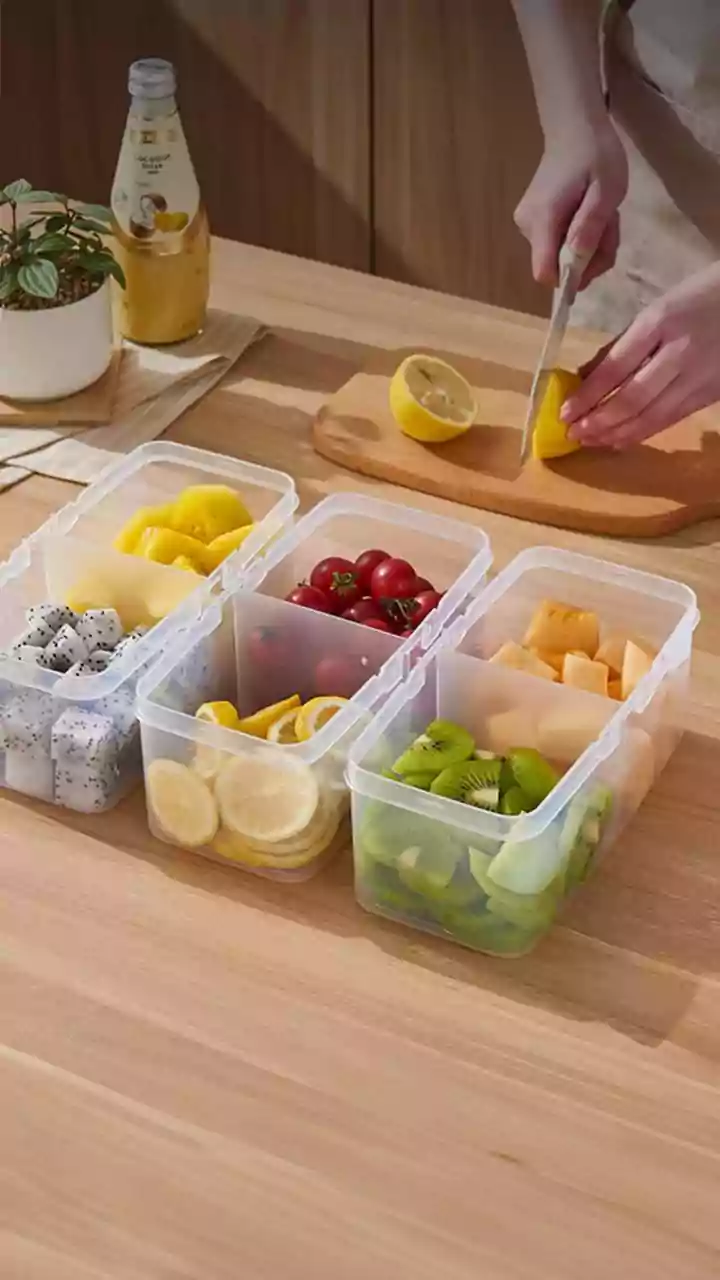
The single most effective strategy against pantry pests is to eliminate their access to food. The original packaging of most dry goods is not pest-proof. Investing in proper storage is non-negotiable. Transfer items like flour, lentils (dal), rice, spices, and sugar into airtight containers immediately after purchase. The best options are glass jars with rubber gaskets or high-quality, BPA-free plastic containers with locking lids and a silicone seal. These create a barrier that pests cannot chew through and, just as importantly, they lock in scents that attract insects in the first place. If a stray pest does manage to arrive in a new bag of flour, this strategy contains the infestation to a single jar, saving the rest of your pantry from a full-blown invasion. Clear containers also allow you to see the contents at a glance, making it easy to spot any potential issues early.
Create a Hostile Environment for Pests
Pests thrive in specific conditions, and your job is to make your pantry as inhospitable as possible. Warmth and humidity accelerate their life cycles, allowing them to multiply quickly. Store your dry goods in a cool, dry, and dark place. Avoid keeping them near the stove, under the sink, or in direct sunlight. Moisture from cooking or a leaking pipe can make food more attractive to pests and encourage mould growth. Before you even store your goods, consider freezing new bags of flour, grains, or nuts for four days. This simple step kills any existing eggs or larvae that might be present from the store, ensuring you aren't accidentally introducing an infestation.
The Power of a Regular Clean-Up
A clean pantry is a pest-free pantry. Crumbs and spills are an open invitation for bugs. At least once every few months, perform a deep clean. Empty the shelves completely. Use a vacuum cleaner with a crevice tool to suck up any dust, crumbs, and hidden insects from corners and cracks. After vacuuming, wipe down all surfaces with a solution of equal parts white vinegar and water. Vinegar acts as a natural cleaning agent and helps to erase the scent trails that pests like ants follow. Make sure shelves are completely dry before you restock them. For daily maintenance, wipe up any spills immediately and ensure container lids and rims are clean before sealing.
Adopt Smart Shopping and Rotation Habits
Your pest prevention strategy starts at the store. Inspect packaging for any small holes, tears, or signs of webbing before you buy. Avoid purchasing large quantities of items you use slowly, as the longer something sits, the more vulnerable it becomes. At home, practice the "first in, first out" (FIFO) method. When you buy a new packet of an item you already have, move the older one to the front of the shelf to ensure it gets used first. This simple rotation prevents forgotten packets from becoming breeding grounds at the back of the cupboard. Before refilling a container, wash and dry it thoroughly; never mix old and new products in the same container.
Use Natural Repellents as a Final Defence
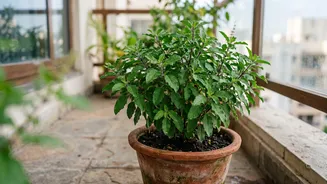
For an extra layer of protection, several natural repellents can help deter pests. Many Indian households already use some of these traditional methods. Placing a few dried bay leaves inside containers of flour, rice, and other grains is a well-known deterrent for weevils and moths. The strong scent of cloves and cinnamon sticks can also repel various insects; place them in the corners of your cabinets. Some also find that neem leaves, with their powerful insecticidal properties, are effective when placed on shelves. While these natural repellents are great for prevention, they are not a solution for an active infestation. They work best as a final, fragrant barrier in a pantry that is already clean and well-organized.