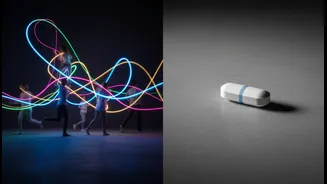










The Promise in a Prescription
It’s impossible to ignore the buzz surrounding a new class of drugs known as GLP-1 agonists. Medications like semaglutide and tirzepatide, originally developed for diabetes management, have shown remarkable effectiveness for weight loss, rivaling the results
of bariatric surgery. For individuals who have struggled for years with obesity and its related health complications, these drugs can be life-changing tools. They work by mimicking a hormone that signals satiety to the brain, helping to control blood sugar and reduce appetite. It’s a testament to medical innovation. However, experts also caution against viewing them as a universal cure-all, noting that the public fervor may lead to overuse without considering the full picture of well-being.
Movement's Irreplaceable Magic
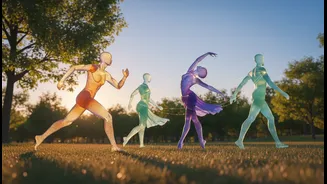
The conversation around these drugs often centers on weight, but the benefits of physical movement extend far beyond the numbers on a scale. Regular activity is one of the most powerful things we can do for our mental health. Exercise releases endorphins, the body’s natural mood elevators, which can reduce stress, ease anxiety, and improve self-esteem. Even a short 10-minute walk can boost mental alertness and energy. Movement helps emotions move through our bodies, provides an outlet for expression, and strengthens the connection we have with our own physical selves. It improves sleep quality, helps manage pain, and fortifies our immune system. These are deep, holistic benefits that are generated from within, fostering a sense of capability and vitality that a purely chemical intervention cannot manufacture.
The Deep Need for Belonging
Humans are social creatures by nature. A sense of belonging is not a luxury; it is a fundamental need that is vital for our psychological and physical health. Research has consistently shown that strong social connections are linked to a longer, healthier life. Being part of a community can lower the risk of heart disease, stroke, dementia, depression, and anxiety. When we feel connected, supported, and valued by others, it provides a powerful buffer against life's stressors. This sense of belonging gives us a shared identity and purpose, reminding us we are part of something larger than ourselves. The loneliness epidemic, as some have called it, is a serious public health crisis, and its solution lies in fostering real human connection, not in a pharmacy.
Where Movement and Community Meet
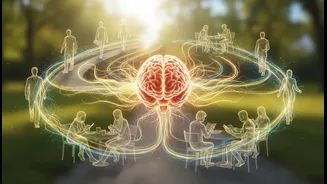
The true magic happens when movement and belonging intertwine. Think of a neighborhood walking group, a weekly dance class, a local sports team, or simply hiking with a friend. In these settings, the benefits are compounded. You get the mood-boosting effects of physical activity alongside the stress-reducing power of social connection. Participating in group activities encourages accountability and healthy habits while simultaneously combating the isolation that plagues modern life. These shared experiences build trust, resilience, and friendships. They create a positive feedback loop: feeling good from the movement makes you want to show up, and showing up reinforces the social bonds that make you feel supported and happy. This potent combination is what builds a truly resilient foundation for well-being.