







An Arrival Unlike Any Other
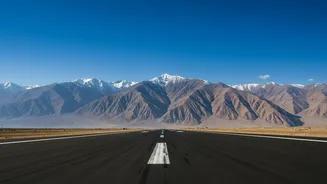
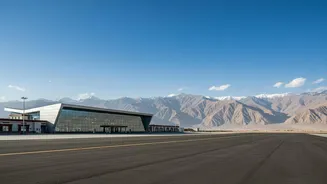
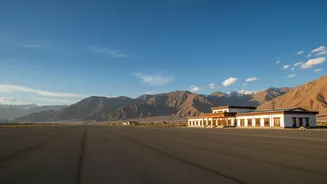
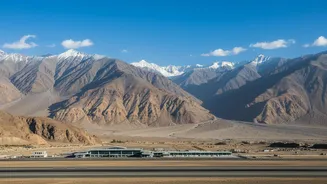
Touching down at Kushok Bakula Rimpochee Airport (IXL) in Leh is an experience in itself. As one of the highest commercial airports in the world, situated at an altitude of over 3,256 metres (10,682 feet), it offers a dramatic welcome. Flights here are
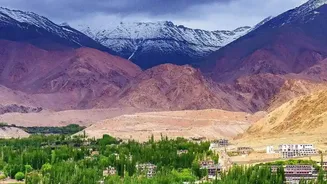
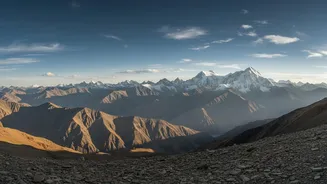
typically scheduled for the morning to avoid the strong afternoon winds that sweep through the mountains. Stepping onto the tarmac, you are immediately enveloped by crisp, thin air and a stunning 360-degree view of the Himalayan and Stok mountain ranges. The airport is a dual-purpose civilian and military airbase, so security is tight, but the sheer scale of the landscape that greets you is the true highlight. This isn't just a transit point; it's your first immersive encounter with the breathtaking beauty of Ladakh.
The Golden Rule: Acclimatize, Acclimatize, Acclimatize
The most critical advice for any traveller flying into Leh is to respect the altitude. Your body has been abruptly transported to over 11,500 feet, where there is significantly less oxygen in the air. Altitude sickness, or Acute Mountain Sickness (AMS), is a common risk, with symptoms like headaches, dizziness, and nausea. The only way to prevent it is to allow your body to adjust. The non-negotiable rule is to dedicate the first 24 to 48 hours to complete rest. This means no strenuous activity, not even a brisk walk around the market. Instead, drink plenty of water (at least 3-4 litres a day), eat light carbohydrate-rich meals, and avoid alcohol and smoking, as they can hinder the acclimatization process. Listening to your body during these initial hours is crucial for a safe and enjoyable trip.
From Tarmac to Town
Leh town is conveniently located just a few kilometres from the airport, and the journey to your hotel offers the first real glimpse into Ladakhi life. The most common way to get to the city is via a prepaid taxi from the counter inside the arrivals hall. Many hotels also offer pre-arranged pickups. The 10-15 minute drive winds through a landscape dotted with traditional mud-brick houses, fluttering prayer flags, and whitewashed stupas. You'll pass the Spituk Monastery perched on a nearby hill, an ancient symbol of the region's deep Buddhist heritage. This short drive is a gentle introduction to the unique culture and architecture that defines this high-altitude desert, setting a serene tone for the days ahead.
Leh's Treasures at Your Doorstep
Once you have properly acclimatized, you'll find that Leh itself is a treasure trove of sights, all easily accessible. The headline doesn't lie; you are immediately close to the region's cultural landmarks. A short drive or a steady walk can take you to Shanti Stupa, a gleaming white peace pagoda built by Japanese monks. Perched on a hilltop, it offers spectacular panoramic views of Leh town and the surrounding Stok range, especially at sunrise or sunset. Just across the valley, the imposing Leh Palace towers over the Old Town. This 17th-century former royal residence, reminiscent of Tibet's Potala Palace, provides a fascinating journey into the region's history. Between these two landmarks, the bustling Leh Main Bazaar offers a chance to explore local handicrafts and sample Ladakhi cuisine.
The Gateway to a Larger World
While Leh has plenty to offer, its greatest advantage is its position as the perfect base camp for exploring the wider wonders of Ladakh. The airport's location makes it the starting point for some of India’s most epic road trips. After acclimatizing, you can arrange journeys to the surreal, colour-changing Pangong Lake, the high-altitude dunes of Nubra Valley via the formidable Khardung La pass, and the tranquil Tso Moriri lake. The confluence of the Indus and Zanskar rivers, known as Sangam, is another popular nearby attraction where you can see the distinct colours of the two rivers meet. Every journey from Leh unfolds into another layer of Ladakh's stark and stunning beauty, reinforcing its role as the heart of this Himalayan kingdom.