







First, Fuel Your Body Adequately
To build muscle, your body needs to be in a state of energy surplus. This means consuming slightly more calories than you burn. Think of it like building a house; you can't construct new additions without an adequate supply of raw materials. Aiming for
a modest surplus of 300-500 calories per day is often recommended to promote lean muscle gain while minimizing fat storage. Eating frequently, with three balanced meals and a few healthy snacks, can be an effective strategy to increase your calorie intake without feeling overly full at any single meal.
Prioritise Protein, the Muscle Builder
Protein is famously essential for muscle gain because it provides the amino acids necessary to repair and build muscle tissue. After a workout, your muscles have undergone stress and micro-tears; protein is what helps them rebuild stronger and larger. For those actively trying to increase muscle mass through resistance training, a daily intake of around 1.6 to 2.2 grams of protein per kilogram of body weight is widely recommended by experts. Excellent sources include lean meats, poultry, fish, eggs, dairy products like Greek yogurt, and plant-based options such as tofu, lentils, and beans.
Embrace Carbohydrates for Energy
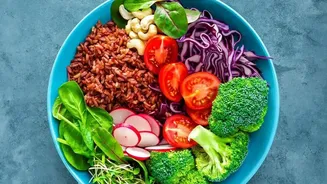
Carbohydrates often get a bad reputation, but they are your body's primary and most efficient energy source, which is crucial for powering intense workouts. Your muscles store carbohydrates as glycogen, which they use for fuel during resistance training. Consuming enough carbs ensures you have the energy to perform your best and helps spare protein from being used as an energy source, allowing it to focus on muscle repair. Focus on complex carbohydrates like oats, brown rice, quinoa, and sweet potatoes for sustained energy.
Don't Forget Healthy Fats
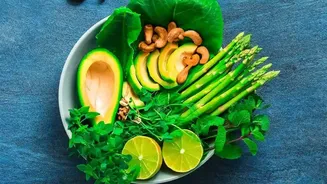
Fats are a vital part of a muscle-building diet, playing a crucial role in overall health and hormone production. Hormones like testosterone are important for muscle growth, and adequate intake of healthy fats supports this process. Fats are also an essential structural component of every cell in your body, including muscle cells. Rather than avoiding them, incorporate healthy fat sources such as avocados, nuts, seeds, and olive oil into your daily meals.
Is Meal Timing a Game Changer?
You may have heard of the "anabolic window," a period after a workout where your body is supposedly primed for nutrient absorption. While consuming a meal with protein and carbs within a couple of hours of training is beneficial for recovery, most experts now agree that total daily intake is more important than precise timing. The key is consistency. Spreading your protein intake relatively evenly throughout the day, perhaps in 20-40 gram doses per meal, can help optimize muscle protein synthesis. Don't stress about hitting a 30-minute window; focus on consistently meeting your daily nutritional goals.