



More Than Just a Social Media Trend
While it might seem like a new fitness fad, retro walking has been used in physiotherapy and athletic training for years. The reason is that it challenges the body in ways that forward walking does not. When you walk forward, your hamstrings and glutes
do much of the work. In reverse, your quadriceps—the large muscles at the front of your thighs—take on a greater load. This helps build strength in muscles that are often underutilised, promoting better overall muscle balance. Furthermore, studies and physical therapists have found that walking backward can put less strain on the knee joints. The motion encourages a toe-to-heel foot strike, which can reduce the compressive force on the kneecap, making it a potentially useful exercise for individuals with certain types of knee pain, such as from osteoarthritis.
A Boost for Your Brain and Balance
The benefits aren't just muscular. Walking in a direction you can't see requires heightened awareness and concentration. This increased focus can sharpen cognitive functions like spatial awareness and coordination. Your brain has to work harder to process the unfamiliar movement, which can improve your proprioception—your body's ability to sense its position in space. This has a direct and positive effect on balance and stability, which is why it's often recommended for older adults or those in rehabilitation programs for stroke or injury. Research has even shown that this activity can improve gait and walking speed in people with certain neurological conditions. It’s a workout for both the body and the mind, forcing you out of your comfort zone and enhancing your focus.
The Undeniable Risks of Reversing
The most significant benefit of backward walking—not being able to see where you're going—is also its greatest risk. The danger of tripping, falling, or colliding with an unseen obstacle, person, or vehicle is substantial. Twisting your neck to constantly look over your shoulder can lead to strain and throw off your balance, negating the very stability you're trying to build. For this reason, backward walking is not suitable for everyone. Individuals with severe balance disorders, vertigo, or certain joint instabilities should avoid it unless cleared by a doctor. Without a clear, predictable, and safe environment, the risk of injury can easily outweigh the potential rewards. The novelty of the exercise should never overshadow the need for a controlled setting.
Your Pre-Walk Safety Checklist
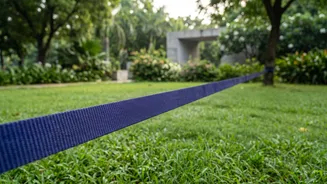
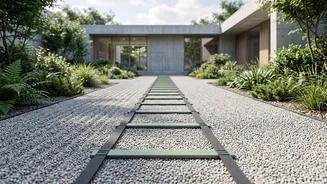
To reap the benefits without the falls, preparation is everything. Before you take your first backward step, follow this mental checklist. First, choose your location wisely. A treadmill with handrails is one of the safest places to start, as it provides a stable, flat surface and allows you to control the speed. If you're outdoors, an empty running track or a wide, clear, and familiar hallway is a good option. Second, clear your path. Ensure the area is completely free of furniture, toys, rugs, or any other tripping hazards. Third, start slow. Begin with just a few minutes at a very slow pace to allow your body and brain to adapt. You can hold onto a wall or have a partner act as a spotter. Your form matters, too: try to keep your back straight and look ahead as much as possible, landing on your toe and rolling back to your heel. Finally, listen to your body; if you feel pain or dizziness, stop immediately.