








A Quiet Revolution in Small-Town India
The narrative that electric cars are only for a select few in Delhi, Mumbai, or Bengaluru is quickly becoming outdated. Recent data shows a significant shift, with Tier 2 and Tier 3 cities emerging as the new growth engines for India's EV market. In fact,
search interest for EVs in these smaller cities is reportedly growing almost three times faster than in Tier 1 metros, with places like Bhubaneswar, Jaipur, and Lucknow showing a remarkable surge in research and purchases. Some manufacturers now report that a majority of sales for certain popular models come from non-metro areas, a clear sign that the EV has shed its “premium city car” label and is being embraced as a practical choice across the country. This move from a 'push' model, where companies had to convince buyers, to a 'pull' model driven by genuine consumer demand marks a maturing of the Indian EV landscape.
Simple Economics: The Ultimate Driver
The single biggest factor behind this trend is compelling household economics. While the initial purchase price of an EV remains higher than its petrol or diesel counterpart, consumers in smaller towns are increasingly focused on the total cost of ownership. With petrol prices remaining a persistent concern, the significantly lower running costs of an EV are a powerful incentive. This is especially true in areas where daily commutes might be shorter and more predictable, making range anxiety less of a concern. Furthermore, the convenience of home charging is often greater in non-metro regions, where independent houses with dedicated parking are more common than in dense urban apartment blocks. Government schemes and subsidies, such as the FAME-II policy and various state-level incentives like road tax waivers, further sweeten the deal, bringing the effective cost down and making the switch financially logical.
More Choices, Better Access
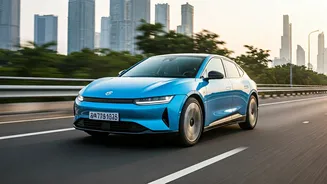
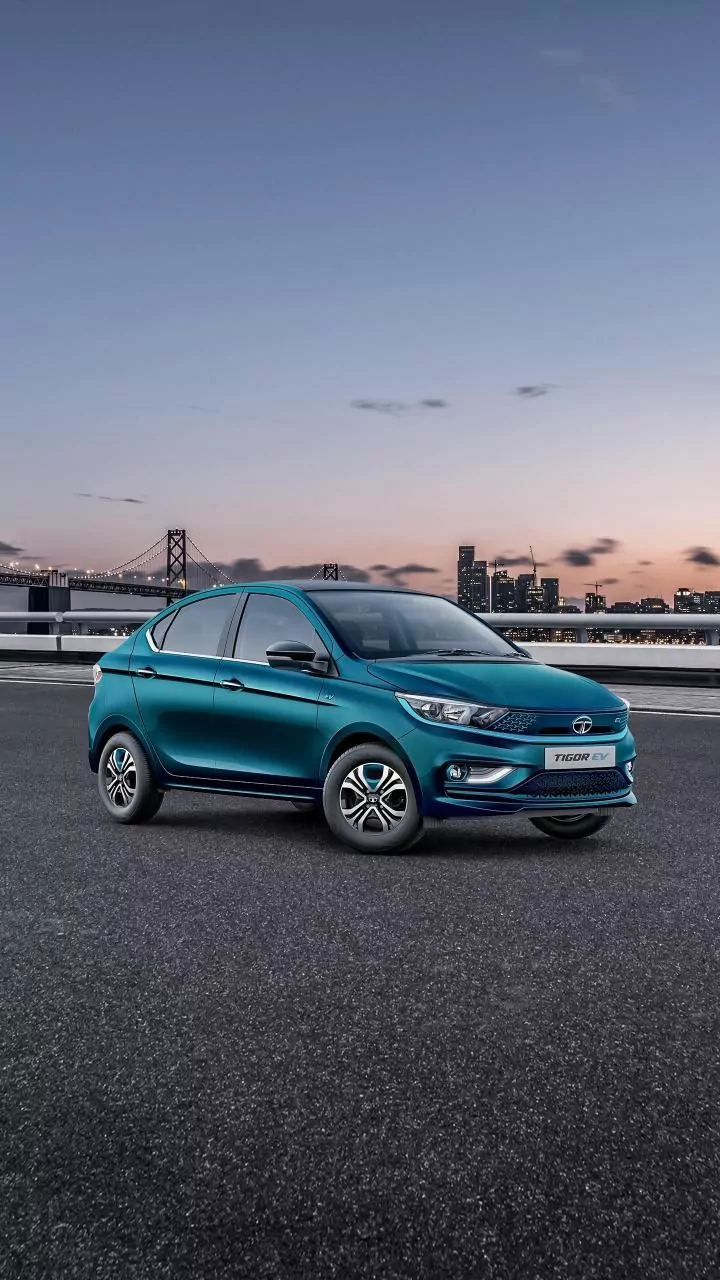
The market's expansion beyond early adopters is also a direct result of a wider range of available products. For a long time, the EV market was dominated by expensive, high-end models. Today, the landscape is different. The number of electric car models in India has doubled in the last two years, with many new launches focused on the sub-Rs 15 lakh segment. This has made EVs accessible to a much broader base of middle-class consumers. Automakers like Tata Motors and MG have been instrumental, introducing popular and relatively affordable electric SUVs and compact cars that fit the needs and budgets of families outside the major metros. This expansion of choice, coupled with growing awareness spread through digital media and word-of-mouth, has helped normalise electric vehicles in mainstream conversations.
The Road Ahead: Infrastructure and Hurdles
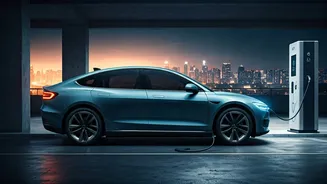
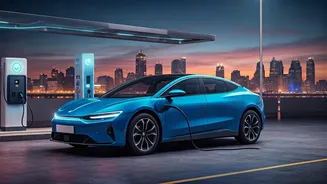
Despite the impressive growth, the journey is not without its challenges. The most significant hurdle remains infrastructure. While home charging may be easier for some, the lack of a robust public charging network in Tier 2 and Tier 3 cities is a major bottleneck, creating 'range anxiety' for those considering longer trips. Reports indicate that India has a long way to go to build the required number of public charging stations to support mass adoption. Additionally, a recent study highlighted that a large percentage of Indian homes may require electrical upgrades to handle the load of an EV charger safely, an often-overlooked cost and logistical issue. The availability of skilled technicians and service centres in smaller towns is another area that needs to keep pace with the growing sales to ensure a smooth ownership experience.