




A Feast of Many Flavours
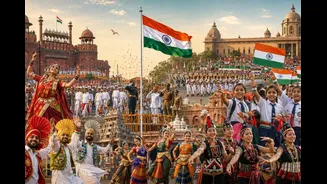
Unlike many national holidays around the world that are associated with a specific meal, India’s Independence Day is a testament to its famous philosophy of “unity in diversity.” There is no single, official dish that graces every table. Instead, the day is marked
by a vast array of regional specialties, festive meals, and personal family traditions. From the mountains of Kashmir to the coasts of Kerala, the August 15 menu is a vibrant reflection of the country itself—a mosaic of cultures, tastes, and identities coexisting on one plate. This absence of a standardized dish isn't a void; it's a powerful statement about a nation that finds unity in celebrating its differences.
The Modern Tricolour Tradition
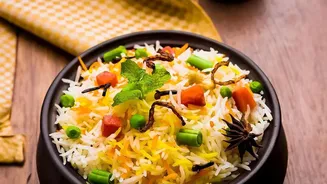
While deep-rooted regional cuisines remain the heart of the celebration, a modern, pan-Indian trend has emerged: the 'Tiranga' or tricolour-themed food. Kitchens across the country get creative, crafting dishes that mirror the saffron, white, and green of the national flag. You might find layered pulao with carrot, plain rice, and spinach, or dhokla artfully steamed in three colours. Even everyday staples get a patriotic makeover, like idlis made with carrot and spinach purees, sandwiches layered with mint chutney and carrot spreads, and colourful fruit skewers. This visual celebration has become a fun, unifying element that allows everyone to participate in the national spirit without overwriting their local culinary heritage.
Regional Pride on a Platter
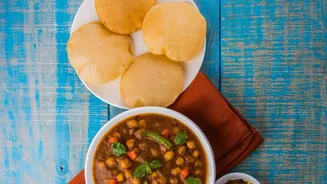
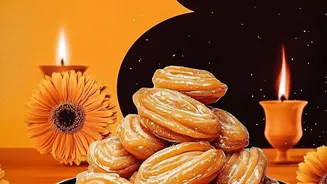
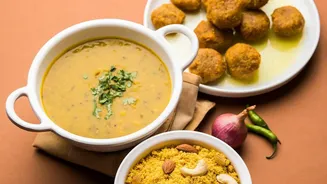
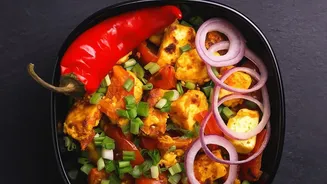
Beyond the tricolour aesthetics, the real culinary story of August 15 lies in the regional kitchens. In the North, the day might be celebrated with hearty dishes like Chole Bhature from Punjab or special sweets like Jalebi, which were famously distributed to celebrate India's first Independence Day. In Maharashtra, families might enjoy snacks like Vada Pav or sweets like Puran Poli. Down South, a festive meal could include lemon rice, payasam (a sweet pudding), and vegetable stew with appam. In West Bengal, a celebratory spread might feature Luchi (fluffy fried bread) with Kosha Mangsho (a slow-cooked mutton curry) or sweets like Sandesh. Each dish is a taste of local history and pride, a flavourful nod to the region's unique identity within the larger nation.
More Than Just a Meal
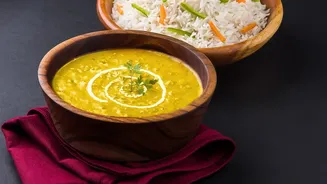
The food served on Independence Day is deeply symbolic. Simple dishes like Khichdi, a humble mix of rice and lentils, are sometimes prepared to remember the communal kitchens of the freedom movement, where people from all backgrounds ate together. Similarly, snacks like Chana Chaat evoke the spirit of protests like the Salt March. Even the choice of what to eat can be an expression of freedom. For many communities, preparing a special non-vegetarian dish like Biryani, Dabba Gosht, or Chicken Xacuti is central to any celebration, including Independence Day. The debate is not just about recipes; it's about a fundamental principle. The freedom to eat what one chooses, rooted in one's own culture and traditions, is seen by many as an essential part of the liberty celebrated on this day.