



The Appeal of a Traditional Remedy
For centuries, ginger has been a cornerstone of traditional medicine, including in India, prized for its potential anti-inflammatory and pain-relieving qualities. The active compounds in ginger, such as gingerols and shogaols, are believed to help reduce
inflammation in a way similar to some over-the-counter pain medications. When applied topically as a warm compress, ginger is thought to stimulate blood circulation to the area, which can help relax tense muscles and ease soreness. This combination of heat and ginger’s natural properties makes it an attractive, low-cost option for managing minor, everyday aches and pains at home.
How to Make a Simple Ginger Compress
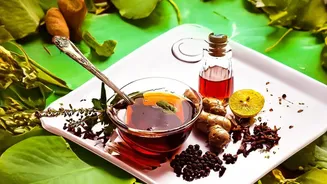
Creating your own ginger compress is straightforward. You will need a piece of fresh ginger root (about 3-4 inches), four cups of water, and a clean washcloth or small towel. First, grate the fresh ginger. Bring the water to a boil in a pot, then add the grated ginger and reduce the heat, letting it simmer for about 10 minutes. Carefully strain the ginger-infused water into a bowl and let it cool slightly so it is hot but not scalding. Soak the towel in the warm ginger water, wring out the excess liquid, and apply it to the affected area for 15 to 20 minutes. You can cover the wet towel with a dry one to retain the heat for longer.
Important Precautions to Take
The word "cautious" in the headline is key. While generally safe, ginger can cause skin irritation or an allergic rash in some individuals. It's crucial to perform a patch test on a small area of skin before applying the compress more widely. Never apply a ginger compress to broken, irritated, or very sensitive skin. The water should be comfortably warm, not boiling hot, to avoid burns. Some sources advise against using this treatment if you have a fever or are pregnant. If you experience significant redness, itching, or blistering, discontinue use immediately.
Who Should Be Extra Careful?
Certain health conditions warrant extra caution. People with bleeding disorders, gallbladder disease, or those on blood-thinning medications should consult a doctor before using ginger remedies, even topically. Because ginger may affect blood pressure and blood sugar levels, individuals with heart conditions, diabetes, or blood pressure issues should also seek medical advice first. While topical application is different from ingestion, the active compounds can still be absorbed through the skin, making it important to consider your overall health picture before trying a new remedy.
When to Skip the Compress and See a Doctor
A ginger compress is intended for minor, general muscle soreness and stiffness. It is not a substitute for professional medical care. You should see a doctor if your pain is severe, sharp, or the result of a significant injury. Pain that gets progressively worse, is accompanied by swelling, significant bruising, or fever, also requires a medical evaluation. Chronic or persistent joint and muscle pain should always be diagnosed by a healthcare professional to rule out underlying conditions like arthritis that may require a specific treatment plan.