


1. Khichuri and Labra: The Soul of Bhog
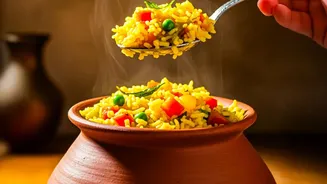
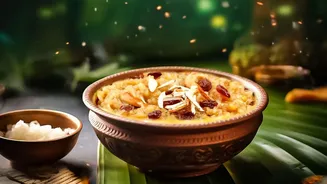
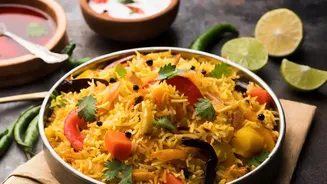
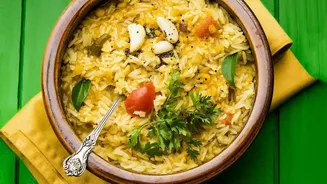
No Durga Puja experience is complete without partaking in bhog, the blessed food offered to the Goddess and then distributed to devotees. At the centre of this communal feast is Bhoger Khichuri, a soul-soothing, one-pot dish of roasted moong dal and fragrant
gobindobhog rice. Cooked without onion or garlic, its flavour is built on ginger, whole spices, and a generous helping of ghee. It’s almost always served with labra, a medley of seasonal vegetables like pumpkin, eggplant, and potatoes, cooked together until they meld into a sweet and savoury side that complements the khichuri perfectly. Eating this simple, sacred meal from a leaf plate in a bustling pandal is a core memory of Pujo for many Bengalis.
2. Luchi and Alur Dom: The Festive Breakfast
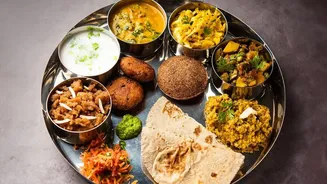
Puffy, golden, and deep-fried, luchi are the quintessential festive bread in any Bengali household. Unlike puris, these are made with maida (refined flour), giving them a distinctively soft texture. During Durga Puja, luchis are the star of leisurely breakfasts and special family meals. Their most classic partner is Alur Dom, a slow-cooked potato curry where baby potatoes are simmered in a thick, tangy gravy spiced with cumin, ginger, and sometimes a hint of tomato. The simple, airy luchi is the perfect vehicle to scoop up the rich, spiced gravy, making it a combination that signals celebration. Another popular pairing for luchi is Cholar Dal, a sweet and savoury dal made from Bengal gram, often studded with coconut pieces.
3. Kathi Roll: The Pandal-Hopping Fuel
As evening descends and the city lights up, Durga Puja becomes synonymous with pandal-hopping. This marathon of visiting different decorative marquees to see the idols requires portable, delicious fuel, and nothing fits the bill better than a Kolkata Kathi Roll. A flaky, fried paratha is wrapped around a choice of filling—be it spiced chicken, mutton, paneer, or simply an egg—along with sliced onions and sauces. Invented in Kolkata, this street food icon is easy to eat on the go, making it the unofficial snack of pandal-hoppers navigating the festive crowds. Grabbing a hot, freshly made roll from a stall near a pandal is an essential part of the nocturnal Puja experience.
4. Kosha Mangsho: The Celebratory Indulgence
While many festive periods in India involve fasting, Durga Puja for many Bengalis is a time for feasting. Kosha Mangsho, a rich, slow-cooked mutton curry, is the pinnacle of this celebratory indulgence. Tender pieces of mutton are cooked in mustard oil with a host of spices over a low flame until the gravy is thick, dark, and clings to the meat. The process is long, but the result is a dish with an incredible depth of flavour. It's often prepared on Navami, the ninth day of the festival, as a special meal. Paired with either fluffy luchis or plain rice, Kosha Mangsho is more than a dish; it's a centerpiece of festive dining at home.
5. Mishti Doi and Sandesh: The Sweet Conclusion
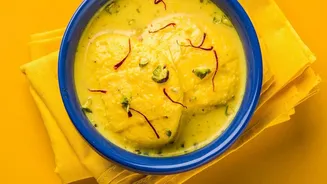
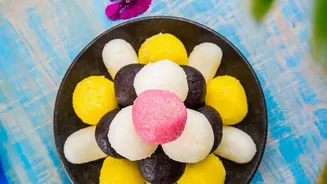
No Bengali celebration can ever conclude without mishti (sweets). During Durga Puja, sweet shops do roaring business, and two items stand out: Mishti Doi and Sandesh. Mishti Doi is a traditional sweetened yoghurt, caramelised to give it a unique brownish colour and earthy flavour, then set in earthenware pots that help absorb excess moisture, making it thick and creamy. It’s a cooling and gentle end to a rich meal. Sandesh, on the other hand, is a delicate sweet made from fresh chhena (cottage cheese). It comes in countless varieties, from the simple ‘makha sandesh’ (mashed) to those filled with liquid jaggery. On Bijoya Dashami, the final day of the festival, offering and sharing sweets like these is a key ritual as people wish each other 'Shubho Bijoya'.