

India’s Land of the Rising Sun
Tucked away near the tri-junction of India, China, and Myanmar, Dong Valley holds a special place on the map. At an elevation of 1,240 metres, its high ridges catch the day's first light, a fact that was officially verified in 1999. This distinction brought
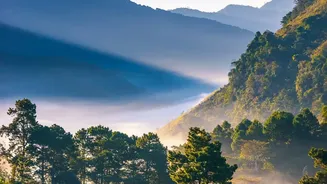
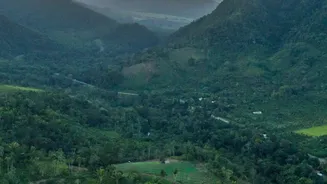
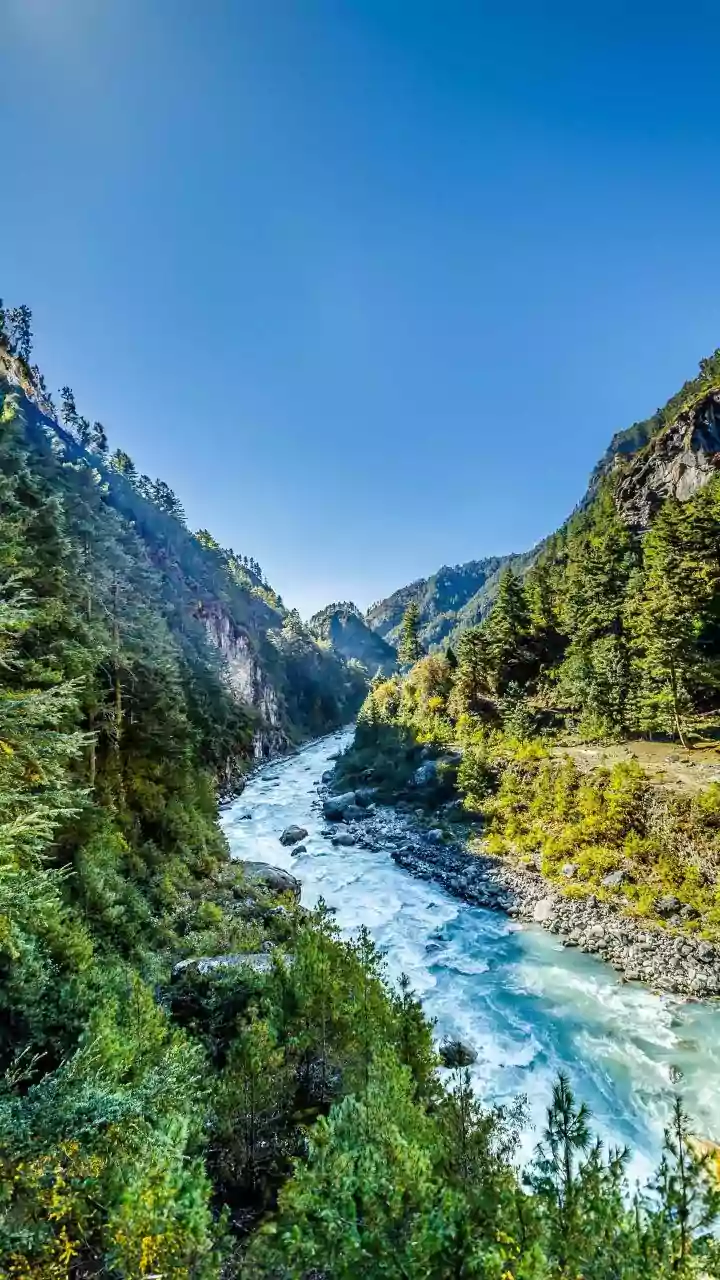
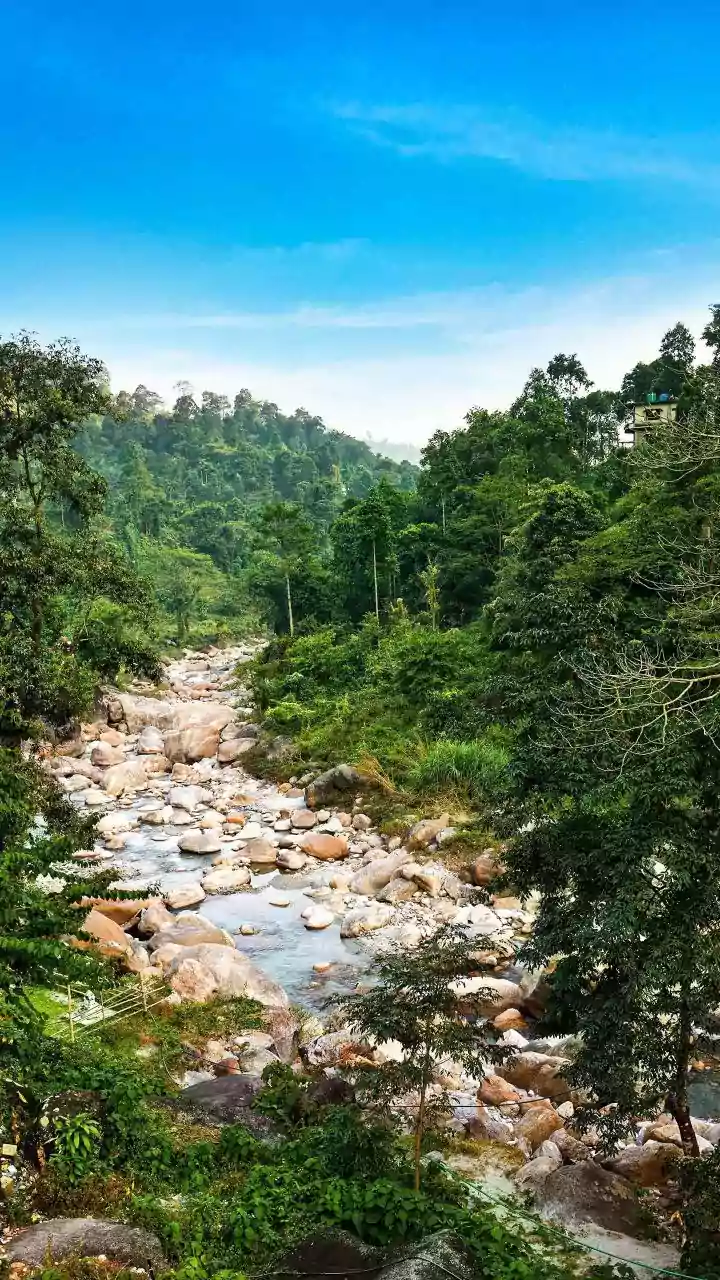
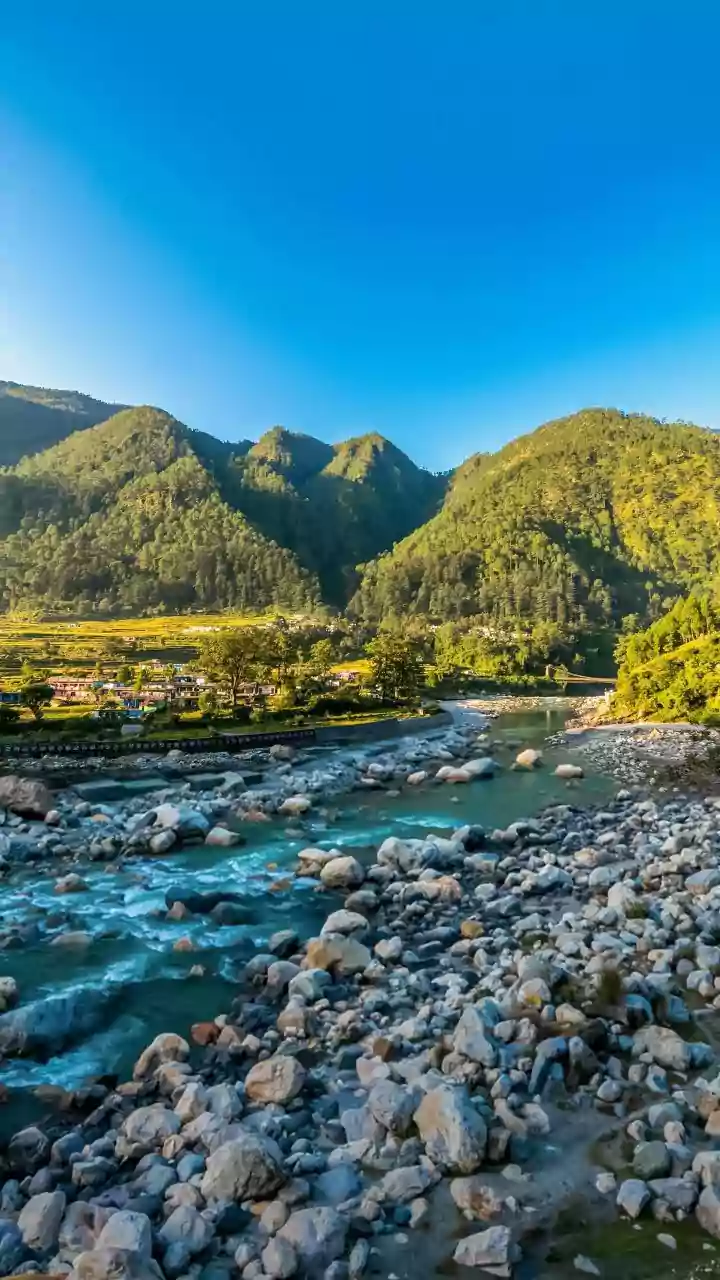
the remote valley into the national spotlight, especially when thousands gathered to witness the first sunrise of the new millennium on January 1, 2000. Inhabited by the Meyor tribe, the valley is a serene landscape of pine forests, rolling hills, and the beautiful confluence of the Lohit and Sati rivers. The experience is not just about the view; it's about being in one of India's most remote, pristine, and culturally rich corners.
Planning Your Journey to the Starting Line
Reaching Dong Valley is an adventure in itself. The journey begins with travel to eastern Arunachal Pradesh. The nearest major airport is in Dibrugarh, Assam, from where a multi-day road trip is necessary. The typical route involves driving to Walong in the Anjaw district, which serves as the base for the trek. This drive, often along the scenic but challenging roads bordering the Lohit River, can take up to two days. It is crucial to plan for accommodation in Walong, which offers a few homestays and a Circuit House. Most importantly, all non-native visitors must secure an Inner Line Permit (ILP) to enter Arunachal Pradesh, which can be applied for online. For the specific border zone of Anjaw, an additional Protected Area Permit (PAP) may be required, which is often best arranged through a local tour operator.
The Pre-Dawn Trek
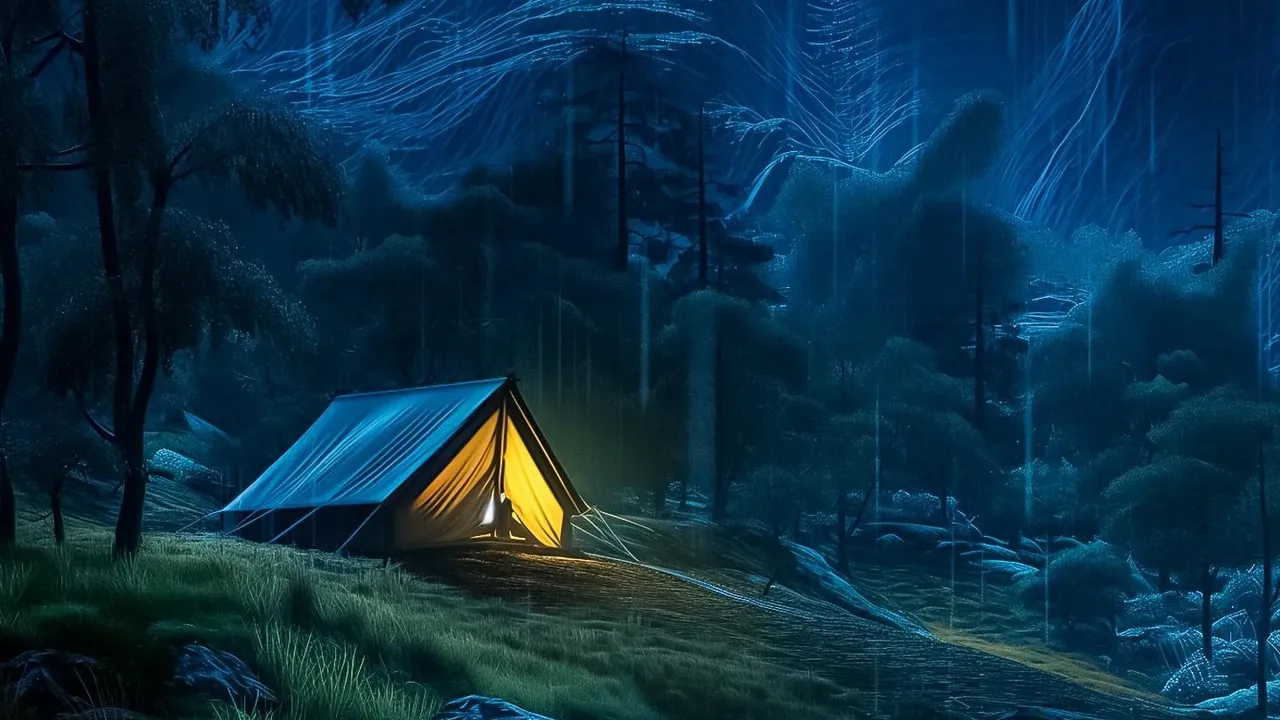
The trek to the sunrise viewpoint is a defining part of the Dong Valley experience, and it starts in the dead of night. To catch the sunrise, which can happen as early as 4:00 AM in summer, trekkers must start from the trailhead around 2:00 AM. The trek begins from Tilam, a small hamlet near Walong, after crossing a suspension bridge over the Lohit River. The hike itself is a short but steep 8-kilometre climb through fragrant pine forests. The trail can be moderately challenging, especially in the dark, making a headlamp or torch essential. Local guides from the Meyor community are mandatory and invaluable, not only for navigating the path safely but also for sharing stories and ensuring you reach the summit in time. The ascent, which takes about 90 minutes to two hours, is a surreal experience filled with the sounds of nature in the quiet of the night.
The Reward at the Summit
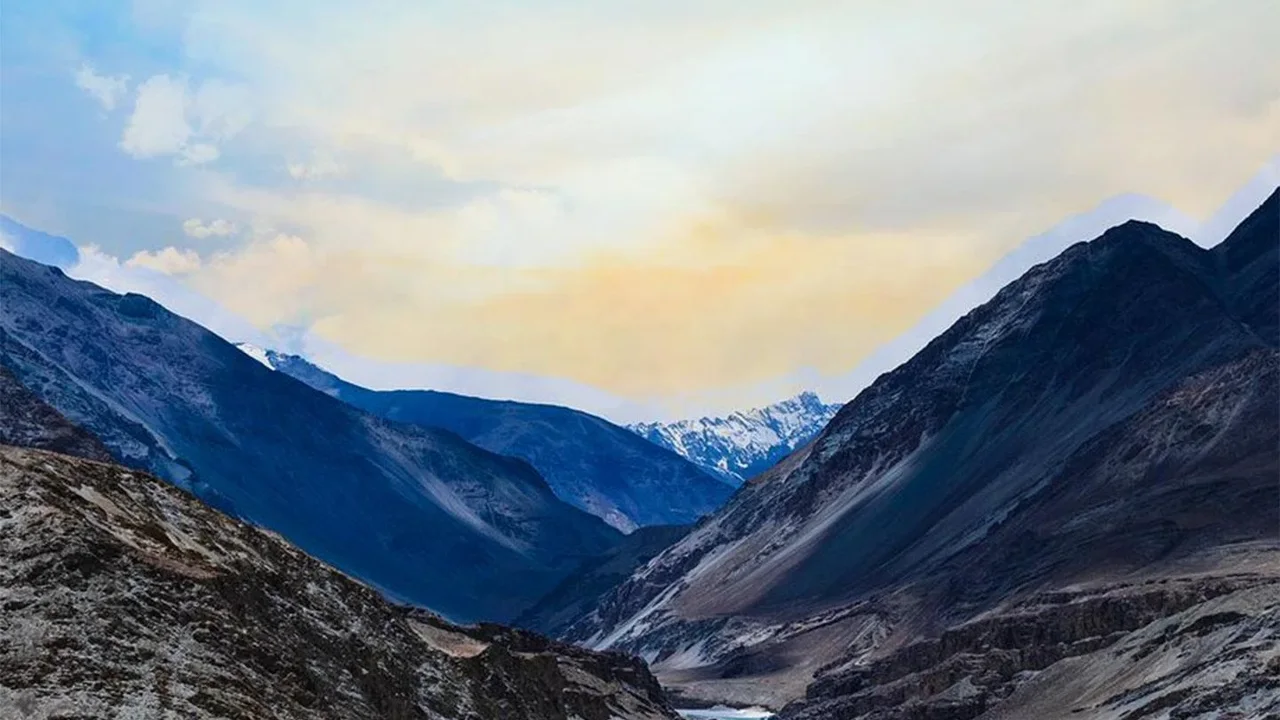
After the brisk, dark climb, the reward is a moment of pure magic. From the viewpoint, you get to watch as the first rays of sunlight crest over the distant mountains, slowly spilling colour into the sky. The deep blue transitions into vibrant shades of orange and pink, illuminating the lush green hills and the valley below. The sight of the sun's golden rays reflecting off the snow-capped peaks and lighting up the confluence of rivers is an unforgettable spectacle. While you wait for the main event, the chilly wind at the top is often countered by a small fire lit by the guides, adding to the communal and rustic feel of the experience. It is this combination of physical effort and profound natural beauty that makes the Dong Valley sunrise so special.
Essential Tips for Your Trip
To make the most of your Dong Valley adventure, preparation is key. The best time to visit is from October to April, when the skies are generally clear and the weather is favourable for trekking. Pack warm layers, as the pre-dawn trek and the summit can be very cold, even in summer. Sturdy trekking shoes, a reliable torch or headlamp, and a camera are must-haves. It's also wise to carry snacks and a flask of hot tea or water. Since there are no ATMs in Walong, carrying sufficient cash is crucial for paying guides, homestays, and other local expenses. Finally, respect the local culture and environment; this remote paradise thrives on its pristine nature and the hospitality of its people.