



The Expanding Indian Pantry
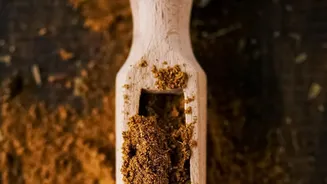
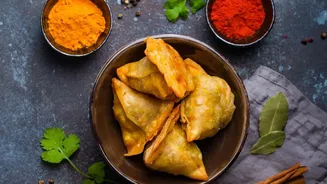
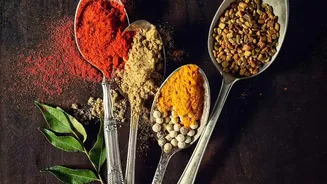
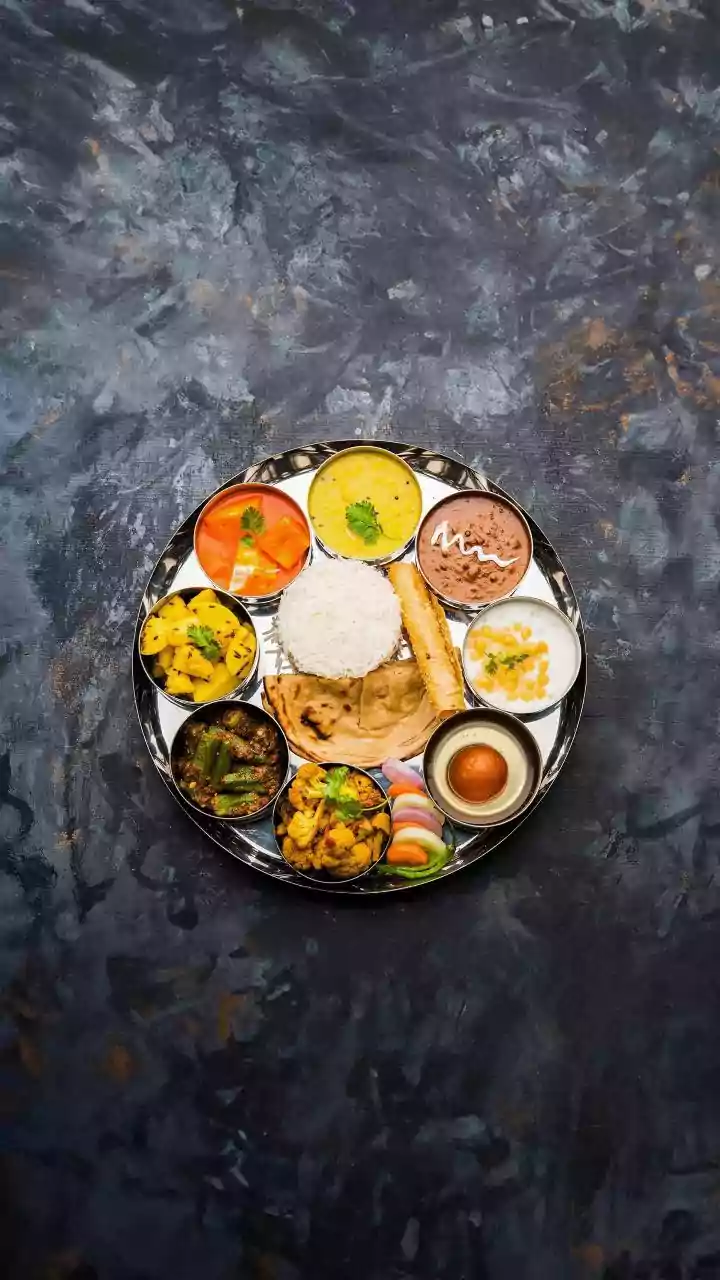
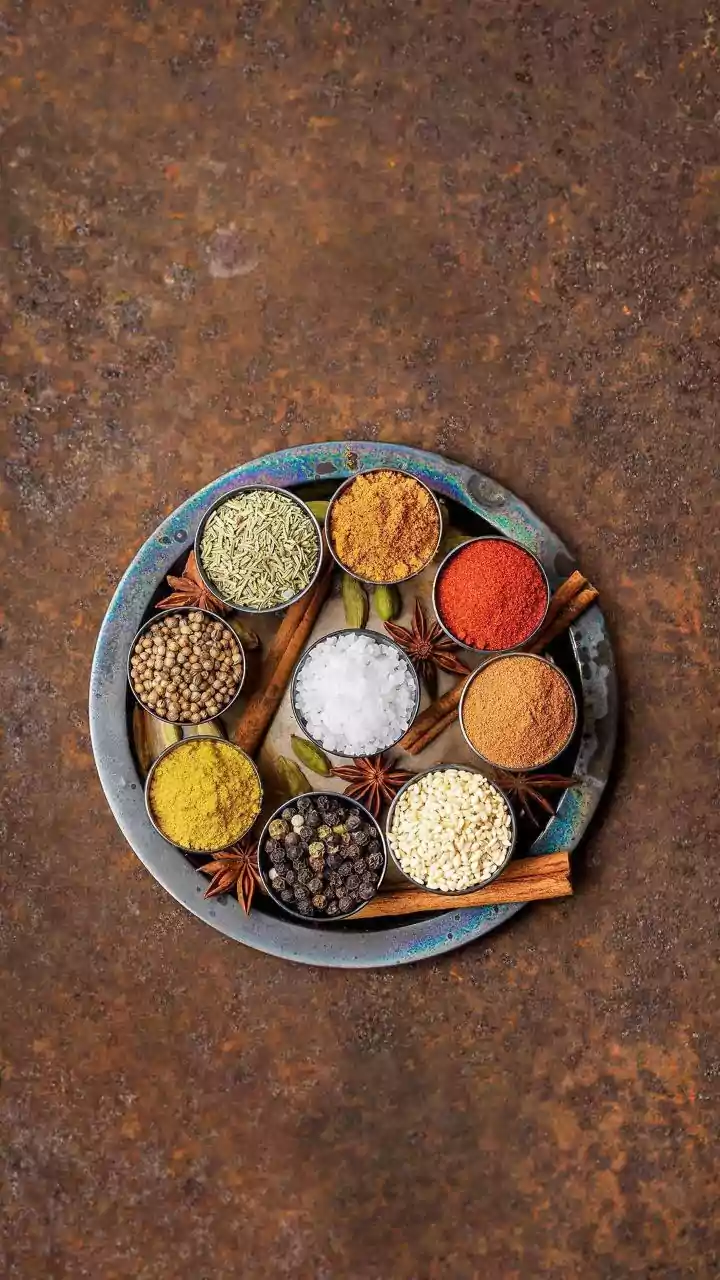
For generations, the Indian pantry has been a testament to the country's rich culinary heritage. The core ingredients—turmeric, cumin, coriander, mustard seeds, and a host of regional masalas—have formed the flavour foundation of countless dishes. But
a quiet, delicious evolution is underway. Driven by global travel, internet food trends, and a growing culinary curiosity, a new set of ingredients is finding a permanent home in Indian homes. Items that were once considered 'exotic,' like extra virgin olive oil, various kinds of pasta, and soy sauce, are now commonplace. This isn't about replacing the old with the new. Instead, it’s an expansion, a broadening of the culinary toolkit available to the everyday home cook.
Meet the New Flavour Makers
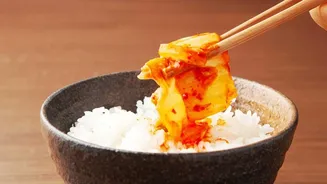
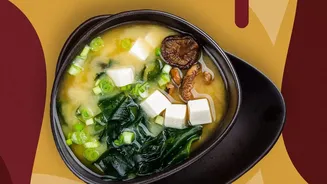
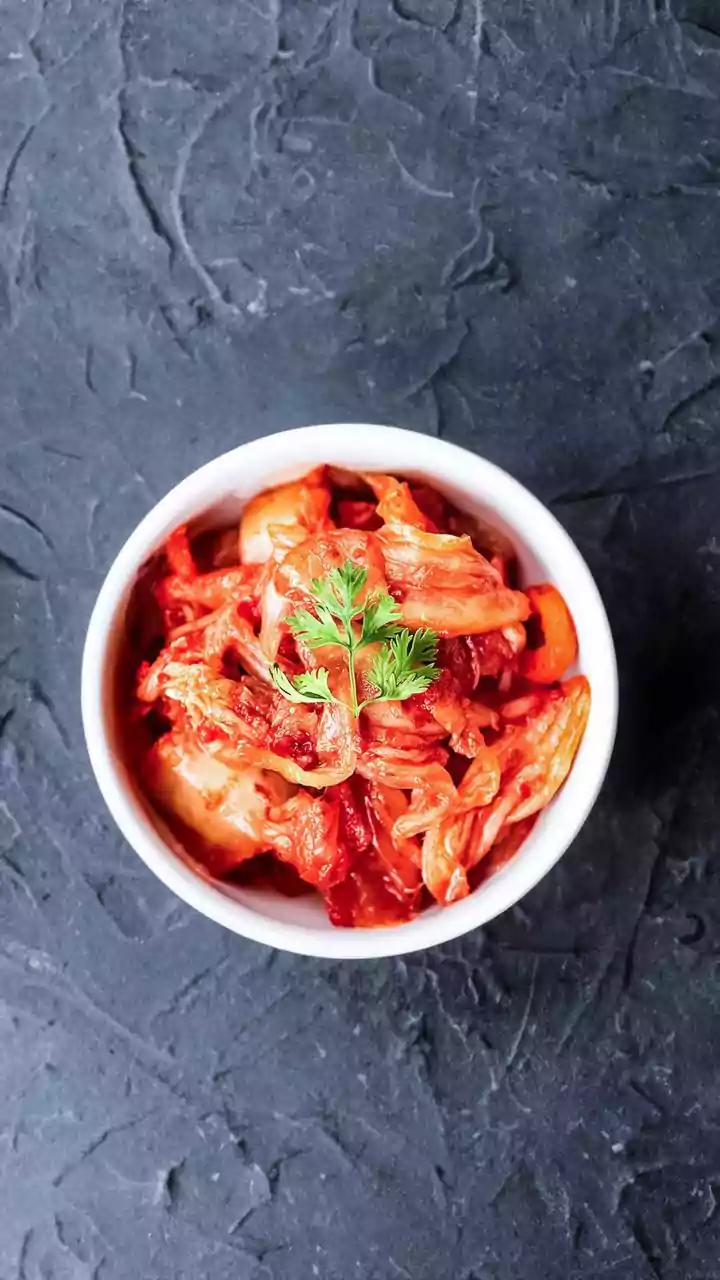
Beyond the now-familiar staples, a more adventurous wave of ingredients is making its mark. Korean gochujang, a fermented red chilli paste, is being used to add a spicy, sweet, and savoury depth to everything from marinades to curries. Its complex umami flavour profile complements the boldness of Indian spices without overpowering them. Similarly, Japanese miso, a fermented soybean paste, is being stirred into dals and even chutneys, lending a salty, earthy richness that enhances traditional recipes. Home cooks and chefs are discovering that these fermented products, much like India's own tradition of pickles and fermented batters, can add a new dimension of flavour that feels both novel and strangely familiar.
A Fusion of Flavour, Not Confusion
This trend isn't about creating confusing fusion dishes for the sake of novelty. It’s about flavour logic. The 'swicy' (sweet and spicy) trend, for instance, has found a natural home in India, where the palate has long appreciated the interplay of contrasting tastes. Global ingredients are being adopted because they work. A splash of soy sauce in a keema dish can amplify its savoury notes, while a drizzle of high-quality olive oil over a finished dal can add a fruity, peppery finish. Chefs at the forefront of modern Indian cuisine have embraced this philosophy, using global ingredients and techniques to present Indian flavours with pride and creativity. The goal, as many chefs note, isn't to change Indian food but to present it in new, exciting ways that resonate with a globalised world.
The Confident and Curious Cook
This culinary expansion is a sign of a new confidence in the Indian kitchen. There's less focus on rigidly recreating 'authentic' foreign dishes and more interest in adapting global ingredients to a distinctly Indian palate. An Indian cook might make a 'pasta' but flavour the sauce with garam masala and ginger-garlic paste. They might use Korean bulgogi sauce to marinate paneer before grilling it. This creative adaptation shows a deep understanding of flavour and a willingness to experiment. It reflects a generation that is globally connected but still deeply rooted in its own culinary traditions. The result is a vibrant, personal, and ever-evolving style of cooking that is uniquely Indian.