


The Core Challenge of Solo Cooking
Cooking for a single person presents a unique set of frustrations. Most recipes are designed to serve four or more, and grocery stores often package items in family-sized quantities. This mismatch leads to common problems: either you eat the same meal
for days on end, or fresh ingredients wilt in the fridge before you can use them. This can make cooking feel inefficient and discouraging, pushing many towards expensive and less healthy takeaway options. Single-person households often waste significantly more food per person simply because of these structural issues. The key to overcoming this is to shift your strategy from simply scaling down family recipes to building a flexible system based on smart planning, versatile ingredients, and efficient storage.
Plan a Menu, Not Just a Meal
A little forethought is your greatest weapon against waste and decision fatigue. Instead of deciding what to eat each night, take a few minutes once a week to sketch out a loose plan. This doesn't need to be a rigid schedule. Simply list a few breakfast, lunch, and dinner options you'd enjoy. Check your pantry and fridge first, and plan meals around ingredients you already have that need to be used. Then, build a grocery list based on what’s on sale and what you need to complete those meals. This simple act of planning prevents impulse buys and ensures every item you purchase has a purpose. The goal is to create a flexible framework that guides your shopping and relieves the daily mental load of figuring out what to cook.
The Shared Ingredient Strategy
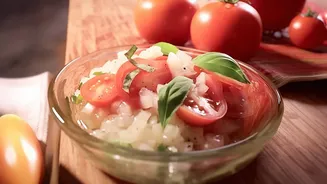
The most effective way to cook for one is to build your weekly menu around a few versatile, shared ingredients. Think of them as your building blocks. For an Indian kitchen, this might mean basing several distinct meals on a foundation of onions, tomatoes, ginger, and garlic. One day, they can form the base of a simple tomato dal. The next, they can be used in a paneer or chicken stir-fry. A bag of spinach can be used in palak paneer, added to omelettes, or blended into a smoothie. By selecting ingredients that can play multiple roles, you ensure you use everything you buy. This approach encourages creativity and variety without requiring a dozen different shopping lists. You’re not just buying ingredients for one recipe; you're stocking your kitchen for a week of diverse meals.
Make Your Freezer Your Best Friend
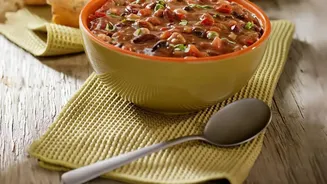
The freezer is the solo cook’s secret weapon for saving time and preventing waste. Don't be afraid to make a full recipe that serves four or six; this is called batch cooking. Instead of eating it all week, immediately portion the extras into single servings and freeze them. Soups, dals, curries, cooked rice, and even parathas freeze exceptionally well. Invest in good quality single-portion containers—small glass jars or freezer-safe boxes are perfect. You can also freeze components. For instance, if a recipe calls for half an onion, chop the whole thing and freeze the rest for later use. Many vegetables like carrots, green beans, and broccoli can also be blanched and frozen. This creates a personal library of ready-to-heat meal components, giving you quick options on busy nights.
Smart Shopping for a Small Household
Navigating a grocery store designed for families requires a different approach. Whenever possible, buy loose produce so you can select the exact quantity you need—one carrot instead of a whole bag, for example. Don't shy away from the frozen aisle for things like peas, corn, or fruit; they are just as nutritious and you can use only what you need, eliminating waste. Buying pantry staples like lentils, rice, and spices from bulk bins, if available, also allows you to get smaller quantities. When it comes to fresh meat or paneer, ask the butcher or at the counter for smaller portions or freeze what you won't use immediately. This mindful approach to shopping directly combats the problem of over-buying and ensures your fridge isn’t overflowing with food you can't finish.