




A Tale of Two Sizes
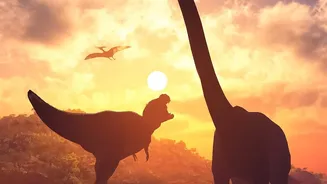
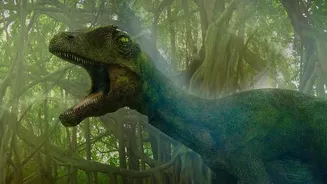
For millions of years, dinosaurs ruled the Earth, evolving into the largest land animals in history. But for all their colossal success, one mystery has long puzzled paleontologists: where were all the tiny dinosaurs? While modern ecosystems are dominated
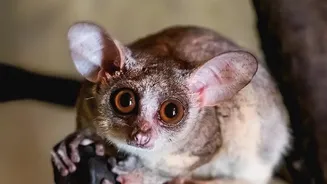
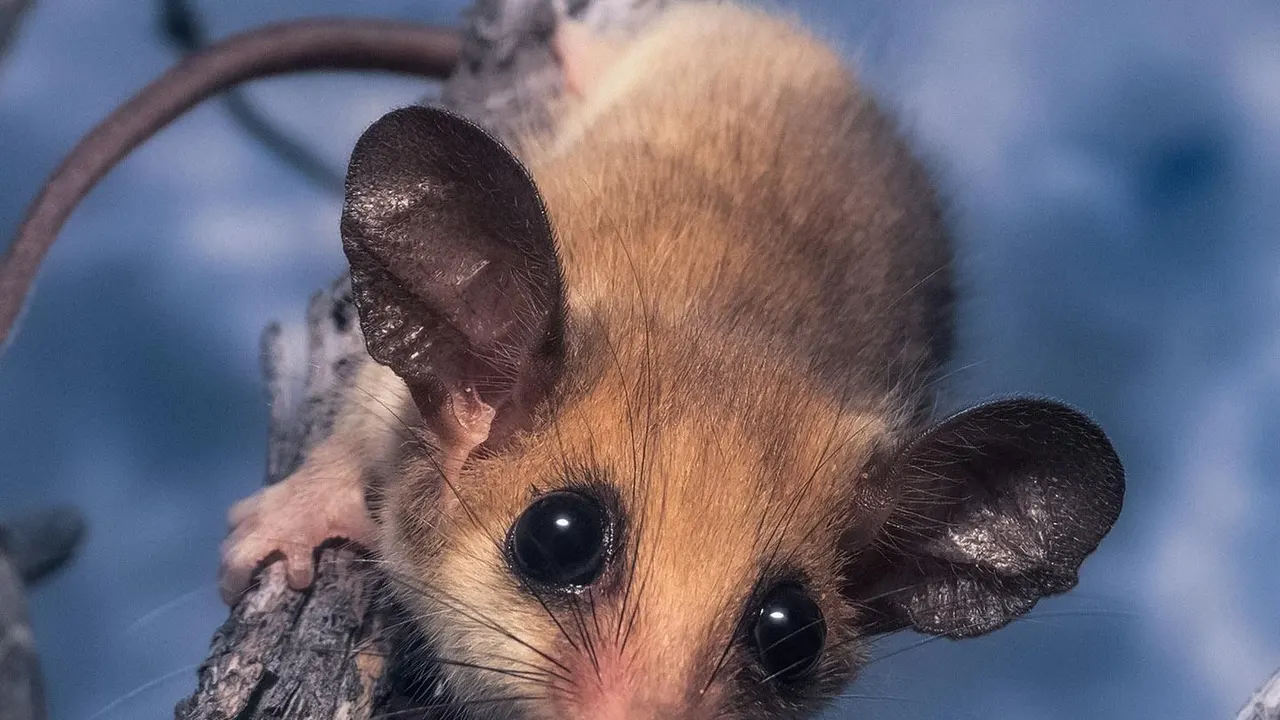
by small creatures, from mice to sparrows, the smallest known non-avian dinosaurs were still the size of rabbits. A new wave of research suggests the answer lies not with the dinosaurs themselves, but with their furry contemporaries. It appears that while giant dinosaurs kept mammals from getting big, our tiny mammal ancestors may have been so good at being small that they prevented dinosaurs from ever evolving into mouse-sized forms.
The Small-Creature Economy
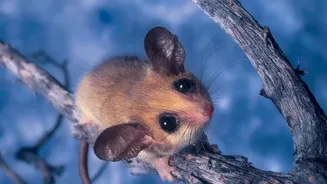
In any ecosystem, there's a finite amount of space and resources, creating what ecologists call niches. For much of the Mesozoic Era, the 'Age of Dinosaurs', it was thought that mammals lived in the shadows, eking out a living as small, nocturnal insect-eaters to avoid becoming a T-Rex's snack. While true that dinosaurs occupied the large-animal roles, new studies published in journals like Evolution suggest that early mammals were cornering the market on the small-animal niches. By being exceptionally good at finding tiny insects, seeds, and shelter, these shrew-sized mammals created intense competition at the smallest scale. Mathematical models show that while biology could have supported tiny dinosaurs, the ecological reality was that those jobs were already taken.
Flipping the Competitive Script
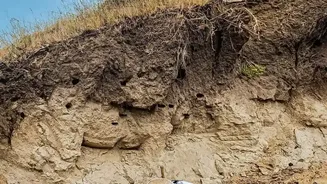
The classic story is one of dinosaur dominance and mammalian suppression. However, recent analysis complicates this picture. One surprising line of evidence comes from what isn't in the fossil record. Fossil sites in China and Mongolia, known for their exceptional preservation of small animals, have yielded numerous tiny mammal and lizard fossils but a complete absence of dinosaurs below a certain size threshold. If mouse-sized dinosaurs existed, this is where we'd expect to find them. Their absence implies they were either extremely rare or non-existent, pushed out of the ecosystem by superior competitors. Further research suggests that the main competitors holding back the ancestors of modern mammals might not have been dinosaurs at all, but other, now-extinct mammal groups that were also vying for those same precious resources.
The Strategy of Staying Small
For our distant ancestors, being small was a revolutionary strategy. It meant they needed fewer resources, could reproduce faster, and could hide from the larger dangers roaming the landscape. This miniaturization was crucial. Studies have shown that getting smaller allowed for key evolutionary innovations in the mammalian jaw and ear, laying the groundwork for the diverse forms we see today. While dinosaurs experimented with gigantism, mammals specialized in the opposite, carving out a successful existence below the feet of the giants. They weren't just passively surviving; they were actively owning their niche in a way that shaped the entire ecosystem. This pressure from below may have been a key reason why, when the asteroid hit 66 million years ago, mammals were so well-positioned to take over.
A New Picture of an Ancient World
This evolving understanding paints a richer and more dynamic picture of the world before the asteroid impact. It was not simply a world of big dinosaurs and scared little mammals. Instead, it was a complex web of competition across all size levels. Giant dinosaurs competed with each other. Mid-sized predators created their own pressures. And at the bottom, a fierce battle was being waged for the niches of the undergrowth, where mammals proved to be the champions. The 'tiny-dinosaur study' is therefore actually a mammal story. It provides a clearer view of the pressures and opportunities that shaped our own deep history, showing that our earliest relatives were not just survivors, but savvy competitors who held their own in a world of giants.