

The Southern Icon: Medu Vada
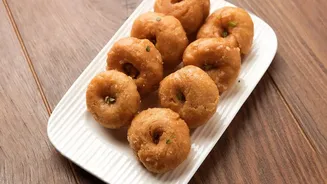
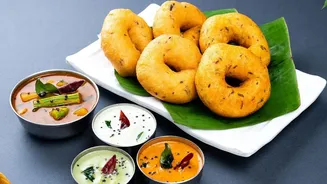
Arguably the most recognizable of the trio, the Medu Vada is a South Indian superstar. Its name, where "Medu" means soft in Kannada and Tamil, perfectly describes its delightful texture: a beautifully crisp, golden-brown exterior that gives way to a cloud-like,
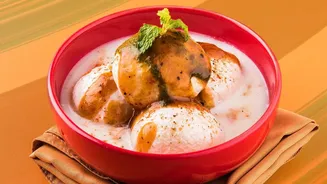
fluffy interior. This iconic doughnut shape isn't just for show; it helps the vada cook evenly. The batter is made from soaked and ground urad dal (black gram lentils), delicately spiced with hints of black pepper, ginger, and curry leaves. A staple across Tamil Nadu, Karnataka, and Kerala, the Medu Vada is the quintessential breakfast accompaniment. It's most traditionally served immersed in a bowl of hot, tangy sambar and with a side of fresh coconut chutney, creating a perfect balance of flavours and textures. While a breakfast hero, it is also a beloved all-day snack.
The Comfort Classic: Batata Vada
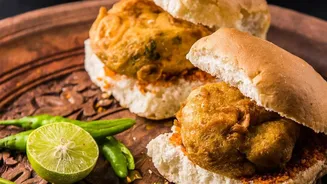
Travel west to Maharashtra, and you'll find a completely different, yet equally beloved, interpretation of the vada. Here, the Batata Vada reigns supreme. "Batata" is the Marathi word for potato, which is the heart of this dish. A flavourful, spiced mashed potato filling—often seasoned with mustard seeds, turmeric, ginger, and green chillies—is rolled into a ball, dipped in a thick gram flour (besan) batter, and deep-fried to a golden hue. Unlike the airy Medu Vada, the Batata Vada is dense and comforting, with a soft interior and a substantial, savoury coating. While it can be eaten on its own with chutneys, its most iconic form is as the star of Vada Pav, Mumbai's signature street food. Tucked into a soft bread roll, or 'pav', often with dry garlic chutney and green chilli chutney, it transforms from a simple snack into a satisfying and affordable meal, enjoyed by Mumbaikars from dawn till dusk.
The Crunchy Contender: Masala Vada
Returning to the south, but with a completely different textural experience, is the Masala Vada, also known as Paruppu Vadai. If Medu Vada is soft and pillowy, Masala Vada is its rustic, crunchy cousin. The base for this fritter is chana dal (split chickpeas), which are soaked and ground into a coarse paste, leaving some whole lentils intact. This coarse mixture, combined with finely chopped onions, fennel seeds, curry leaves, and chillies, is what gives the final product its signature rugged texture and robust, spicy flavour. Instead of a doughnut shape, it's formed into rough, slightly flattened discs before frying. This results in an irresistibly crunchy and flavour-packed bite. While extremely popular as an evening tea-time snack, perfectly paired with a hot cup of chai, it also holds its own on a breakfast plate, typically served with just a simple coconut chutney that complements its bold spices.