

The Science Behind the Spice
What gives a radish its characteristic peppery zing? It's not the same compound that lends heat to chillies. The sharp flavour comes from chemical compounds, primarily glucosinolates and an enzyme called myrosinase. When you slice, bite, or chew a radish,
you break down its cell walls, allowing these two components to mix and form allyl isothiocyanates. This is the very same compound responsible for the pungent kick found in mustard, wasabi, and horseradish. This natural process provides a bright, pungent flavour that can cut through richness and awaken the palate, all without adding sodium or other processed ingredients.
A Radish for Every Palate
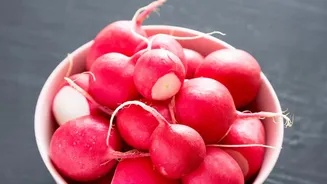
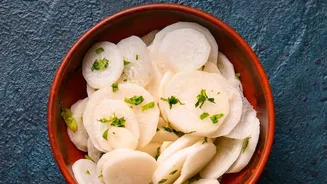
Not all radishes are created equal in their spiciness. The variety you choose will have a significant impact on the flavour profile of your dish. Classic red globe radishes, like the Cherry Belle, offer a familiar, moderately peppery taste. For a milder experience, look for French Breakfast radishes, which are oblong with a gentler flavour, or the colourful Easter Egg varieties. On the other end of the spectrum is the Black Spanish radish, which has a potent, sharp bite under its dark skin. The large, white Daikon radish, common in Asian cuisine, is typically milder and slightly sweet, making it versatile for both raw and cooked applications. Experimenting with different types will help you find the perfect level of sharpness for your cooking.
Preparation Unlocks Flavour
How you prepare a radish can either tame or enhance its natural heat. Since the spicy compounds are often concentrated near the skin, peeling the radish can significantly mellow its flavour. Slicing radishes thinly and letting them sit in ice water for about an hour can also tone down the sharpness. Conversely, for a more intense kick, use them raw and freshly sliced. Pickling is another excellent method; a simple brine of vinegar, water, and salt transforms radishes into a tangy, crunchy condiment that can last for weeks. Even roasting can change the game entirely; cooking radishes mellows their bite and brings out a subtle sweetness, making them a delicious side dish.
Beyond the Salad Bowl
While excellent in salads, radishes can bring their unique sharpness to a wide range of dishes. Finely sliced or julienned radishes are a classic topping for street tacos, providing a crunchy, spicy contrast to rich meats and creamy sauces. Try adding thin slices to your sandwiches and wraps for a peppery crunch that can stand in for mustard. They can also be grated into a radish salsa, combined with garlic, jalapeño, and lime for a fresh and zesty topping. You can even add them to soups or stir-fries. Their ability to absorb marinades while retaining a firm texture makes them an incredibly versatile ingredient for adding a layer of complexity to everyday meals.
A Healthy and Flavourful Choice
Beyond their flavour-enhancing properties, radishes are a nutritional powerhouse. They are low in calories but rich in essential nutrients like vitamin C, potassium, and folate. Vitamin C is a powerful antioxidant that supports the immune system, while the dietary fibre in radishes aids in digestion and helps you feel full longer. By using radishes to season your food, you are not only adding a burst of fresh flavour but also incorporating more vitamins and minerals into your diet, making it a win-win for your taste buds and your health.