
A Journey Through Time on Horseback
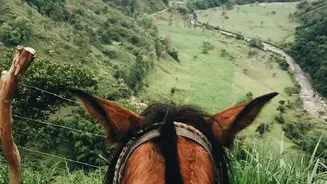
Portugal offers a unique way to connect with its past: from the saddle of a horse. This approach to travel slows down the pace, allowing for a deeper immersion into a landscape dotted with history. The Alentejo region, in particular, is a prime destination
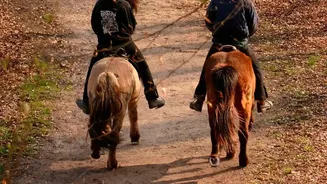
for this kind of adventure. Known for its vast, rolling plains, ancient olive trees, and fortified hilltop towns, Alentejo feels like a land suspended in time. Exploring it on horseback is not just a novelty; it’s a nod to how people traversed these lands for centuries, long before modern transport. Riding along old smugglers' routes or Roman roads, you get a tangible sense of the history underfoot.
Meet Your Steed: The Noble Lusitano
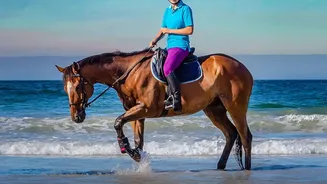
The experience is made all the more authentic by the horses themselves. Many riding tours feature the Lusitano, Portugal's native breed. Renowned for their intelligence, willing nature, and comfortable gaits, these horses are descendants of the Iberian warhorses of antiquity. The breed has been refined over centuries, closely tied to the royal courts and classical dressage. Riding a Lusitano connects you directly to Portugal's equestrian heritage. Several tours even incorporate visits to famous stud farms, like the Alter Real Stud, founded in 1748, where you can see hundreds of mares and foals in vast pastures.
Trails Leading to Medieval Marvels
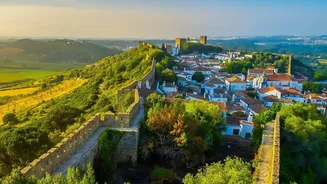
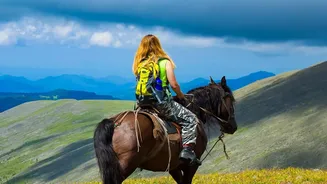
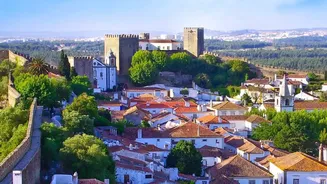
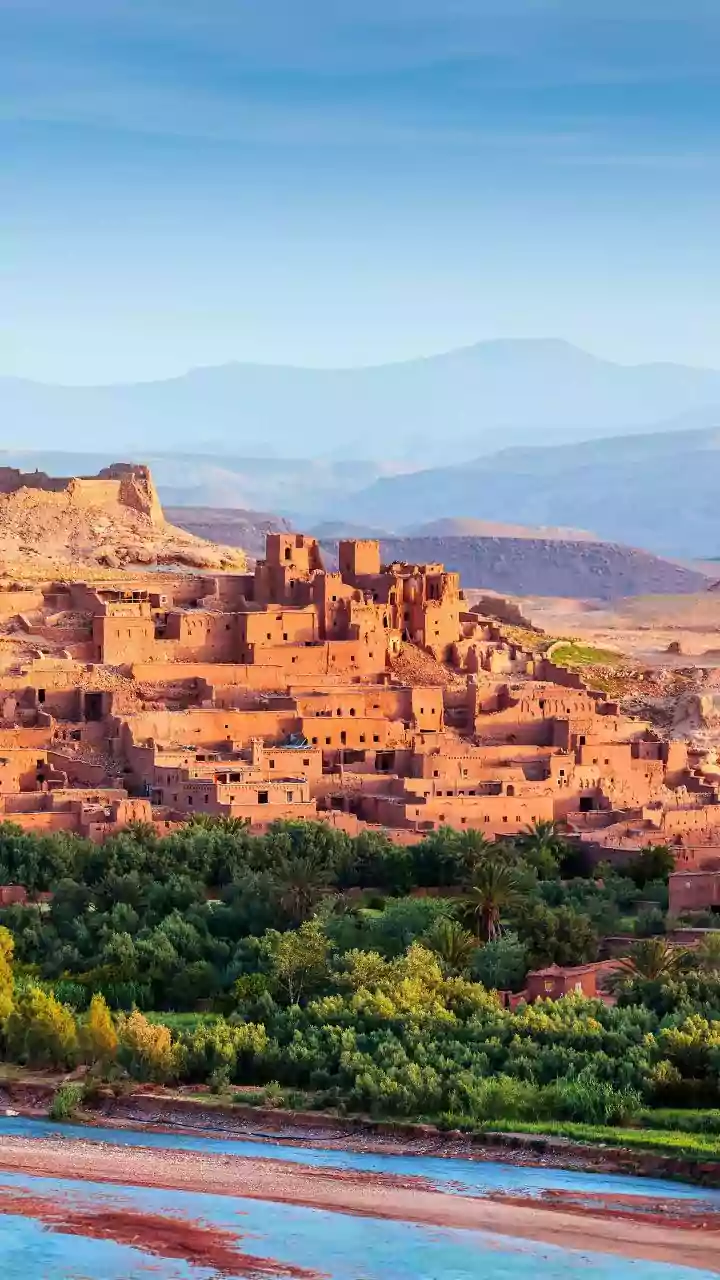
The trails themselves are as varied as the history they uncover. You might find yourself cantering across open meadows, navigating shady cork forests, or following winding paths up to a dramatic hilltop castle. One of the most breathtaking destinations is the medieval village of Marvão. Perched on a craggy escarpment near the Spanish border, its 13th-century walls encircle a perfectly preserved cluster of whitewashed houses. Another iconic sight is Monsaraz, a fortified village overlooking the vast Alqueva Lake, where you can ride right up to the castle walls for panoramic views. These are not just ruins but living villages where time seems to have stopped, accessible through the same narrow archways knights once passed through.
From Roman Ruins to Knights' Castles
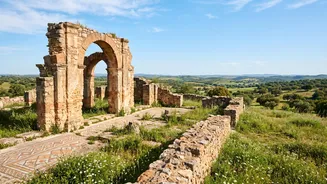
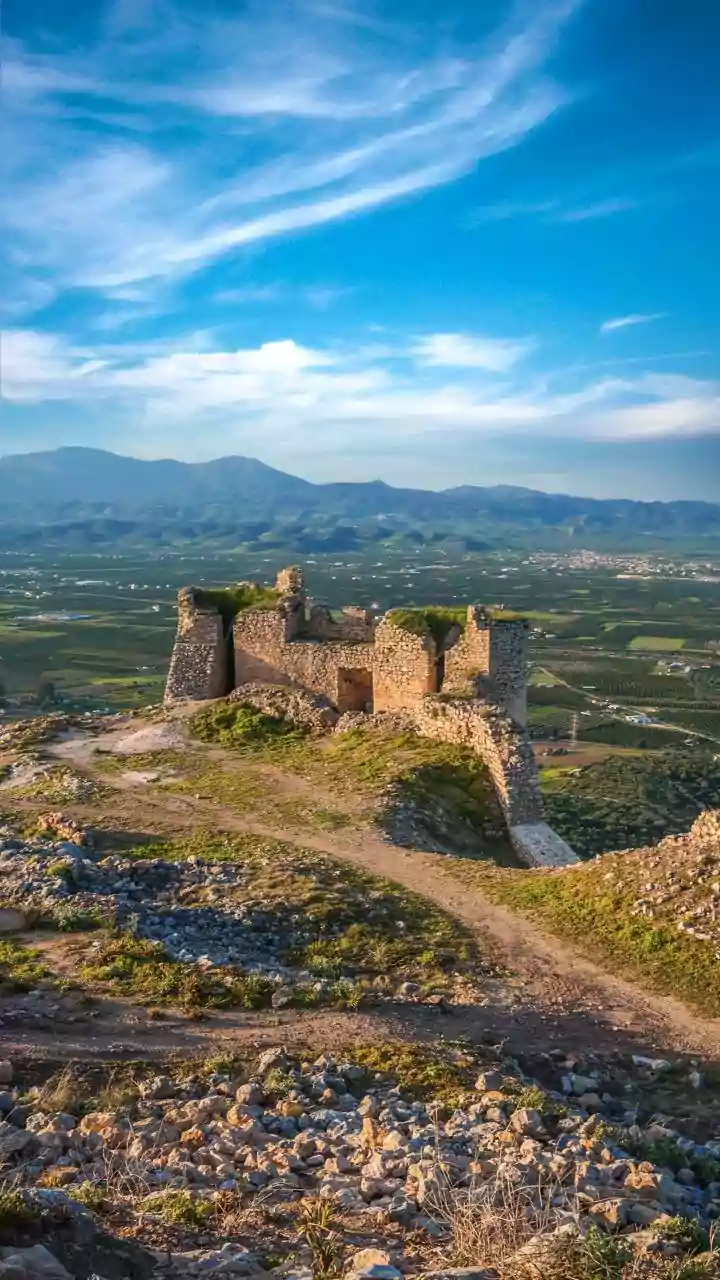
The architectural timeline you can explore on horseback is immense. Some routes lead past neolithic tombs, known as dolmens, that are over 6,000 years old. Others take you to the recently discovered ruins of the Roman city of Ammaia. The medieval period is, however, the most prominent. You can explore the ruins of Romanesque castles dating back to the 9th century, like Castelo de Castro Laboreiro, or ride to the impressive fortifications of Elvas, a UNESCO World Heritage site. Many itineraries also include towns like Castelo de Vide, renowned for its well-preserved Jewish quarter and medieval architecture. Each stop offers a different chapter of Portuguese history, from its Roman foundations to its feudal past.
Planning Your Equestrian Adventure
Equestrian holidays in Portugal cater to a range of skill levels, from beginners who want a gentle introduction to experienced riders looking for long days in the saddle with spirited canters. Tours are typically point-to-point, with luggage transferred between charming accommodations that can range from restored farmhouses, known as 'quintas', to historic manor houses. Most trips last for several days, allowing for a full immersion into the region's culture and landscape. Packages generally include the horse, a guide, accommodation, and meals, which often feature delicious local cuisine and wine. The best times to go are typically in the spring, when the fields are full of wildflowers, and autumn, when the temperatures are mild and pleasant for riding.