


Feel that? A creeping exhaustion at the thought of another loud, crowded festival. For a growing number of travellers, the answer isn’t louder bass drops, but deeper breaths. Enter 'Quietchella,' the unofficial name for a new kind of escape.
What Exactly Is Quietchella?
Don't look
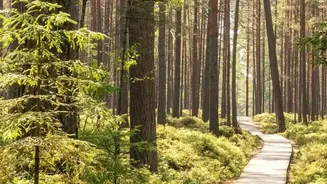
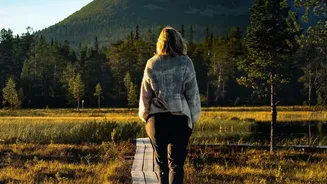
for it on a map. 'Quietchella' isn't a single event but a concept—a backlash against the hyper-commercialised, sensory-overload experience of mega-festivals. It’s a term for gatherings where the main headliner is nature itself. Think less about frantic stage-hopping and more about mindful moments. The idea gained significant traction recently with Finland's 'Hiljaa Fest', or 'Quietly Fest', which was quickly nicknamed 'Quietchella' by international media. Held in the Valkmusa National Park, its official lineup featured performers like 'the wind' and 'the bog moss'. This perfectly captures the spirit of the movement: trading manufactured entertainment for the profound, simple soundtrack of the natural world. It’s the festival for people who have graduated from the mosh pit to the mossy trail.
The Growing Appeal of Silence
The desire for quiet isn't just about avoiding noise; it's about seeking restoration. In an always-on world of notifications and endless scrolling, the demand for 'calmcations' and 'silent travel' is surging. Travellers are increasingly looking for authentic experiences that offer a genuine escape from the pressures of modern life. It's a response to collective burnout. The trend is about creating space to slow down, disconnect from digital demands, and reconnect with oneself. The benefits are tangible, with silence and nature exposure linked to lower blood pressure, improved sleep, and calmed racing thoughts. It’s not about doing nothing, but about being present and finding peace in stillness, whether that's watching a sunrise over a mountain or just listening to the waves on a quiet beach.
When Nature Is the Main Stage
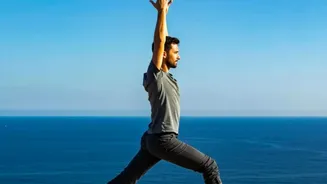
So, what happens at a Quietchella-style event when there are no celebrity headliners? The focus shifts to immersive, grounding activities. Instead of a schedule packed with back-to-back music sets, the itinerary might include guided nature walks, forest bathing (shinrin-yoku), stargazing, and wild swimming. In India, this trend is taking shape through holistic wellness festivals. Events like the Himalayan Wellness Festival and the Global Swasthyam festival in Pune blend yoga, meditation, breathwork, and sound healing with the restorative power of nature. These gatherings feature expert talks on mindful living and offer activities like drum circles and art therapy, creating a sense of community through shared, peaceful experiences. The goal is to leave feeling restored, not drained.
Finding Your Own Quiet Festival
While Finland's Hiljaa Fest is a literal interpretation, you don't need to fly across the world to find your own version of Quietchella. This movement is more about an ethos than a brand. You can find it in secluded nature resorts, silent retreats, and dedicated wellness gatherings. When searching, look for terms like 'nature immersion', 'silent retreat', 'wellness festival', or 'holistic health gathering'. India has a rich landscape of such experiences, from the Global Wellness Festival in Rishikesh, which unites ancient healing wisdom with modern science, to the Festival of Joy, a large-scale wellbeing conference. These events prove that a 'festival' can be a space for deep personal transformation and community, even without a deafening sound system. It's about finding a gathering that aligns with a desire for peace, presence, and a deeper connection to the world around you.