


What Exactly Is This Green Drink?
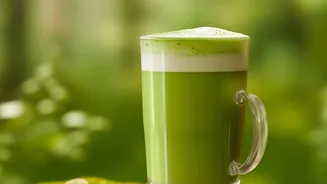
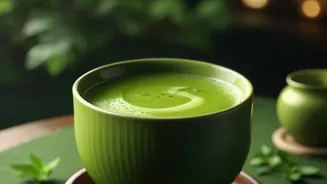
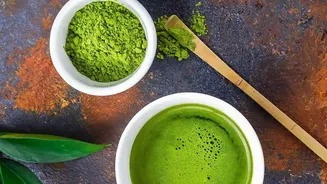
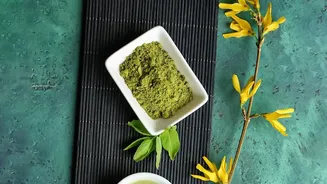
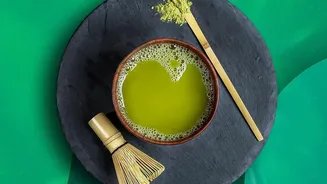
Walk into any trendy cafe in Delhi or Mumbai, and you're likely to see it: a vividly green, frothy drink being served hot or iced. This is matcha. But it’s not just another type of green tea. Matcha is a fine powder made from specially grown and processed
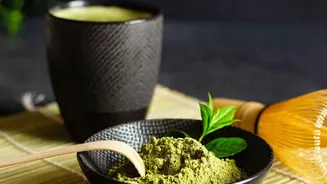
green tea leaves. Unlike traditional teas where you steep the leaves in water and then discard them, with matcha, you consume the entire leaf. The powder is whisked into water or milk, creating a uniquely rich and potent beverage. This method means you're getting a more concentrated dose of everything the tea leaf has to offer. The process originates from Japanese tea ceremonies, and its unique flavour profile—a mix of earthy, umami, and subtly sweet notes—is now winning over palates worldwide, including in India.
More Than Just Another Green Tea
The key difference between matcha and regular green tea lies in how it's grown and prepared. Matcha tea plants are shade-grown for about three to four weeks before harvest. This process boosts their chlorophyll levels, giving the leaves a more vibrant green colour, and increases the concentration of amino acids like L-theanine. This amino acid is known for promoting a state of calm alertness, which is why many matcha drinkers report sustained energy without the jitters associated with coffee. When you drink a cup of matcha, you are consuming the whole, powdered leaf, which delivers significantly more antioxidants, like catechins and EGCG, compared to just steeping and removing green tea leaves. This potent nutritional profile is a major reason for its growing appeal among health-conscious consumers.
The Wellness and Instagrammability Factor
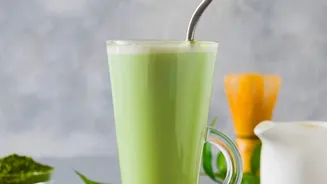
Much of matcha's rise in India is tied to a growing focus on wellness. It's seen as a healthier alternative to coffee and an upgrade from regular green tea, packed with antioxidants believed to boost metabolism and improve focus. Recent search data shows a massive spike in health-related queries, with searches for “matcha health” and “matcha protein” increasing dramatically. But wellness is only half the story. The other half is its undeniable aesthetic appeal. The brilliant green colour makes for a stunning, “Instagrammable” drink. For many younger Indians, sharing a picture of their matcha latte has become as much a part of the experience as drinking it, turning the beverage into a lifestyle statement that blends health and style.
How India Is Making Matcha Its Own
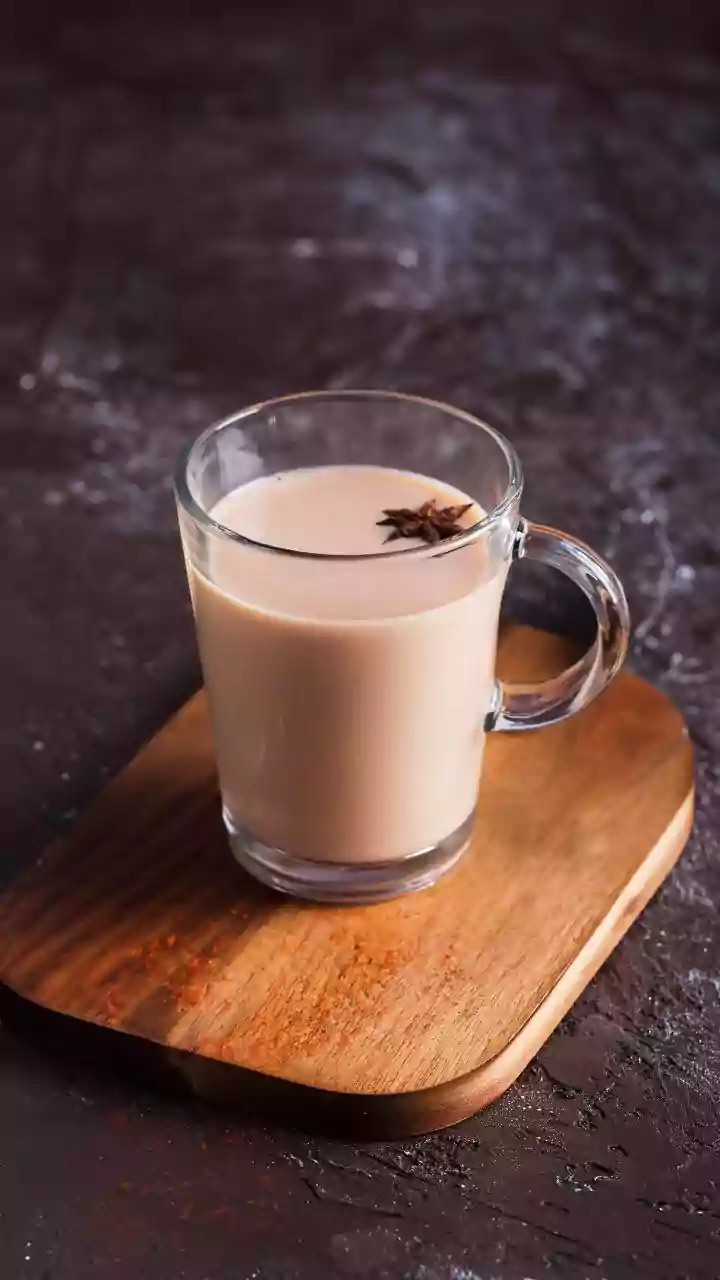
While matcha has Japanese roots, Indians are not just adopting it; they're adapting it. The trend is moving beyond the cafe and into the home, with Google searches for “how to make matcha” soaring by 1,300% over the past year. People are also buying matcha whisks and bowls to build a home ritual. Furthermore, consumers are experimenting with flavours that suit the local palate. Searches for “mango matcha” and “strawberry matcha” have climbed significantly, while combinations like “coconut matcha” are also gaining traction. This fusion shows how a global trend can be embraced and customized, finding its own unique space within India's diverse culinary landscape without replacing the beloved masala chai.
Your Guide to Trying Matcha at Home
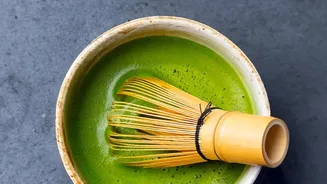
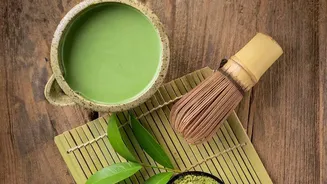
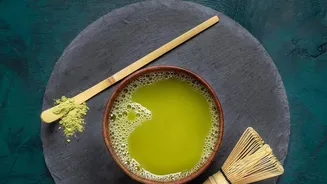
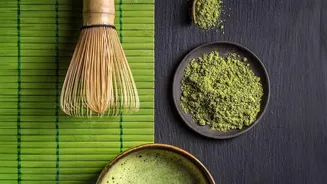
Curious to try it yourself? Making a basic matcha latte at home is easier than you think. You’ll need matcha powder, hot water, and milk of your choice (dairy or plant-based work well). A sweetener like honey or maple syrup is optional. While a traditional bamboo whisk (chasen) is ideal for creating a smooth, frothy texture, a small electric milk frother or even a simple spoon will do in a pinch. Start by sifting about a teaspoon of matcha powder into a mug to remove clumps. Add a small amount of hot (not boiling) water and whisk vigorously in a W-shaped motion until the mixture is smooth and frothy. Then, simply top with your steamed or cold milk. It's a simple, five-minute process that brings the cafe experience right into your kitchen.