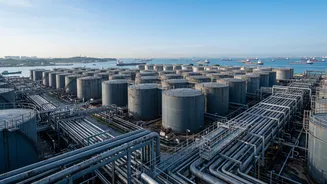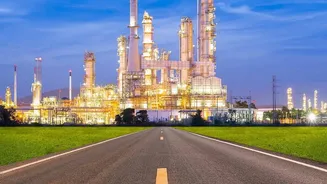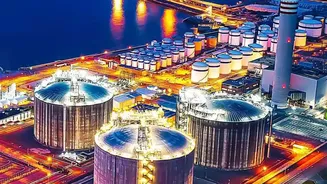





Deep beneath Jurong Island lies a key to Singapore’s future: the Jurong Rock Caverns. Now, a new partnership with Saudi Arabia to store crude oil there is set to reinforce the nation’s energy security in an increasingly uncertain world.
A Strategic Alliance Deep Underground
Singapore and Saudi
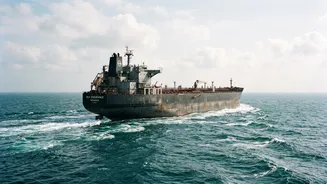
Arabia have announced a landmark arrangement to store Saudi crude oil in Singapore's Jurong Rock Caverns starting from the second half of 2027. The deal, formalized through a Memorandum of Understanding between Saudi Aramco, Singapore's Energy Market Authority (EMA), and JTC Corporation, marks a significant step in bolstering energy resilience for both nations. Announced during Singapore International Energy Week, the plan will see Saudi Arabia, one of the world's largest oil exporters, strategically stockpile crude oil in Southeast Asia's premier energy hub. This move is designed to enhance the security of Saudi Arabia's supply chain to Asia while simultaneously providing Singapore with an additional buffer against global energy disruptions.
The Jewel of Jurong Island
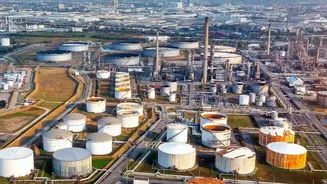
The Jurong Rock Caverns are an engineering marvel and a cornerstone of Singapore's strategic planning. Located 150 meters below ground level on Jurong Island, it is Southeast Asia's first commercial underground facility for storing liquid hydrocarbons like crude oil and condensate. With a total capacity of 1.47 million cubic meters—equivalent to about 9 million barrels—the caverns are as tall as a nine-story building. By moving critical storage infrastructure underground, Singapore has freed up approximately 60 hectares of valuable surface land for higher-value industrial activities. This foresight provides a secure, land-efficient solution for managing the nation's energy reserves.
Why Singapore is the Perfect Partner
For Saudi Arabia, choosing Singapore as a storage location is a calculated strategic decision. Singapore's geographic position at the heart of major Asian shipping lanes makes it an ideal logistical hub. Storing crude oil closer to its key Asian markets—which have been impacted by supply disruptions—allows Saudi Aramco to increase the flexibility and resilience of its supply network. This arrangement mirrors similar agreements Saudi Arabia has with Japan and South Korea, where stored oil helps guarantee supply stability. Given recent global supply chain shocks and regional conflicts, having reserves in a stable, world-class hub like Singapore is invaluable for ensuring timely delivery to customers across Asia.
Bolstering Singapore’s Energy Shield
While Singapore has no crude oil reserves of its own, it has become one of the world's top oil refining and trading centers. The nation's energy security is not based on natural resources, but on strategic infrastructure, diverse sourcing, and robust stockpiles. The arrangement with Saudi Arabia directly supports this strategy. In the event of a supply disruption, the stored crude will be available to support Singapore's needs, reinforcing its energy resilience. This initiative is part of a broader national push to secure Singapore's energy future. Recent events, such as Indonesia's reduction in pipeline gas exports, have underscored the vulnerability of relying on imports. In response, Singapore is not only strengthening partnerships but also investing heavily in its energy infrastructure, including new gas-fired power plants and expanding its LNG capacity.
A Partnership with Broader Implications
This agreement is more than a simple storage contract; it is a powerful symbol of deepening ties between Saudi Arabia and Singapore and a reflection of a changing global energy landscape. For Singapore, it reinforces its status as a trusted, indispensable node in the world's energy network. For Saudi Arabia, it provides a crucial logistical advantage in its most important market. The collaboration also highlights a global trend among nations to secure their supply chains through strategic partnerships and distributed storage, mitigating risks from geopolitical tensions and other unforeseen events. As both nations move to finalize the commercial details in the coming months, this alliance is set to become a key pillar of energy security in Southeast Asia.