



A New Wave of Car Ownership
The Indian automotive market is witnessing a heartening trend: the return of the first-time buyer. Following market leader Maruti Suzuki's reports, both Tata Motors and Mahindra & Mahindra have confirmed they are seeing a similar, significant increase.
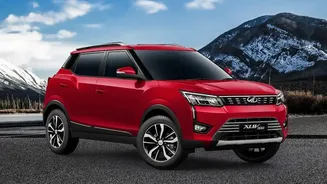
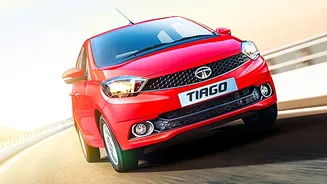
Tata Motors has noted a 6-7% rise in first-time buyers over the past year. For certain models, the numbers are even more striking; a staggering 60% of customers for the popular Tata Punch are buying a car for the very first time. Meanwhile, Mahindra & Mahindra has seen a robust 20% year-on-year growth in its entry-level SUV segment, a category hugely popular with new buyers. This isn't a minor uptick; it represents a broadening of the entire car market, drawing in a new and aspirational class of consumers.
The Driving Force: Better Affordability
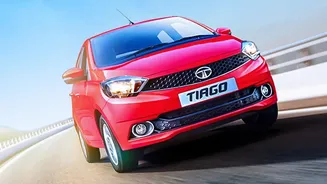
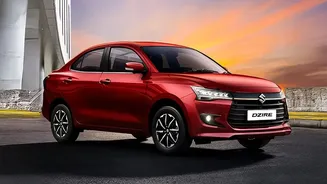
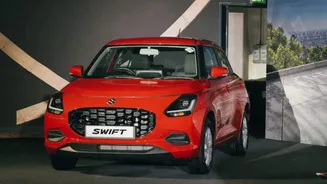
A primary catalyst for this boom is improved affordability, largely driven by government policy. A crucial GST reform implemented last year reduced the tax on smaller vehicles (under four metres) from 28% to 18%. This move directly lowered the on-road price of entry-level cars and compact SUVs, models that are the default choice for most first-time buyers. For many households, this reduction was the final push needed to make a car purchase feasible, turning a long-held dream into a concrete plan. Industry leaders have explicitly stated that this tax rationalisation has given fresh momentum to India's journey toward mass motorisation, making personal mobility accessible to a much wider audience.
The Rise of the Compact SUV
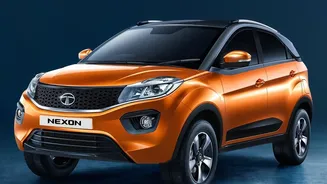
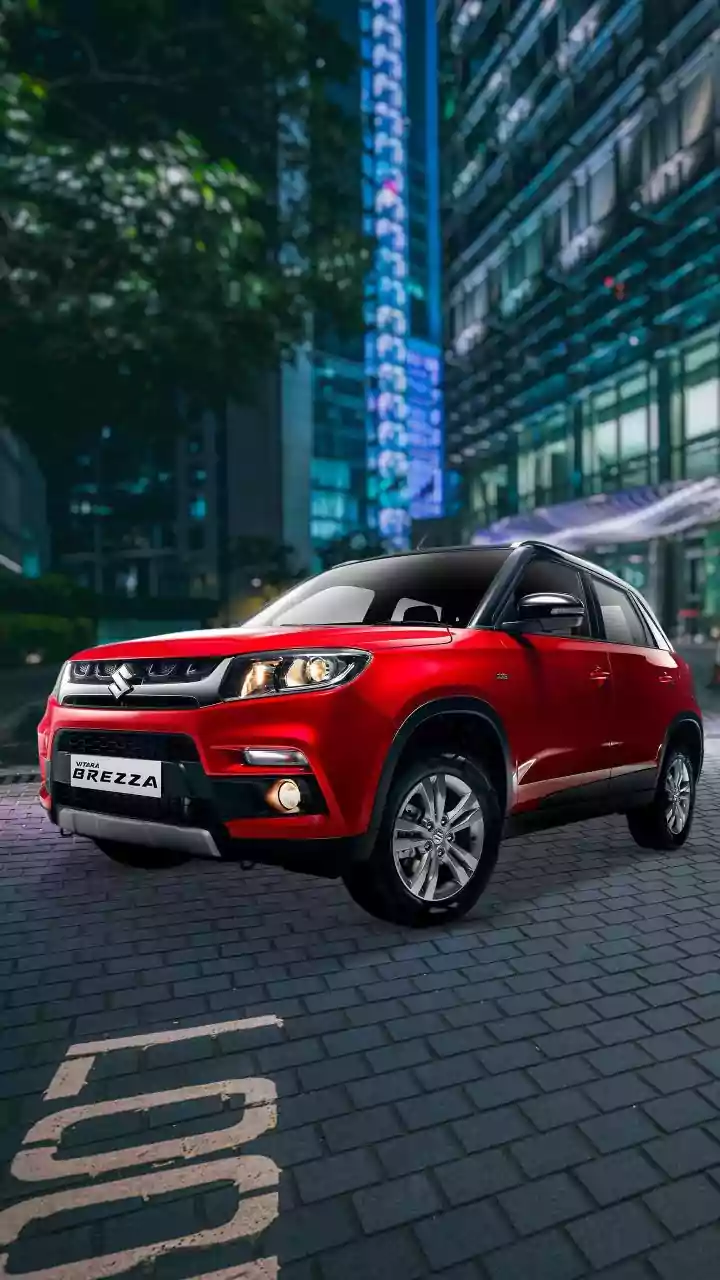
The preferences of these new buyers are clear: the compact SUV is king. Models like the Tata Punch and Mahindra’s entry-level SUVs are proving to be magnets for this demographic. These vehicles offer a compelling package: the high ground clearance and bold styling of an SUV combined with the manageable footprint and running costs of a smaller car. For a first-time buyer, they represent a significant upgrade in lifestyle and status without being prohibitively expensive. Tata Motors reports that its Punch, which leads the sub-compact SUV segment, has been particularly successful in attracting customers who are taking the first step into car ownership.
Beyond the Metros: A Rural and Semi-Urban Story
This trend is not confined to India’s major cities. In fact, much of the new growth is originating from Tier-2, Tier-3, and rural areas. Rising incomes, improved infrastructure, and a growing desire for personal mobility are fuelling demand in the hinterlands. After the pandemic, the preference for safe, personal transportation over crowded public options has become a lasting factor. Furthermore, with easier access to financing, car ownership is no longer an exclusively urban phenomenon. This geographic expansion is a healthy sign for the industry, indicating a deeper, more resilient market that is less dependent on the economic cycles of a few large cities.
What This Means for the Future
The influx of first-time buyers is reshaping the strategies of car manufacturers. There is a renewed focus on creating feature-rich, well-designed, and safe vehicles at competitive price points. Companies recognise that a positive first ownership experience can create a loyal customer for life. This trend also puts a spotlight on the entire automotive ecosystem, from financing institutions offering accessible loans to the growth of the used car market, which often serves as another entry point for new buyers. The surge indicates strong consumer confidence and is a positive bellwether for the Indian economy, showing that the aspirations of millions are now translating into major purchasing decisions.