








A Marvel in the Mountains
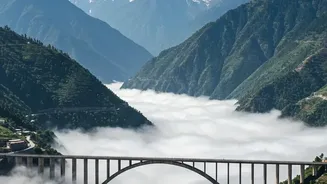
Imagine a steel arch stretching across a deep gorge, its deck soaring 359 metres (1,178 feet) above the riverbed below. That’s the Chenab Rail Bridge, the highest railway bridge in the world. Located in the Reasi district of Jammu and Kashmir, this 1,315-metre-long
structure is the crown jewel of the Udhampur-Srinagar-Baramulla Rail Link (USBRL) project. Constructed from over 28,000 tonnes of steel, the bridge is designed to last 120 years and is a testament to India's growing engineering prowess. Its main arch spans an impressive 467 metres, creating an iconic silhouette against the rugged Himalayan landscape.
Overcoming Impossible Challenges
Building the Chenab Bridge was a battle against nature and geology. The project, which faced several delays since its initial conception, was executed in one of the world's most difficult terrains. Engineers and workers contended with the fragile Himalayan geology, marked by faults and seismic risks. The bridge is designed to withstand earthquakes of the highest intensity (Zone V) and wind speeds of up to 260 kilometres per hour. Special steel that can endure temperatures from -20°C to over 40°C was used. Furthermore, given the security-sensitive location, the structure is fortified with 63mm-thick blast-proof steel, designed in consultation with the DRDO to resist high-intensity explosions.
Connecting Kashmir, Uniting a Nation
For decades, the Kashmir Valley was cut off from the rest of India by land during harsh winters, when snow would block the Jammu-Srinagar national highway. The USBRL project was conceived to provide a reliable, all-weather alternative. The Chenab Bridge is the critical link that completes this 272-kilometre railway line, finally connecting the valley to the rest of the country's rail network. This project is not just about transportation; it's a strategic move to foster national integration, providing a dependable line for moving goods, security forces, and people throughout the year. It closes a gap that has existed for nearly a century, fulfilling a long-held national dream.
The Journey Transformed
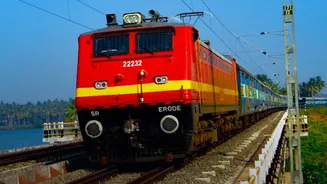
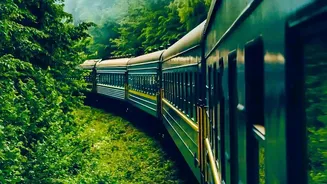
The operationalisation of the bridge fundamentally changes travel to and within the region. The journey by road between Jammu and Srinagar can take many hours and is often precarious. With the Vande Bharat Express now running on this line, the travel time between Katra and Srinagar is expected to be just over three hours. This dramatic reduction in travel time and the assurance of year-round connectivity are set to boost the region's economy. Easier access is expected to spur tourism, allowing visitors to explore previously hard-to-reach areas like Reasi and Banihal. For local residents, it means better access to markets, education, and healthcare, improving the overall quality of life.
More Than Just a Bridge
The Chenab Rail Bridge stands as a powerful symbol of progress and determination. It represents a major leap in India's infrastructure capabilities, demonstrating that the country can execute world-class projects in extremely challenging conditions. The project has already provided significant employment to local residents. Beyond its economic and strategic benefits, the bridge is an emerging tourist attraction in its own right, a man-made wonder amidst the natural splendour of the Himalayas. It serves as a source of national pride and a beacon of development for a region poised for a new chapter of growth and prosperity.