

An Offer Too Good to Refuse
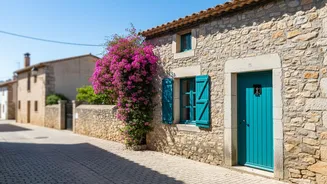
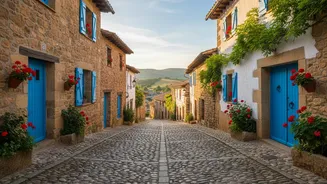
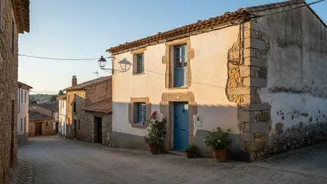
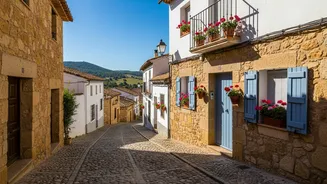
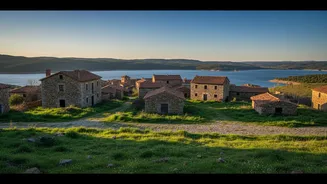
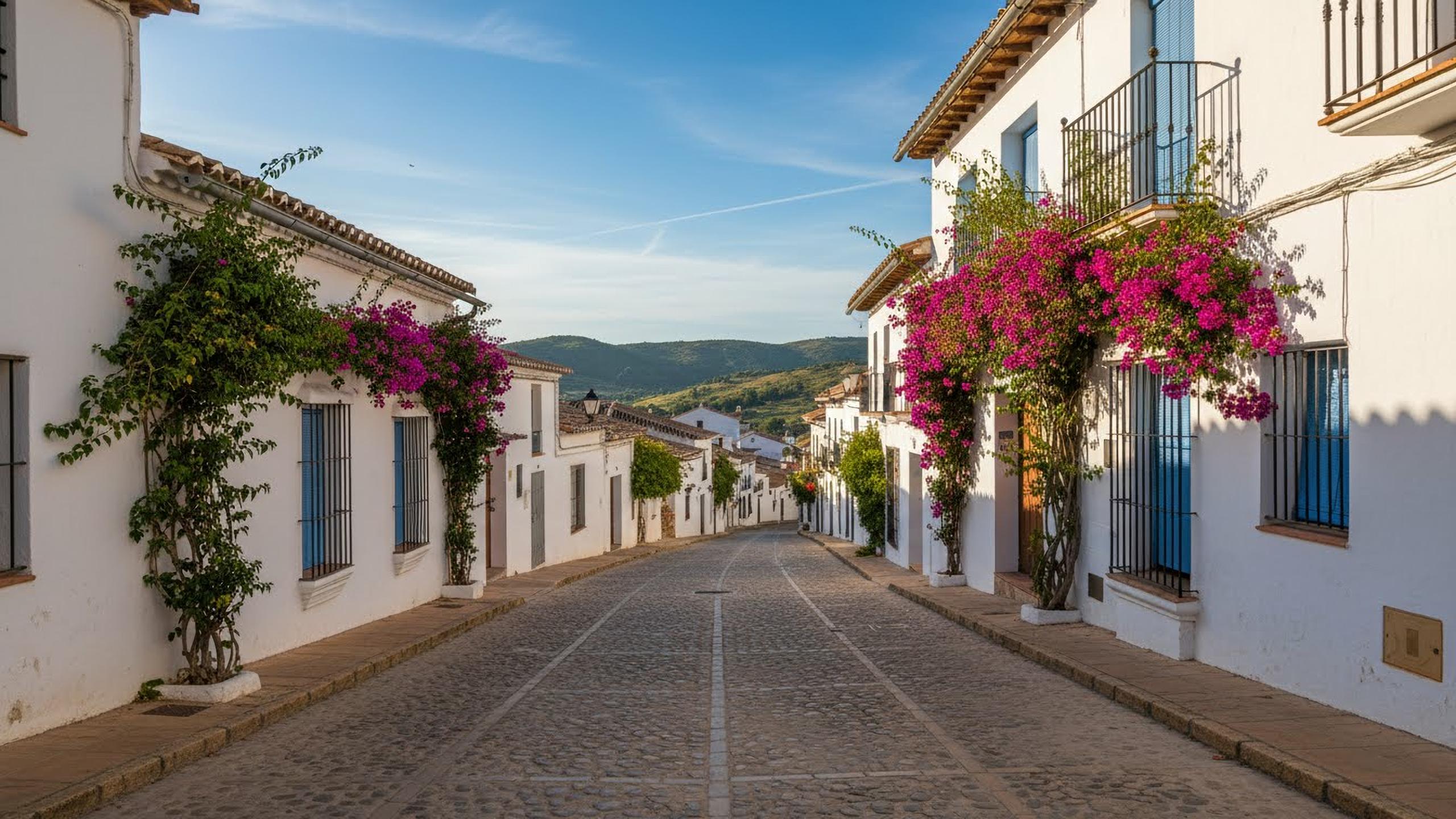
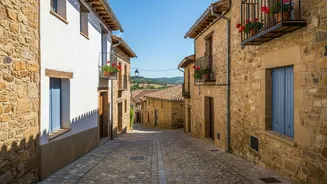
A few years ago, the small mountain town of Griegos, in the Teruel province of northeastern Spain, went viral. With a dwindling population of just 138 residents, the town's council made an audacious offer to the world: a free house and a guaranteed job
for a family willing to relocate. The primary condition was that the family must have school-aged children. The local school had only nine pupils and was dangerously close to being shut down, a death knell for any small community. The offer included options to work in the local restaurant or even manage the village hotel, with heavily subsidised rent after the first three free months. For a family with children, the monthly rent could be reduced significantly, making the proposition even more attractive.
The Global Response to 'Empty Spain'
The response was immediate and overwhelming. The town hall was inundated with over 3,000 applications from across Spain and as far away as Latin America, Croatia, and Romania. This massive interest highlighted a widespread desire for a different way of life, but it also cast a spotlight on a phenomenon known as 'España Vaciada', or 'Empty Spain'. For decades, Spain's vast rural interior has been steadily losing its population to coastal cities, leaving behind thousands of charming but sparsely populated villages. These communities struggle with an aging population, a lack of job opportunities, and the constant threat of losing essential services like schools and healthcare. Griegos’s creative initiative was a desperate measure, but it was also a brilliant marketing move that tapped into a global conversation about work-life balance and community.
Meet the New Neighbours
After a difficult selection process that involved applicants sending in videos to make their case, Griegos found its family. They chose newcomers who not only met the criteria of having children but who also demonstrated a genuine understanding of the challenges and realities of rural life. The deputy mayor noted that while enthusiasm was high, the winters in Griegos are harsh, and life in a tiny village is not for everyone. The family that was ultimately selected was seen as a good fit for the long-term commitment the town was hoping for. The father took on a job connected to the town's services, and the children enrolled in the local school, securing its immediate future and bringing new energy to the community.
A Trend Across the Country
Griegos is not alone. Numerous other Spanish villages have launched similar initiatives. In the northern region of Asturias, the town of Ponga has famously offered cash incentives for couples to move in, with an additional payment for every child born there. In Galicia, the village of Rubiá offered monthly grants and affordable housing to attract newcomers. Other towns have auctioned off plots of land for a few hundred euros on the condition that the buyer builds a house within a few years. These programs, often funded by regional governments or private-public partnerships, are part of a larger national strategy to revitalise the countryside. They aim to attract not just families, but also entrepreneurs and remote workers who can help build a more diverse and resilient local economy.