


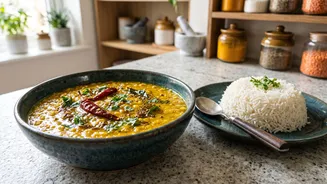
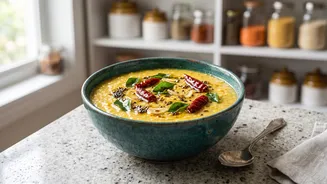
In the symphony of an Indian kitchen, moong dal is the quiet, consistent hero. Its most gentle expression, the humble moong dal soup, is a source of comfort for many, but it's also the perfect gateway to a world of incredible culinary diversity.
The Comforting Gateway: Moong Dal Soup
For many,
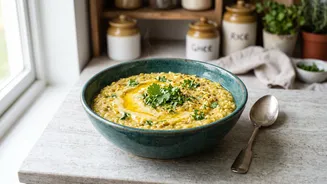
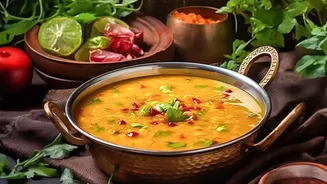
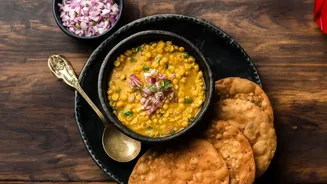
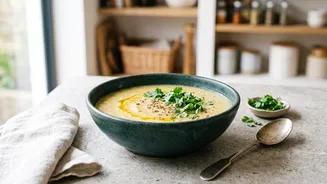
moong dal soup is the first and most familiar encounter with this versatile lentil. Light, nourishing, and famously easy to digest, it's the go-to meal during recovery or when you simply crave something warm and restorative. This simple preparation, often simmered with a touch of turmeric and ginger, embodies moong dal in its purest form. It's a dish that balances all three doshas—Vata, Pitta, and Kapha—making it a celebrated staple in Ayurveda. Often recommended for everyone from babies to the elderly, the soup is more than just a meal; it's a therapeutic food that soothes the system. Its quick cooking time, typically under 30 minutes, and minimal preparation make it a weeknight saviour. But to see it only as soup is to miss the bigger picture of what this incredible ingredient can do.
Understanding the Star Ingredient
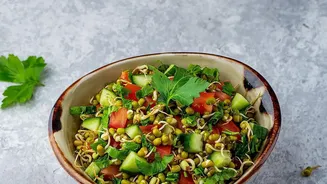
So, what exactly is moong dal? It's the split and hulled version of the whole green gram bean (mung bean). This process reveals the familiar small, yellow lentil that is a fixture in nearly every Indian pantry. This yellow form, known as 'dhuli moong', is prized for cooking quickly and breaking down into a creamy consistency. However, moong dal also comes in other forms: as whole green gram ('sabut moong') and as split lentils with the green skin intact ('chilka moong dal'). Each variety has a distinct texture and purpose. The yellow dal is perfect for light soups and dals, the whole green gram is ideal for sprouting or heartier curries, and the skin-on version provides more fibre and texture, often used in dishes like khichdi. Understanding these different forms is the key to unlocking the full potential of moong dal in the kitchen.
From Dal Tadka to Decadent Halwa
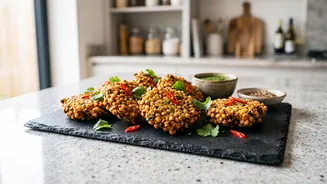
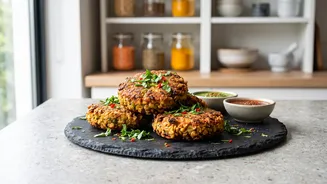
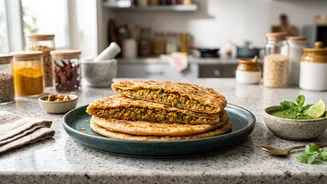
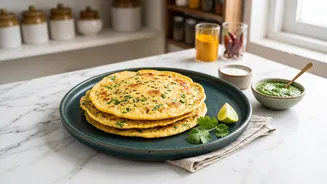
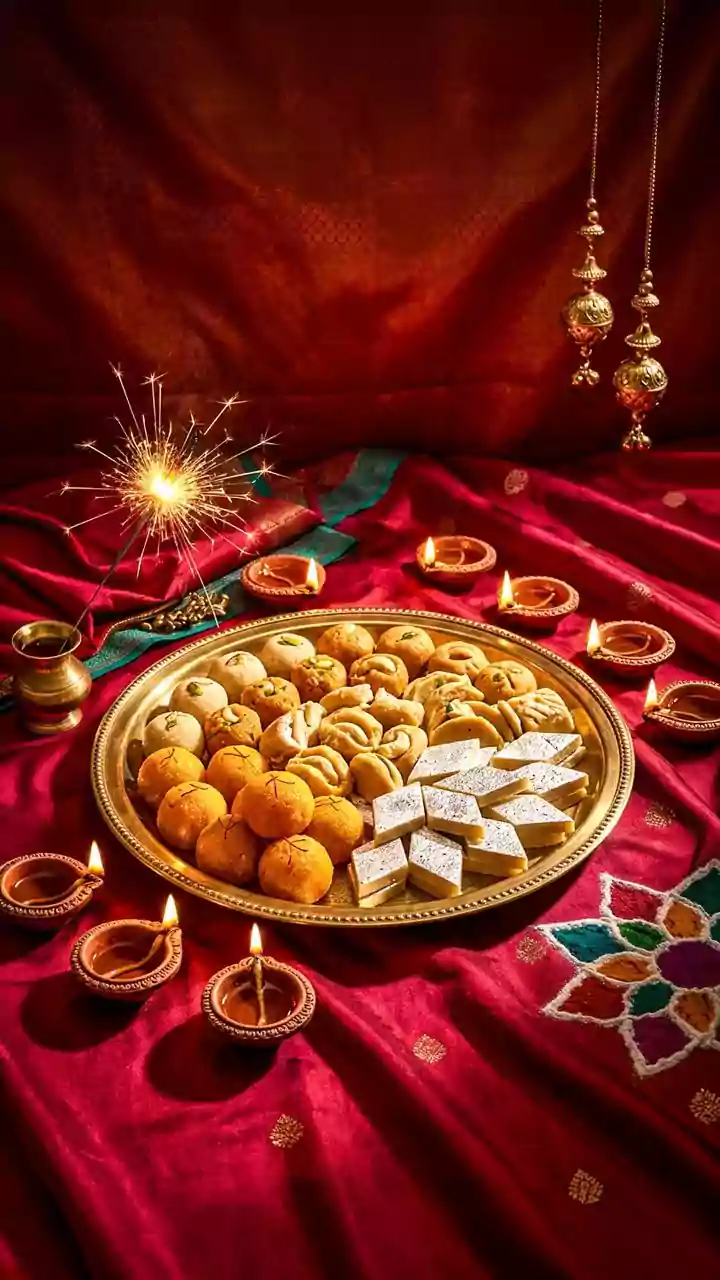
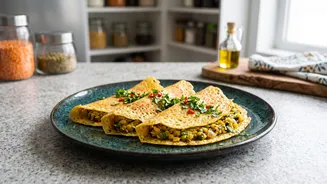
While soup is its most gentle form, moong dal's mild flavour and adaptable texture allow it to be the star in a vast array of dishes, spanning savoury to sweet. The most common preparation beyond soup is a classic 'dal tadka' or 'dal fry', where the cooked lentils are tempered with ghee and spices like cumin, garlic, and asafoetida. Another beloved comfort food is 'khichdi', a wholesome one-pot meal of rice and moong dal simmered together, often hailed as a restorative dish. But its versatility doesn't end there. When ground into a batter, moong dal transforms into savoury pancakes known as 'cheela' in North India or 'pesarattu' in Andhra Pradesh. And for those with a sweet tooth, moong dal can be slow-cooked with ghee and sugar to create the rich, decadent 'moong dal halwa', a dessert reserved for special occasions. It can even be used to make snacks like vadas (fritters) and ladoos.
A Pillar of Health and Wellness
Moong dal's place in the Indian diet is cemented by its impressive nutritional profile. It is an excellent source of plant-based protein, making it essential for vegetarian and vegan diets. A single serving is packed with dietary fibre, which aids digestion and promotes gut health. Furthermore, it is rich in essential nutrients like iron, potassium, magnesium, and folate. In Ayurveda, moong dal is considered one of the most 'sattvic' foods, meaning it promotes purity, harmony, and mental clarity. Its reputation as the 'lightest' and most digestible of all lentils means it rarely causes the bloating or gas associated with other beans. This digestive ease is precisely why the simple soup is so widely recommended, but these health benefits are present in all its preparations, from cheela to khichdi.