




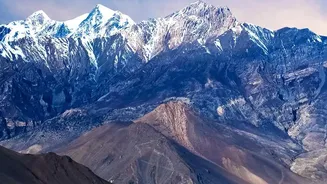
The Ticking Time Bombs Above
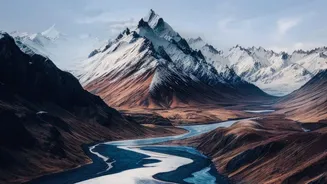
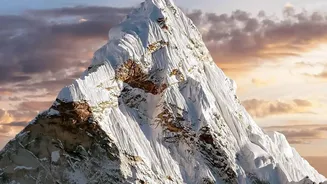
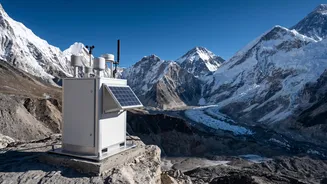
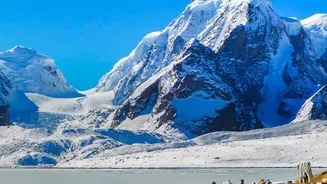
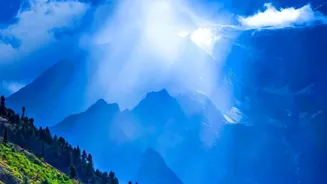
High above the villages and valleys, a threat is growing in silence: Glacial Lake Outburst Floods, or GLOFs. As climate change warms the Himalayas, glaciers are melting at an accelerated rate. This meltwater pools into massive lakes, often held back only
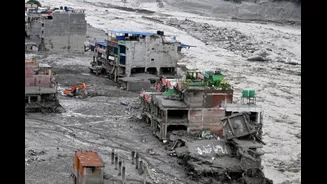
by unstable natural dams of loose rock and soil, known as moraines. These moraine dams can fail without warning due to pressure from the growing lake, an avalanche, or even just seepage. When they breach, they release an enormous volume of water, mud, and boulders downstream in minutes, creating a destructive torrent that can wipe out infrastructure and communities far below. These events are becoming more frequent, turning picturesque mountain lakes into ticking time bombs.
A Foundation of Fragility
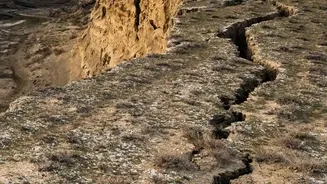
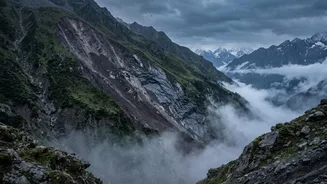
The Himalayas are, geologically speaking, young and active mountains. Their steep slopes are naturally prone to erosion and instability. This inherent fragility is now being dangerously amplified. The same warming that melts glaciers also thaws permafrost—frozen soil that acts like a glue holding hillsides together. As it thaws, slopes become weaker. When combined with the tectonic activity that characterizes the region, the mountains themselves become a more significant hazard, prone to landslides and collapses even without extreme rainfall. Events like the 2021 Rishiganga disaster showed that a massive rock and ice avalanche alone can trigger a catastrophic flood, proving that the mountain's instability is a primary threat in itself.
The Human Factor: Unplanned Growth
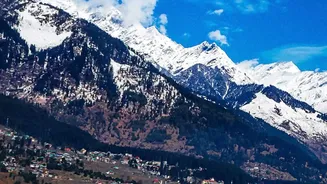
The natural fragility of the Himalayas is being pushed to a breaking point by human activity. A massive push for infrastructure, including extensive road networks and hydroelectric power projects, has involved widespread blasting and cutting into unstable hillsides. Deforestation for these projects and for urban expansion removes the tree cover that helps bind soil and absorb water, further weakening slopes. Entire towns, hotels, and roads are often built directly on riverbeds or alluvial fans—areas formed by past flood debris. This unregulated construction not only puts people directly in harm's way but also constricts river channels. Debris from construction often ends up in the rivers, narrowing their path and ensuring that when a surge of water does come, it rises faster and with more destructive force.
A Cascade of Catastrophe
These factors do not operate in isolation; they create a devastating chain reaction. An extreme rainfall event that might have been manageable on its own instead falls on a slope destabilized by road construction and deforestation. This triggers a landslide that crashes into a river already choked with construction debris. This temporary dam might then be overwhelmed by a GLOF from a melting glacier miles upstream. The result is a complex, cascading disaster far more powerful than any single cause. Scientists warn that as long as development plans fail to account for this combination of climate change, geology, and human impact, these tragedies will not only continue but will likely grow in scale and frequency.