







The Great Food Forgetting
Across India and the world, a quiet forgetting is taking place on our farms and on our plates. For generations, regional diets were built around an incredible variety of locally adapted crops, vegetables, and grains. India, for instance, was once home
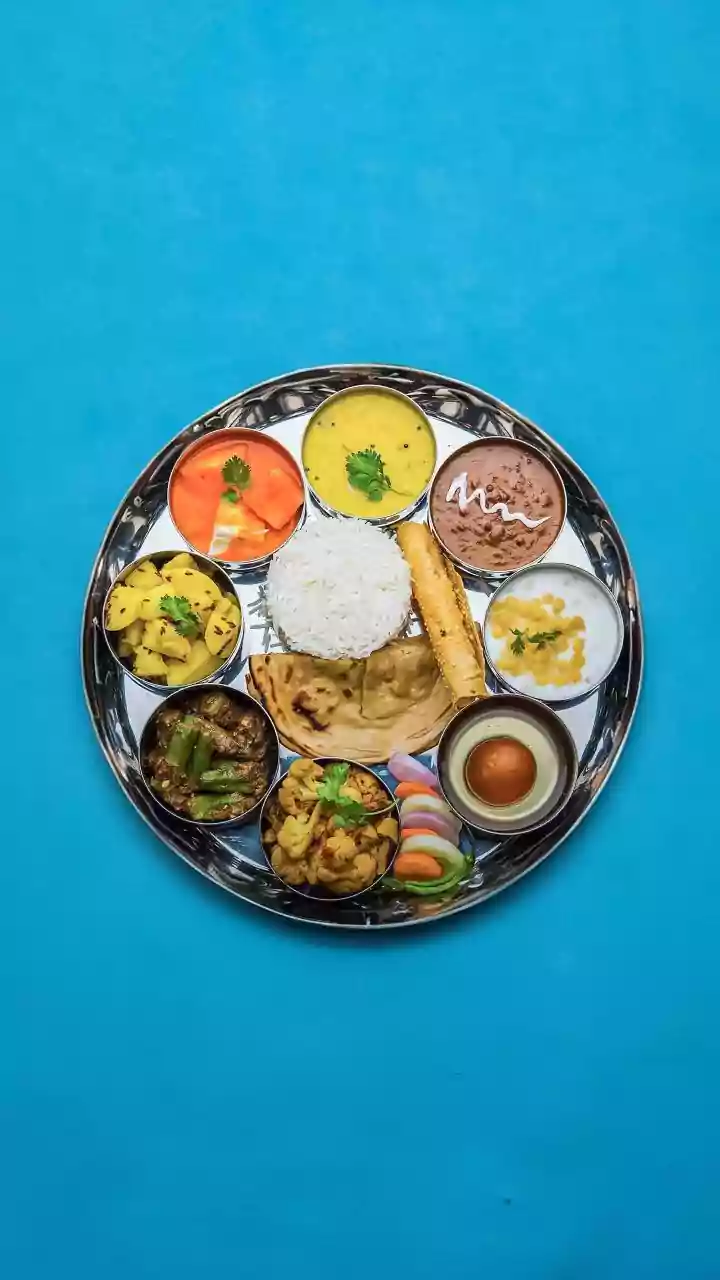
to over 100,000 varieties of rice. These traditional food systems, managed by farmers for centuries, were not just about sustenance; they were resilient, nutritious, and deeply intertwined with local cultures. However, a global shift towards agricultural uniformity is causing this rich diversity to vanish. The diet of our grandparents, filled with a spectrum of local produce, is being replaced by a more simplified, homogenous one, a trend that has profound implications for our health and environment.
The Rise of the Global Plate
So, what’s driving this change? The answer lies in the rise of a 'global plate' dominated by just a few key crops. Today, a staggering 75% of the world's food is generated from only 12 plant and five animal species. This move towards monoculture and high-yielding varieties was accelerated by the Green Revolution. While it significantly boosted food production, it inadvertently pushed out thousands of traditional cultivars. In India, this meant a heavy focus on wheat and rice at the expense of hardy and nutrient-dense grains like millets. This agricultural simplification, combined with urbanization and the marketing power of the processed food industry, has made a narrow range of foods convenient, cheap, and ubiquitous, changing the very structure of our daily meals.
A Hidden Public Health Crisis
This narrowing of our food choices is not just a loss for biodiversity; it's a direct threat to public health. Traditional Indian diets, rich in fibre, micronutrients, and a variety of plant compounds, have been shown to be protective against many diseases. The shift towards refined grains and ultra-processed foods, which often lack this nutritional complexity, is a key factor behind the alarming rise of non-communicable diseases (NCDs) like type 2 diabetes, heart disease, and obesity in India. When we lose food diversity, we lose a variety of essential nutrients and protective compounds that our bodies have evolved to thrive on. A diet limited to a few staple crops simply cannot provide the same comprehensive health benefits as a varied one drawn from a wider food base.
India's Edible Inheritance
The good news is that India is sitting on a treasure trove of solutions: its own agricultural biodiversity. This 'edible inheritance' includes countless varieties of millets, pulses, indigenous vegetables, and fruits that are perfectly suited to local climates and packed with nutrition. Millets, for example, are now being celebrated as 'superfoods'. They are gluten-free, have a low glycemic index, and are rich in protein and minerals. Beyond millets, think of the flood-resistant Kattuyanam rice in Tamil Nadu or the iron-rich black rice of Manipur. These are not just historical curiosities; they are public-health assets that offer resilience against climate change and a powerful tool to combat malnutrition and lifestyle diseases.
The Path to Rediscovery
Thankfully, a movement to reclaim this lost diversity is gaining momentum. The United Nations declaring 2023 the International Year of Millets, a move championed by India, has brought these ancient grains back into the spotlight. Across the country, chefs are rediscovering traditional ingredients, farmers are being encouraged to cultivate heritage crops, and consumers are showing a growing interest in eating locally and seasonally. Government initiatives promoting millets in school meal schemes and public awareness campaigns are helping to rebuild market demand for these forgotten foods. This revival is more than just a culinary trend; it's a crucial step toward building a more sustainable and healthier food system for the future.