



A Surprising Connection Revealed
The nationwide ICMR-India Diabetes (INDIAB) study has presented a sobering look at the country's dietary habits. The research, conducted with the Madras Diabetes Research Foundation, found that the average Indian diet is overwhelmingly dominated by carbohydrates,
which account for a staggering 62% of daily calorie intake. This carb-heavy pattern, one of the highest globally, was strongly associated with a higher risk of developing type 2 diabetes, prediabetes, and obesity. The findings challenge the simple assumption that a vegetarian meal is automatically a healthy one, pointing instead to the quality and balance of what's on the plate.
The Real Issue: Quality Over Category
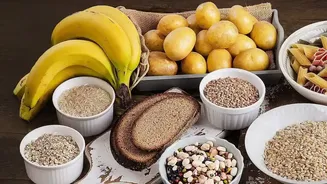
The research makes a crucial distinction: the problem is not vegetarianism itself, but the type of foods that constitute many Indian vegetarian diets. A significant portion of the carbohydrates consumed comes from low-quality sources like white rice, finely milled wheat flour (atta), and added sugars. These are 'refined' carbohydrates that the body digests quickly, causing sharp spikes in blood sugar and insulin. Over time, this can lead to insulin resistance, a key precursor to type 2 diabetes. The study found that individuals with the highest intake of these carbs had up to a 30% greater risk of newly diagnosed diabetes compared to those with the lowest intake.
Why Switching Grains Isn't Enough
One of the most striking findings from the ICMR-INDIAB study was that simply replacing refined rice with milled whole grains like wheat or millet flour did not significantly lower the risk of diabetes or abdominal obesity. This is because even whole grains, when milled into very fine flour, lose much of their fibrous structure. As a result, they behave similarly to refined grains inside the body, causing a relatively rapid increase in blood sugar. The researchers stress that the key takeaway is the need to reduce the total quantity of carbohydrates in the diet, not just swap one type of milled grain for another.
The Power of Protein and Fibre
Alongside the high carbohydrate intake, the study highlighted a widespread protein deficiency. On average, protein makes up only 12% of daily calories in the Indian diet, with most of it coming from plant sources like cereals and pulses rather than high-quality dairy or animal proteins. This imbalance is critical. Protein and fibre are essential for slowing down digestion, promoting satiety, and stabilising blood sugar levels. The research demonstrated a powerful solution: isocalorically replacing just 5% of carbohydrate calories with protein from sources like dairy, pulses, or eggs was associated with a significantly lower risk of diabetes and prediabetes.
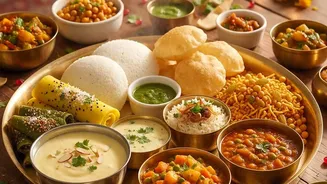
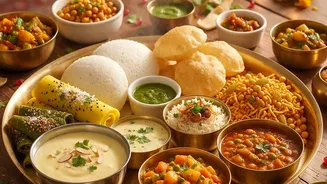
Building a Healthier Vegetarian Thali
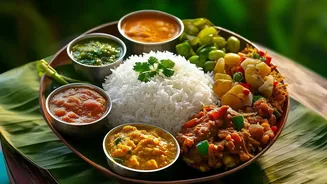
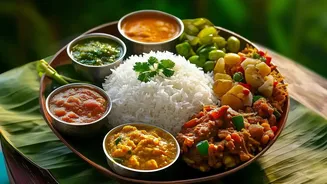
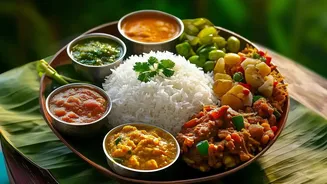
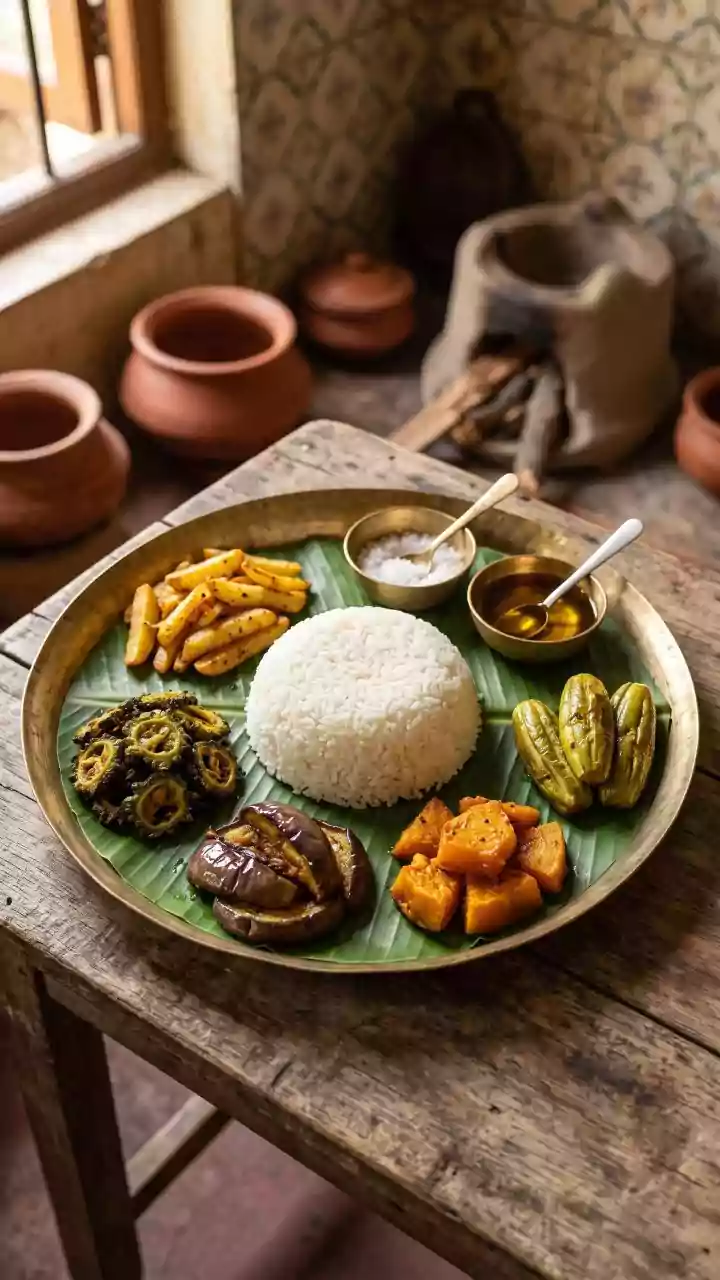
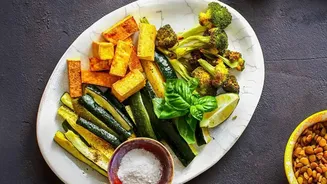
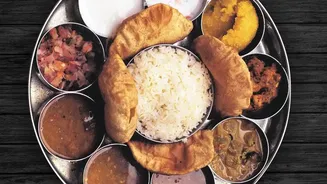
The study's findings empower individuals to make smarter choices without abandoning traditional vegetarian meals. The focus should shift towards rebalancing the plate. This means consciously reducing the portion sizes of rice and roti while increasing the servings of protein and fibre. A diabetes-friendly vegetarian meal should feature a generous portion of non-starchy vegetables (like leafy greens, gourds, and beans), a substantial serving of dal, legumes (chana, rajma), or paneer, and a side of curd. Whole grains like brown rice, and millets such as jowar and ragi, are better choices, especially when not finely milled. The goal is to create a meal that is nourishing and helps manage blood sugar, proving that an Indian vegetarian diet can indeed be a powerful tool for good health.