




The Ash Cloud That Halted Global Aviation
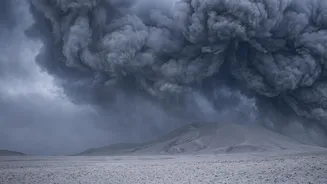
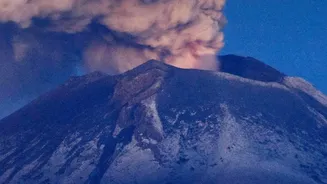
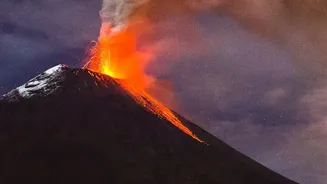
Perhaps no event demonstrated the fragility of modern global systems better than the 2010 eruption of Eyjafjallajökull in Iceland. It wasn't a historically massive eruption in terms of explosive power, but its impact was uniquely disruptive. The volcano's
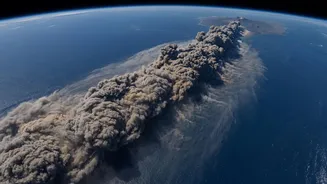
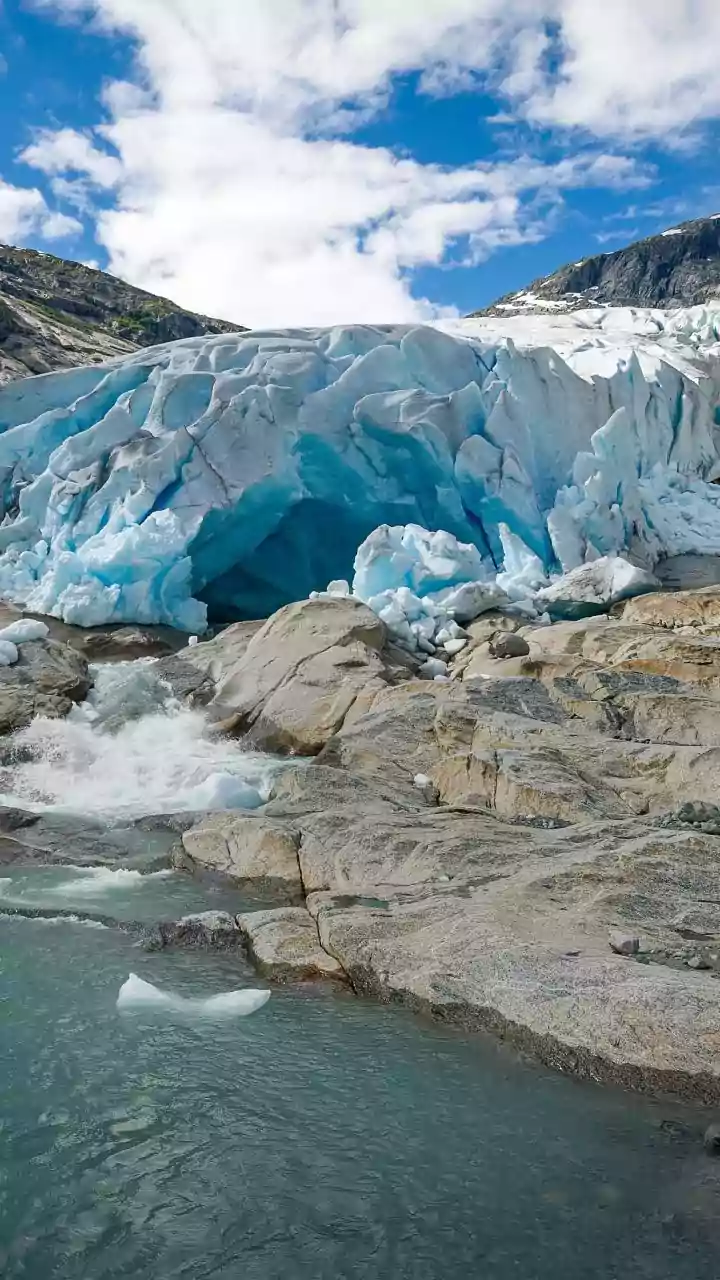
location, combined with the interaction of magma and glacial ice, produced a plume of extremely fine and hazardous ash. This ash was then carried by an unusually stable jet stream directly into some of the busiest airspace in the world. The result was the largest air-traffic shutdown since World War II. For nearly a week in April 2010, European airspace was largely closed, leading to the cancellation of over 100,000 flights. Millions of passengers were stranded globally, and the airline industry lost an estimated $1.7 billion in revenue. The event was a wake-up call, forcing the aviation industry and regulatory bodies to completely reassess how they manage volcanic ash risk, leading to new protocols for flying in areas with lower ash concentrations.
Rewriting Our Understanding of the Atmosphere
Twelve years later, a different kind of eruption offered a new set of lessons. The January 2022 eruption of the Hunga Tonga-Hunga Haʻapai submarine volcano was the largest explosive event of the 21st century and the biggest recorded by modern instruments. Its atmospheric pressure wave circled the globe multiple times. Unlike eruptions that primarily eject ash and sulfur dioxide, which tend to have a cooling effect, the Hunga eruption was unique. It blasted an unprecedented amount of water vapour—an estimated 10% of the total water in the stratosphere—deep into the atmosphere. This massive injection of water vapour had scientists scrambling to understand its effects. An international report later confirmed that instead of warming the stratosphere as large eruptions often do, the water vapour led to cooling at high altitudes. The event provided a crucial, real-world laboratory for understanding volcanic impacts on atmospheric chemistry, the ozone layer, and climate systems in ways scientists had previously only theorized.
Humanitarian Crises and Economic Ripples
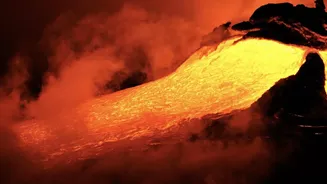
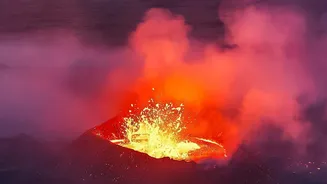
While some eruptions capture global headlines for their novelty, others create devastating and complex humanitarian emergencies. The 2021 eruption of Mount Nyiragongo in the Democratic Republic of Congo (DRC) is a stark example. The lava flows destroyed thousands of homes, schools, and health centres in and around the city of Goma, displacing around 234,000 people and cutting off water access for nearly 200,000. The eruption compounded an already dire situation in a region grappling with conflict, food insecurity, and other public health crises like Ebola and COVID-19. The response required a massive international effort to provide food, water, and shelter, and to reunite over 1,000 children separated from their families in the chaos. These events show that the impact of an eruption is not just geological but deeply social and economic, capable of crippling a region and requiring a global humanitarian response.
An Ever-Present and Evolving Risk
The volcanic events of this century have reshaped our perception of geological hazards. They are not merely local disasters but systemic risks with the potential for global consequences. The economic fallout extends beyond immediate destruction; even prolonged periods of volcanic unrest without a major eruption can negatively impact regional economies and housing prices, as studies have shown. As global supply chains and travel networks become more intertwined, our vulnerability to these disruptions increases. This has spurred greater international cooperation in monitoring and response. The lessons learned from the aviation shutdown in 2010 and the atmospheric science insights from the Hunga Tonga eruption in 2022 are now informing how governments and industries prepare for the inevitable future events that will test our global resilience once more.