




A Barometer of Consumer Confidence
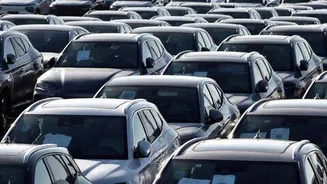
Buying a vehicle is one of the most significant purchases an Indian household makes. It is a decision rooted in optimism about the future. When families feel secure about their jobs and financial prospects, they are more willing to commit to a large-expenditure
item like a car or a scooter. High sales volumes during the festive months, which can account for 30-40% of annual sales, signal strong consumer confidence across the nation. This year, with stable interest rates on auto loans and positive sentiment, industry bodies like the Federation of Automobile Dealers Associations (FADA) are hopeful for a bumper season, a sentiment backed by surveys showing a majority of dealers are optimistic about growth.
The Ripple Effect Across Industries
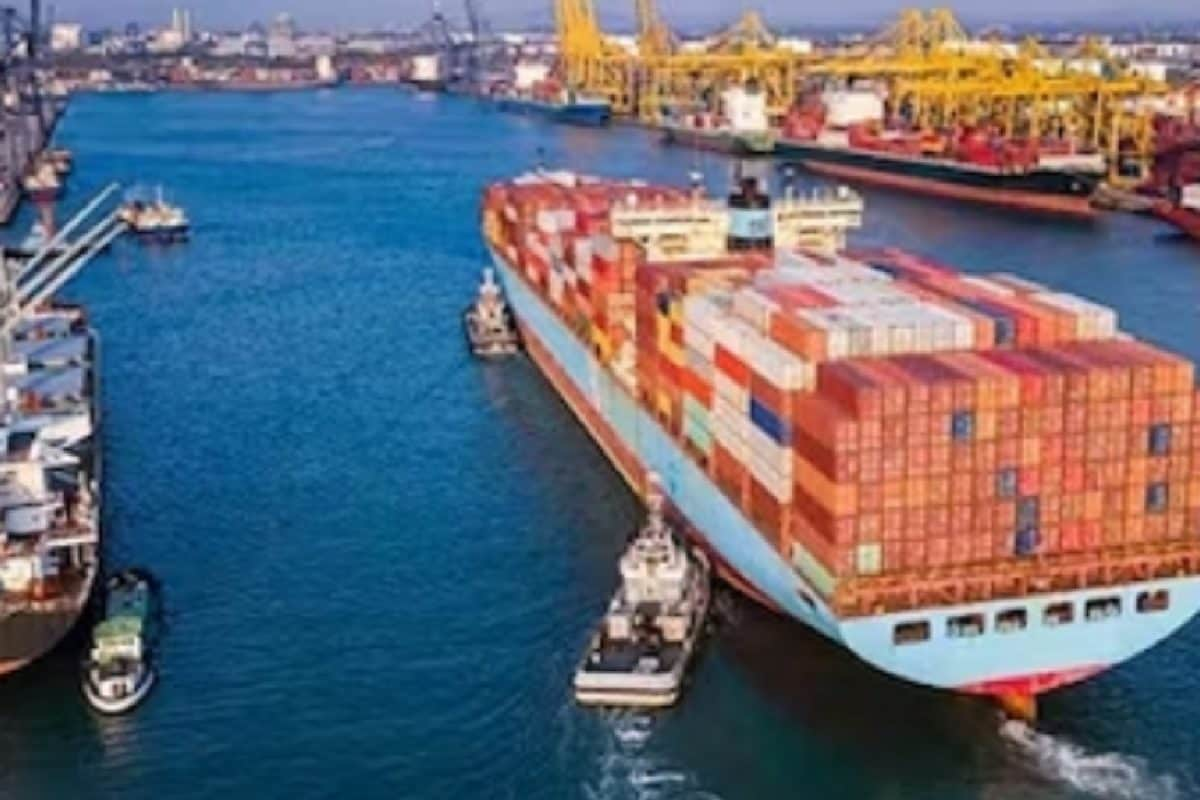
A car is not built in isolation. A single vehicle sale triggers a cascade of economic activity across numerous other sectors. Steel mills, tyre manufacturers, glass producers, and electronics component makers all see a surge in orders. This manufacturing activity supports millions of jobs, from the factory floor to the logistics network that transports parts and finished vehicles. Strong festive demand ensures that production lines keep humming, contributing significantly to the country's Gross Domestic Product (GDP). The commercial vehicle segment's health is also a telling sign, as growth here indicates rising demand for goods movement linked to infrastructure, mining, and e-commerce.
Fuel for the Financial Sector
The vast majority of vehicle purchases in India are financed through loans. A thriving auto market directly translates into a booming business for banks and non-banking financial companies (NBFCs). The Indian car loan market saw substantial growth in 2026, driven by rising incomes and competitive offerings from lenders. When loan disbursals are high, it indicates not only consumer demand but also a healthy credit environment where financial institutions are confident in lending. This symbiotic relationship means that a robust festive season for autos also strengthens the balance sheets of the nation’s financial players.
An Indicator of Rural Prosperity
While urban centres are major markets, the true depth of economic health is often revealed in rural India. Festive season sales, particularly for two-wheelers and entry-level cars, serve as a litmus test for the rural economy. Strong sales in these regions suggest that agricultural incomes are healthy and, increasingly, that the non-farm rural economy is expanding. Recent data from August 2026 showed that rural vehicle retail growth comfortably outpaced urban markets, a sign of resilient demand. This trend is crucial as it points to broadening prosperity and rising aspirations beyond the major metropolitan areas.
A Major Source of Government Revenue
Every new vehicle sold contributes directly to government coffers through Goods and Services Tax (GST), registration fees, and road taxes. This revenue is vital for funding public services and infrastructure projects, from building new highways to improving public transport. The powerful impact of tax policy was clearly demonstrated in September 2025, when GST rate cuts led to a dramatic surge in vehicle sales. This shows how government policy can stimulate demand, and in turn, how a healthy auto market generates significant revenue that can be reinvested into national development.