





Understanding the Shaggy Lob
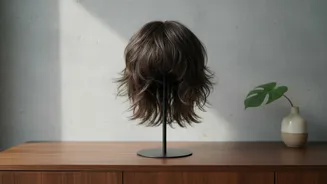
First, let's define the cut. A 'lob' is a long bob that typically sits somewhere between the chin and collarbone. The 'shaggy' element comes from adding multiple layers to create texture, movement, and a slightly undone, modern feel. Unlike a blunt or
classic lob where the structure is more uniform, the shaggy lob is all about a customized, textured shape. The layers are the most important part of the cut, as they determine the overall silhouette and how the hair moves.
Short Layers for Volume and Edge
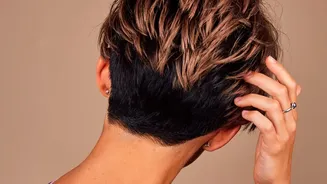
If you're craving volume, especially at the crown, shorter layers are your best friend. This technique involves cutting shorter sections of hair throughout the top and middle parts of your cut. The result is a choppier, more textured look that has a distinct rock-and-roll vibe. Shorter layers are excellent for making fine hair appear fuller and for removing bulk from very thick hair. They create a lot of movement and give the style a more dramatic, high-fashion edge. However, be aware that this style requires a bit more commitment, as the varied lengths can take more effort to style each day.
Long Layers for Softness and Flow
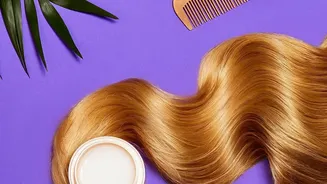
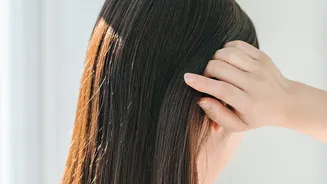
For a subtler, lower-maintenance take on the trend, opt for long layers. This approach concentrates the layering towards the bottom third of your hair, creating a softer, more blended effect. Long layers are perfect for adding movement and dimension without sacrificing the look of length and thickness at the ends. This makes it an ideal choice for those who want a hint of texture but prefer a style that is easier to manage and grow out. It works beautifully on wavy hair to enhance its natural pattern and gives straight hair a gentle, flowing shape.
Consider Your Face Shape
The right layers can beautifully complement your facial structure. For round or square face shapes, longer layers that start below the chin can help elongate and soften your features. A few face-framing pieces can also draw the eye downward, creating a slimming effect. Heart-shaped and oval faces have more versatility; they can handle shorter, more voluminous layers around the crown to balance a narrower chin or add interest. Curtain bangs are a popular addition that can soften angular features and draw attention to your eyes.
Factor in Your Hair Type
Your natural hair texture plays a huge role. Fine hair often benefits from layers that create the illusion of volume, but over-layering can make ends look thin. Ask for blended, soft layers to add body without sacrificing density. Thick hair, on the other hand, can handle more significant layering to remove weight and prevent the dreaded 'triangle' shape. For curly and wavy hair, layers are essential to give curls shape and bounce, preventing them from looking weighed down.
How to Talk to Your Stylist
Communication is key to getting the haircut you want. The best starting point is to bring reference photos of shaggy lobs you admire. Be specific about what you like in the photos. Use descriptive words like "choppy," "textured," "soft," or "blended." It's also helpful to tell your stylist where you want the shortest layer to start—for example, at the cheekbone or below the chin. Discussing your daily styling routine will help them tailor the cut to your lifestyle, ensuring it's a look you can maintain at home.