








More Than Just Extra Cash
The idea of a second job is evolving. What used to be about making ends meet has transformed into a strategic tool for career advancement. For a growing number of young professionals in cities like Bangalore, Mumbai, and Delhi, a side hustle is no longer
just a passion project or a way to pay off bills; it's a deliberate part of their long-term professional journey. This new generation of workers sees side gigs as a way to build skills, test entrepreneurial ideas, and create a diverse career portfolio that isn't dependent on a single employer. It’s a move from financial necessity to professional ambition, where the goal is not just more income, but more control and opportunity.
The Drivers of the Strategic Shift
Several factors are fuelling this trend. The rising cost of living in urban centres is undoubtedly a major push, with a 2026 survey noting that 58% of Indian employees are seeking a second job for additional income. However, the motivations run deeper. Young Indians, particularly Millennials and Gen Z, value flexibility, skill development, and work that aligns with their passions. The post-pandemic normalisation of remote work and the explosion of digital platforms like Upwork, Fiverr, and Instagram have made it easier than ever to monetise skills globally from a desk in India. This digital revolution has unlocked countless opportunities in fields like content creation, freelance consulting, graphic design, and online coaching, turning hobbies into viable income streams.
The New Career Blueprint: The Portfolio Career
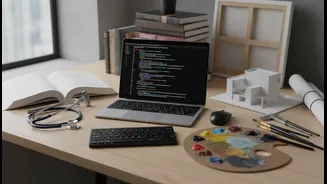
This trend is giving rise to the 'portfolio career,' where a professional's identity is a collection of skills and projects rather than a single job title. Imagine a software developer who spends her evenings working on freelance AI projects or a marketing manager who builds a personal brand as a financial literacy influencer on weekends. These aren't distractions; they are strategic investments. The freelance project builds cutting-edge skills that might not be available in her day job, while the influencer gig hones communication and branding expertise. This approach provides a safety net against job market uncertainty and allows professionals to explore different industries without leaving their primary role. In fact, some reports project that India's gig workforce will swell to 23.5 million by 2030, highlighting a structural shift toward project-based, flexible work.
Juggling Act or Burnout Trap?
Despite the benefits, the side hustle life is not without its significant challenges. The most common complaint is burnout. Juggling a demanding 9-to-5 job with a growing side business requires immense discipline and can take a toll on mental and physical health. Time management becomes a critical, and often stressful, daily battle. There's also the risk of potential conflicts with a primary employer, making it crucial for individuals to be aware of their employment contracts before embarking on a side venture. While the hustle can be rewarding, it demands a careful balancing act to ensure that the pursuit of a better career doesn't lead to personal exhaustion.
The Future of Work is a Hybrid
The rise of the strategic side hustle signals a permanent change in India's professional landscape. It’s a move away from the traditional, linear career path towards a more dynamic, multi-faceted approach to work. For young urban workers, a side hustle is an empowering tool for self-reliance, continuous learning, and personal branding in an uncertain economic climate. As more professionals embrace this model, employers too may need to adapt, recognising that their employees are building skills and experiences outside the office walls. This trend is not just about individuals earning more; it's about an entire generation redefining what a successful and fulfilling career looks like in the 21st century.