


The Unbreakable Rule: Master the Art of Layering
There’s a well-known saying across the Nordic region: 'There's no such thing as bad weather, only bad clothing'. This is the golden rule for any visitor. Weather can change in an instant, shifting from sunny to windy and wet with little warning. The secret
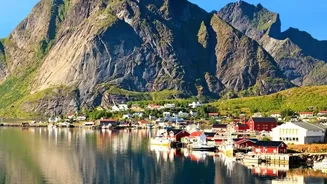
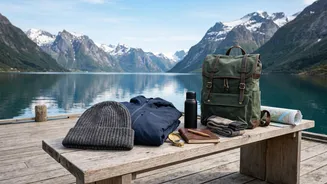
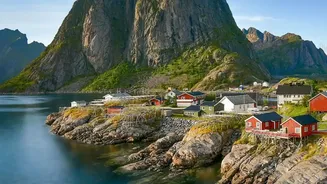
to comfort is layering. Your packing strategy should revolve around three core layers: a moisture-wicking base layer (like merino wool), an insulating mid-layer (such as a fleece or wool jumper), and a waterproof and windproof outer shell. This system allows you to adapt by adding or removing layers as conditions change, whether you're exploring a coastal village in Norway or a forest in Finland.
Spring (March-May): A Tale of Two Seasons
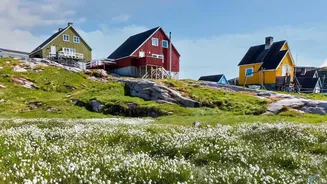
Spring in the Nordics is a season of dramatic transition. While southern Denmark might see tulips blooming in April, northern Sweden could still be covered in snow. Early spring often feels like a continuation of winter, but by May, temperatures become milder and daylight hours increase significantly. The main challenge is slush and rain from melting snow. Waterproof footwear is non-negotiable. While you might experience pleasant, sunny days, especially in May, be prepared for cold snaps and chilly winds. Pack warm layers, but ensure your outermost jacket is waterproof to handle the frequent spring showers. Temperatures can range from just above freezing to around 12°C (54°F).
Summer (June-August): Midnight Sun and Surprise Chills
Summer brings the glorious Midnight Sun to areas above the Arctic Circle and wonderfully long daylight hours everywhere else. Temperatures are pleasant, often hovering around 15-22°C (59-72°F), making it ideal for hiking, exploring archipelagos, and enjoying outdoor cafes. However, do not be fooled into packing only t-shirts and shorts. Evenings can get cool, especially in coastal or mountainous regions. Rain is also a common feature of Nordic summers; in fact, August can be one of the wettest months in cities like Stockholm and Copenhagen. Always pack a warm jumper and a waterproof jacket. If visiting Iceland's south coast or Norway's fjords, be prepared for strong coastal winds and cooler temperatures even in July.
Autumn (September-November): Golden Hues and First Frost
Autumn is a beautiful but brief season, painting the landscape in vibrant golds and reds. It's a quieter time to visit, with fewer crowds. However, the weather turns quickly. September might offer crisp, sunny days perfect for hiking, but temperatures drop steadily through October and November. Rainfall increases, and the first snows often arrive in the northern and inland regions. Daylight hours shrink rapidly. This is the season to embrace 'hygge'—the Danish concept of cosiness. Your packing should shift towards warmer gear: wool sweaters, thermal layers, and a reliable waterproof and windproof jacket are essential. By November, you'll need a proper winter coat, hat, and gloves in many areas.
Winter (December-February): The Magical Freeze
Winter in Nordic small towns is a magical experience, defined by snow-covered landscapes, festive lights, and the chance to see the Northern Lights. It is also, unsurprisingly, very cold. Temperatures can plummet to -20°C (-4°F) or even lower, especially in places like Finnish Lapland. Coastal areas in southern Denmark and Norway are milder but can be wet and windy. The key to enjoying winter is proper clothing. This means thermal base layers, wool mid-layers, an insulated and waterproof winter coat, and insulated, waterproof boots with good grip. Accessories are vital: a warm hat that covers your ears, a scarf, and warm gloves or mittens are not optional. Daylight is limited, especially in the north which experiences 'polar nights' with little to no sun, creating the perfect conditions for aurora hunting.