





A Festival of Flavors and Risks
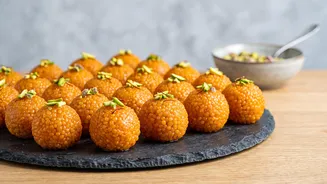
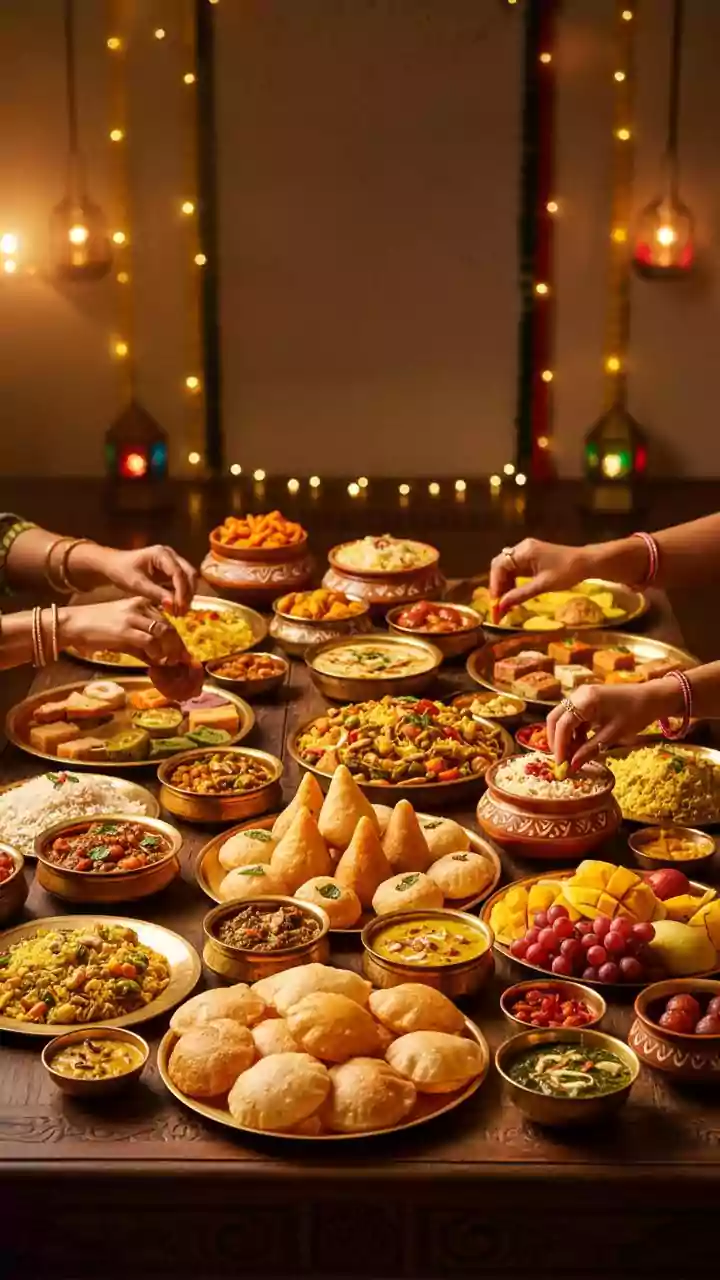
For hundreds of millions in India, the approach of autumn festivals like Navratri and Diwali signals a time of joy and indulgence. At the heart of these celebrations are an array of traditional foods, especially milk-based sweets known as 'mithai.' From
creamy 'barfis' to syrup-soaked 'gulab jamuns,' these treats are central to gifting and feasting. The demand becomes so immense that local sweet shops and large manufacturers operate around the clock. This surge, however, creates a powerful incentive for unscrupulous producers to cut corners. Food adulteration, a persistent issue in India, becomes rampant during this period. The country’s top food regulator, the Food Safety and Standards Authority of India (FSSAI), has highlighted that the sheer volume of production creates pressure points across the supply chain, increasing risks for consumers.
The Unsavory Ingredients of Adulteration
The primary targets for this festive fraud are high-demand, high-cost ingredients. Milk, the foundation of most sweets, might be diluted with water or, more alarmingly, with substances like starch and detergent to mimic its consistency. 'Khoya,' a form of dried evaporated milk solids crucial for many recipes, is frequently bulked up with starch. Ghee, or clarified butter, is often mixed with cheaper vegetable oils. Even the delicate silver foil ('vark') used for decoration can be replaced with hazardous aluminum foil. These adulterants not only cheat consumers but pose significant health risks, from simple stomach ailments to more severe conditions caused by non-permissible chemical dyes and contaminants. Recent enforcement actions have revealed the scale of the problem; in the Delhi region alone, authorities recently seized and destroyed thousands of kilograms of suspected adulterated 'khoya' and 'paneer' (a fresh cheese).
A Nationwide Coordinated Crackdown
In response, the FSSAI has launched a coordinated, nationwide effort. In a directive issued in late September 2026, the agency instructed food safety commissioners in every state and territory to intensify surveillance and enforcement ahead of Navratri and Diwali. The focus is squarely on milk and milk products, sweets, edible oils, and savory snacks. This isn't just about random checks. Authorities are targeting known "hotspots" and sensitive production hubs where adulteration is more likely. To aid these efforts, mobile testing labs called "Food Safety on Wheels" are being deployed to prominent marketplaces, allowing for on-the-spot testing and immediate action. Furthermore, all inspection data must now be uploaded to a central online system in real-time, creating a more robust tracking and accountability mechanism.
Empowering Consumers to Protect Themeselves
While regulators are on high alert, there's a growing push to empower consumers as the first line of defense. The FSSAI has been running public awareness campaigns, urging people to buy from licensed and reputable vendors. Simple advice includes checking for FSSAI license numbers on packaged goods, being wary of unusually bright colors in sweets which may indicate non-permitted dyes, and prioritizing shops that demonstrate good hygiene. Some initiatives even encourage citizens to report suspected violations through dedicated apps, turning millions of shoppers into food safety watchdogs. The ultimate goal is to foster a culture of quality and safety that extends beyond the annual festive crackdown, making safe food a year-round reality. This annual battle highlights a broader challenge for India: balancing cherished traditions with the demands of modern food safety in a vast and complex market.