




A Mission with a Global Crew
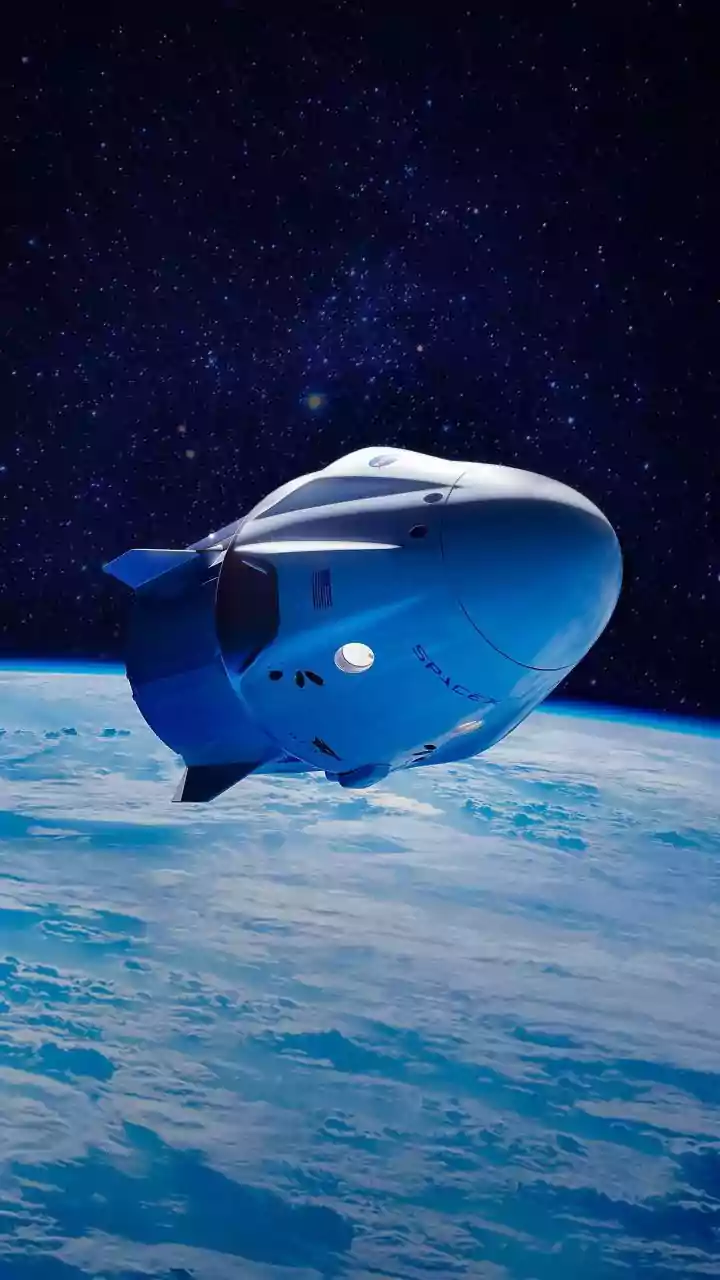
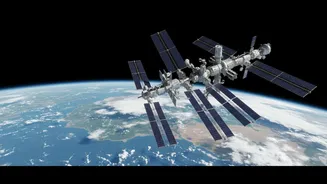
The Axiom Mission 4 (Ax-4), which launched in 2025, was a private spaceflight to the International Space Station (ISS) operated by Axiom Space. These missions allow nations, individuals, and researchers to access the unique microgravity environment of
the station. The crew included Indian Air Force Group Captain Shubhanshu Shukla, marking India's return to human spaceflight after more than 40 years. While the crew conducted a range of scientific experiments during their stay of over two weeks, a significant part of the mission for India involved testing something much closer to home: food.
Why Space Food is a Science
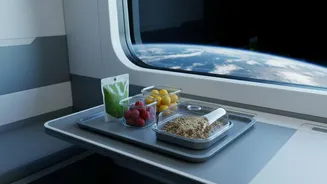
You can’t just pack a tiffin box for orbit. Food in space must meet incredibly strict criteria. It needs to be nutritious, lightweight, have a long shelf life, and be safe to eat in a zero-gravity environment. Crumbs are a major hazard, as they can float into and damage sensitive equipment. Furthermore, foods must be processed—often freeze-dried or thermostabilized—to prevent spoilage and ensure they can be easily rehydrated or heated. The entire system of food safety for spaceflight, known as the Hazard Analysis and Critical Control Points (HACCP), was pioneered by NASA and Pillsbury during the Apollo era to ensure missions were not jeopardized by foodborne illness. Getting a food item 'certified' means it has passed rigorous safety, nutritional, and palatability tests.
India's Cosmic Kitchen
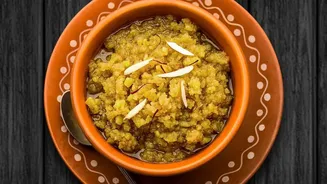
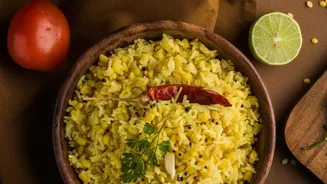
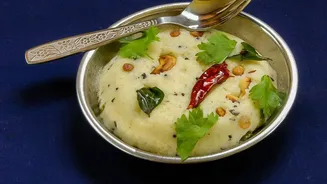
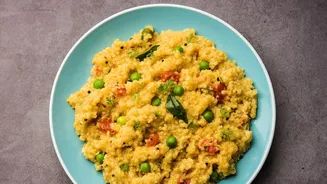
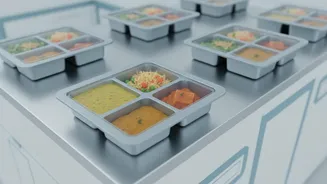
For decades, the Mysuru-based Defence Food Research Laboratory (DFRL), a lab under the DRDO, has been the pioneer of specialized food for India's armed forces. This expertise was naturally extended to India's ambitious human spaceflight program, Gaganyaan. Scientists at DFRL have been developing a diverse menu of over 30 Indian dishes, from idli sambar and vegetable biryani to moong dal halwa and veg rolls, all adapted for the harsh conditions of space. The goal is to provide Indian astronauts with familiar, comforting, and nutritious meals. The food is specially processed to be low-fragmentation and easy to digest, with reduced spice and oil content.
The Real Test in Orbit
The Ax-4 mission provided the first opportunity to test these indigenously developed foods in an actual space environment outside of lab simulations. Astronaut Shubhanshu Shukla carried a selection of Indian meals with him. While an extensive menu was prepared by DFRL, including items like khichdi and pulao, the rigorous testing and tight timelines meant only three items were officially certified for the flight: Moong Dal Halwa, Gajar ka Halwa, and Aamras (mango nectar). According to Shukla, the goal was to qualify as much food as possible, but the certification process is complex. These items were shared with the international crew, providing a literal taste of Indian culture aboard the ISS.
Paving the Way for Gaganyaan
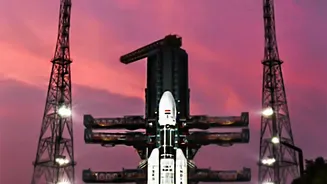
This successful test is a crucial validation for ISRO's Gaganyaan mission, which aims to send an Indian crew into orbit. Having a certified menu of familiar Indian foods is not just a matter of convenience; it's vital for the psychological well-being of astronauts on missions. Astronauts often report changes in taste and a craving for familiar, flavourful food. Following his mission, Shukla mentioned craving salty and spicy food, highlighting the importance of a varied and appealing menu. The experience from Ax-4 will help DFRL and ISRO refine more dishes and prepare a comprehensive food system for the Gaganyaan crew, ensuring that India's astronauts have a comforting taste of home as they make history.