
The Heartbeat of Malaysian Sweets
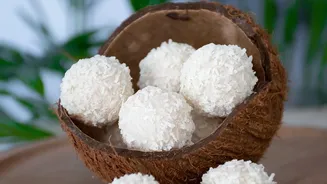
For generations, the soul of Malaysian dessert, or 'kuih', has been inextricably linked to the coconut. From the creamy milk (santan) that forms the base of countless recipes to the freshly grated flesh that provides texture and flavour, coconut is a versatile
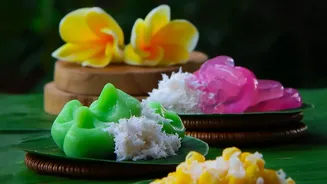
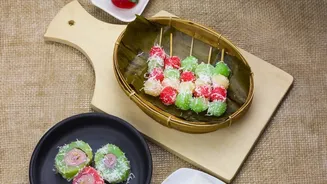
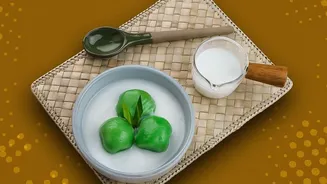
and cherished staple. Traditional kuih are often steamed or fried, sold at bustling morning markets and enjoyed as a daily teatime ritual. These bite-sized treats, with their vibrant colours derived from natural ingredients like pandan leaves, are a testament to the country's multicultural heritage, blending Malay, Chinese, and Peranakan influences.
The Reign of the Crisp Kuih
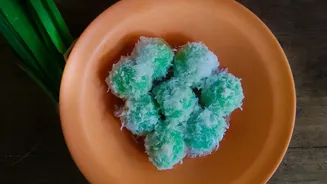
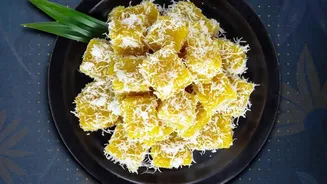
The headline's "crisp doughnuts" perfectly evoke classics like Kuih Keria. These are not doughnuts in the Western sense but are made from steamed sweet potato, mashed and formed into rings, then deep-fried to a delightful crispness before being coated in a crackly sugar glaze. Another beloved snack is Kuih Ketayap, a rolled pandan-green crepe filled with a sweet, moist mixture of grated coconut and gula melaka (palm sugar). These treats, along with chewy Onde-Onde and sticky Kuih Lopes, represent a category of desserts defined by their robust textures and deep, caramelised flavours—often enjoyed by hand and shared among family.
A Shift in Sweet Sensibilities
So, what's driving the move toward softer textures? The trend appears to be a fusion of global influences and a modern reinterpretation of tradition. A new generation of Malaysian bakers, many trained in Western patisserie techniques, are applying their skills to local flavours. This shift is also fuelled by café culture and the visual appeal demanded by social media, where a perfectly layered, elegantly decorated cake slice becomes an object of desire. While traditional kuih-making is a cherished art, often steamed and using rice flour, the modern bakery scene has embraced baking, butter, and leavening agents to create entirely new textures.
The Rise of the Soft Cake
Enter the era of the Pandan Gula Melaka cake. This dessert has become a modern classic in Malaysian cafes and bakeries. It typically features light, fluffy pandan chiffon sponge layers, sandwiching fillings of gula melaka-infused cream or caramel, and often studded with desiccated coconut. Unlike its fried predecessors, this cake is all about softness, airiness, and a more subtle sweetness. Variations abound, including burnt cheesecakes with a pandan twist, layered crepe cakes, and delicate coconut mousse creations that borrow from French pastry but remain distinctly Malaysian in their flavour profile.
Tradition Reimagined, Not Replaced
This evolution isn't about erasing the past but building upon it. Modern bakers are deconstructing the elements of classic kuih and reassembling them in innovative forms. The core combination of pandan and coconut, a flavour pairing as iconic to Malaysia as any, remains at the heart of these new cakes. Some creations are direct homages, with cakes designed to taste like a sophisticated version of Onde-Onde. This trend shows that the foundational flavours of Malaysian cuisine are strong enough to adapt and thrive in new formats, appealing to both nostalgic locals and curious international palates.