




A Sudden Jolt of Reality
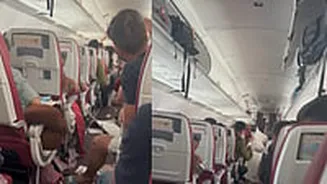
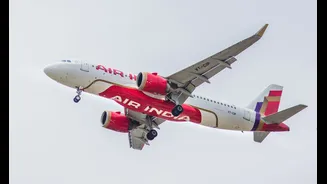
An Air India flight from Phuket to Delhi recently experienced a sudden drop in altitude, leading to severe turbulence that injured several passengers and crew members. The incident, which occurred during the cruise phase of the flight, underscores a crucial
reality of air travel: violent, unexpected air movements can happen at any time. In such events, anything—or anyone—not secured is at risk. Passengers and crew who are not buckled in can be thrown against the cabin ceiling or walls, leading to serious injuries like fractures and head trauma. While turbulence-related fatalities are very rare, injuries are the most common consequence, making these events a serious concern for aviation safety. The recent incident serves as a stark, real-world example of why in-flight safety protocols are so important.
The Invisible Threat: Clear-Air Turbulence
Many people associate turbulence with stormy weather and flashing lightning outside the window. While thunderstorms are a major cause of bumpy air, the most insidious type is often invisible: Clear-Air Turbulence, or CAT. CAT occurs in cloudless, clear skies, often near jet streams where large air masses moving at different speeds collide. This creates chaotic, unpredictable eddies of air. The critical danger of CAT is that it cannot be detected by conventional weather radar on board aircraft. This means pilots have little to no advance warning to turn on the seatbelt sign before the aircraft starts to shake violently. This element of surprise is precisely why so many injuries occur; passengers and crew might be walking in the aisle or simply have their seatbelts unbuckled, believing the calm, clear skies mean the flight is smooth.
Rethinking the Seatbelt Warning Light
For decades, travellers have been conditioned to a simple routine: buckle up when the seatbelt sign is on, and feel free to unbuckle as soon as it chimes off. However, aviation experts, pilots, and flight attendants have long argued that this mindset needs to change. The seatbelt sign should be seen as a final, urgent command, not the only time you should be secured. As retired airline pilot Doug Moss has stated, even when the air is smooth, a pilot may have the sign on because they anticipate turbulence ahead. Conversely, the absence of the sign does not guarantee smooth air, as Clear-Air Turbulence proves. Relying solely on the light for your safety is like only looking for rain when you see dark clouds; sometimes, the storm arrives with no warning at all.
The New Default: Buckled Whenever Seated
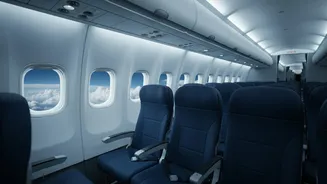
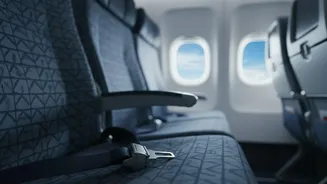
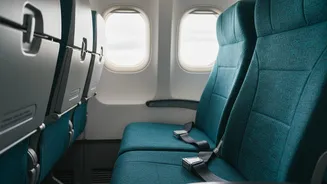
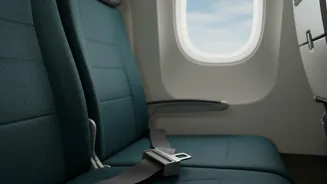
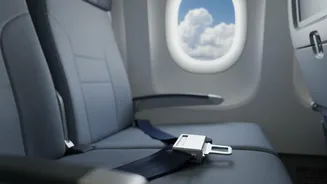
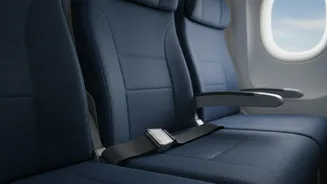
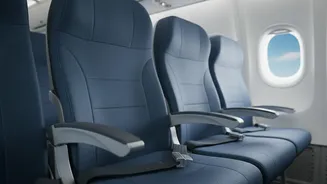
The single most effective way to protect yourself from turbulence-related injury is remarkably simple: keep your seatbelt fastened whenever you are in your seat. This is the consistent advice from safety bodies like the U.S. Federal Aviation Administration (FAA) and from experienced flight crews around the world. Adopting this as your default habit changes the safety equation entirely. It doesn't mean you have to be cinched down tightly for the entire flight. Pilots themselves often keep the lap belt loosely fastened during cruise. The key is that the belt is engaged, ready to hold you in place against any sudden vertical G-forces. This simple, low-effort action transforms your seat into a safety shell, mitigating almost all personal risk from even severe, unexpected turbulence.
What the Crew Knows
Flight attendants are disproportionately injured in turbulence events because their jobs require them to be on their feet. This gives them a unique perspective on the dangers of being unsecured. They are trained to prioritize safety and repeatedly advise passengers to stay seated and buckled up. As Sara Nelson, a prominent flight attendant union president, has emphasized, following crew instructions and wearing your seatbelt is a matter of life and death. Airlines and regulators are constantly exploring better ways to predict and manage turbulence, but no technology can completely eliminate the threat. Therefore, the most reliable safety tool on any aircraft remains the one attached to your seat.