



The Enduring Love for Avalakki
Flattened rice, known as avalakki in Kannada, is more than just an ingredient; it's a cornerstone of Karnataka's culinary culture. From the tangy Gojju Avalakki, reminiscent of tamarind rice, to simpler preparations served as temple prasadam, this versatile
food is a beloved staple. It is celebrated for its simplicity and the ease with which it can be transformed into a hearty breakfast or a light snack. Different regions within the state, such as Mangaluru, Malnad, and Mysuru, have their own distinct styles, showcasing a rich diversity in preparation and flavour. This adaptability has cemented its place in households and breakfast stalls across the region.
A Refreshing Twist: Southekayi Avalakki
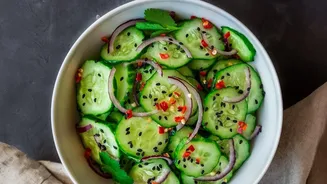
Enter Southekayi Avalakki, a delightful variation that stands out for its freshness and simplicity. 'Southekayi' means cucumber in Kannada, and as the name suggests, this dish brings the cooling crunch of fresh cucumber to the soft, absorbent texture of flattened rice. Unlike many other poha dishes, this version often requires no cooking at all, making it an incredibly quick and convenient meal. The preparation typically involves mixing soaked poha with grated or finely chopped cucumber, fresh coconut, and a handful of herbs and spices. The moisture from the cucumber itself is often enough to soften the rice flakes, infusing them with a subtle, refreshing flavour.
A Symphony of Flavours and Textures
The magic of Southekayi Avalakki lies in its beautiful balance of tastes and textures. The dish is a vibrant mix of soft soaked poha, the crisp juiciness of cucumber, the nutty richness of grated coconut, and the fresh aroma of coriander leaves. A simple tempering, or 'oggarane', of mustard seeds, curry leaves, and sometimes green chillies or lentils, adds a layer of savoury complexity. A final squeeze of lemon juice provides a tangy finish that brightens all the flavours. Some recipes also include peanuts for an extra crunch. The result is a dish that is light yet satisfying, and incredibly flavourful without being heavy.
The Perfect Dish for Indian Summers
With its high water content, cucumber is naturally hydrating and cooling, making Southekayi Avalakki an ideal choice for warm weather. It's a healthy, guilt-free meal that is low in calories and can be prepared with minimal oil. The no-cook aspect is a huge advantage, keeping the kitchen cool and cutting down preparation time to mere minutes. This makes it a perfect solution for a quick breakfast on a busy morning, a light lunch, or a revitalising evening snack. Its health benefits are notable, as cucumbers provide essential vitamins and fibre, while poha is a good source of healthy carbohydrates and is easy to digest.
Making It Your Own
While the core ingredients remain consistent, Southekayi Avalakki is wonderfully customisable. The choice of poha is important; thin poha works best for no-cook versions as it softens easily, while thicker varieties might need a quick rinse and soak. You can adjust the spice level by adding more or fewer green chillies. Some variations incorporate finely chopped onions or tomatoes for added flavour and texture. For an even richer taste, you can garnish with grated carrots or pomegranate seeds, which add a pop of colour and a hint of sweetness. Feel free to experiment with the tempering by adding urad dal or chana dal for more crunch.