




Bhoger Khichuri: The Divine Offering
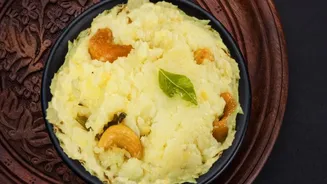
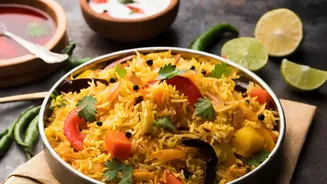
Maha Ashtami, one of the most significant days of Durga Puja, is gastronomically defined by Bhoger Khichuri. This isn't just any khichuri; it's a sacred offering made without onion or garlic, prepared with roasted moong dal and fragrant Gobindobhog rice.
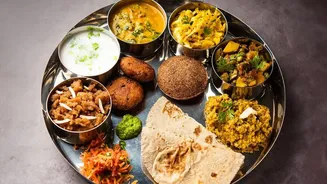
Cooked in large cauldrons at community pandals, this soulful, golden-hued dish is slow-cooked with vegetables like cauliflower and peas, creating a comforting aroma that spells pure devotion. It’s first offered to the Goddess Durga and then distributed to devotees as prasad. Partaking in the Ashtami bhog is an act of community, where thousands gather to share a meal that symbolises unity and divine grace, often served with a side of labra, a flavourful mixed vegetable curry.
Luchi and Alur Dom: The Festive Breakfast
While Bhoger Khichuri rules the community lunch, the quintessential festive breakfast throughout Puja is Luchi and Alur Dom. Luchis are deep-fried, fluffy white breads made from refined flour that puff up into golden orbs. They are the perfect vehicle for Alur Dom, a slow-cooked potato curry that is both spicy and slightly sweet. The baby potatoes are simmered in a rich gravy of tomatoes, ginger, and aromatic spices, often cooked in mustard oil which gives it a distinct, pungent flavour characteristic of Bengali cuisine. This combination is more than a meal; it's an emotion, a nostalgic taste of home and celebration that kicks off a day of pandal hopping and festivities.
Kosha Mangsho: The Navami Feast
After the vegetarian offerings of Ashtami, Maha Navami often signals a return to non-vegetarian indulgence for many families. The star of this feast is undoubtedly Kosha Mangsho, a rich, slow-cooked mutton curry. The word 'kosha' means to sauté over a long period, and that is the secret to this dish's incredible depth of flavour. Mutton pieces are patiently browned with onions, ginger-garlic paste, and a blend of spices until the meat is tender and the gravy is a thick, dark, and velvety coating. It is a dish that requires patience and love, making it a fitting centrepiece for a special family meal on one of the final days of the Puja. It's traditionally served with luchis or a fragrant basanti pulao.
Ilish Macher Paturi: A Bengali Delicacy
No Bengali festival is truly complete without celebrating the region's love for fish, and during Durga Puja, Ilish (Hilsa) often makes a grand appearance. Ilish Macher Paturi is a classic preparation where fillets of the prized Hilsa fish are marinated in a pungent paste of mustard, coconut, and green chillies. Each fillet is then wrapped in a banana leaf, creating a small parcel, which is then steamed or pan-fried. This cooking method allows the fish to cook in its own juices, infusing it with the sharp, aromatic flavours of the mustard paste while retaining its incredible tenderness. The unwrapping of the leaf at the dining table releases a fragrant cloud of steam, revealing the succulent fish within, making it a true festive delicacy.
Mishti Mukh: Sweets for Bijoya Dashami
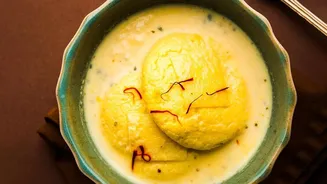
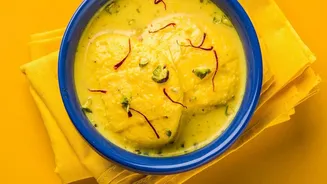
Durga Puja culminates with Bijoya Dashami, a day of bittersweet farewells as the idols of the goddess are immersed. This farewell is sweetened by the tradition of 'mishti mukh', or offering sweets to friends and family. Homes are stocked with an array of traditional Bengali sweets. Iconic choices include Sandesh, a delicate sweet made from fresh chhena (cottage cheese), and Rosogolla, spongy cheese balls soaked in a light sugar syrup. Another beloved treat is the Narkel Naru, which are sweet coconut laddoos made with either jaggery or sugar. This exchange of sweets symbolises the sharing of joy, the mending of relationships, and the wish for a sweet year ahead, perfectly capturing the spirit of 'Shubho Bijoya' (auspicious victory).