




A Colourful Marvel in the Cold Desert
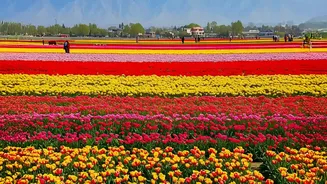
In a remarkable feat of high-altitude agriculture, the Ladakh administration has unveiled two sprawling flower fields in Leh, transforming 40 acres of barren land into a breathtaking floral spectacle. Located at Choglamsar and Stakna, these twin gardens
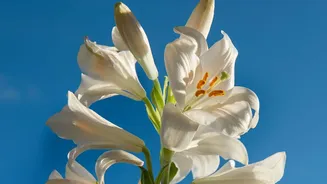
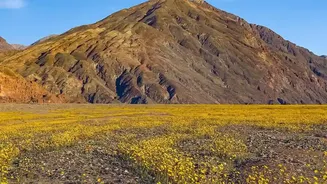
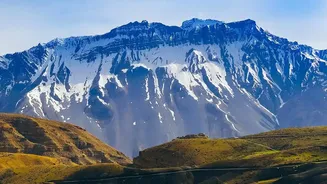
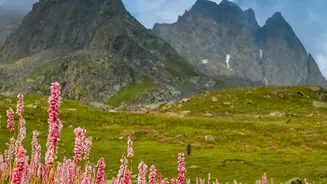
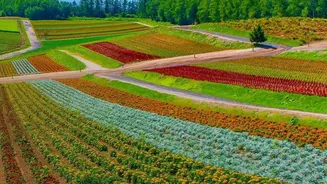
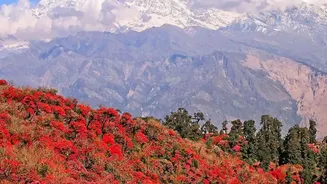
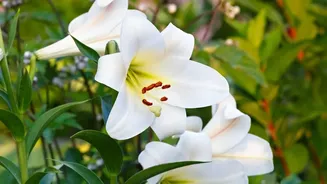
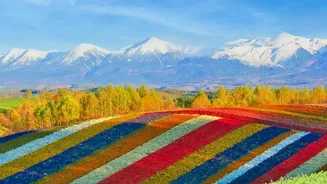
are home to over 2.5 million flowers, primarily Lilium and Gladiolus varieties. Inaugurated in September 2026, the project has been hailed as the world's highest-altitude twin flower fields and represents a significant new attraction for the region. The sight of millions of blooms against the stark, majestic backdrop of the Himalayas offers a unique visual experience, adding a new dimension to Ladakh's iconic landscape.
The Twin Locations: Choglamsar and Stakna
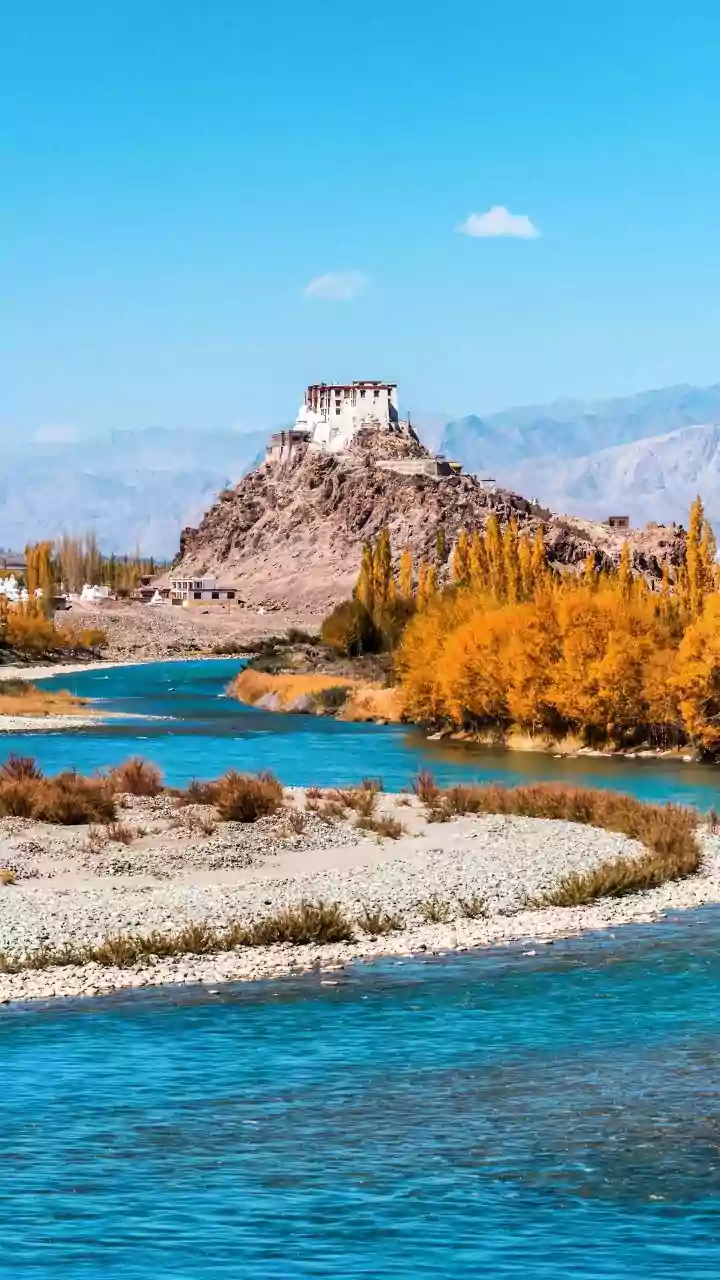
The two sites, while part of a single initiative, have distinct characteristics and timelines. The garden at Choglamsar was developed in an impressive two months, with plantation beginning in mid-July and the first flowers appearing by early September. The Stakna site, where planting of nearly 1.4 million Lilium bulbs began in August, is expected to reach full bloom towards the end of October. This staggered approach ensures a longer flowering season for visitors to enjoy. Both gardens are strategically located near Leh along the Indus River corridor, making them accessible to tourists and locals alike. To ensure their upkeep, a nominal entry fee of Rs 25 for adults and Rs 10 for children has been put in place.
More Than Just a Pretty View
While the visual appeal is undeniable, the gardens serve a deeper purpose. This ambitious project is a cornerstone of the administration's plan to boost the local economy, diversify agriculture, and create new livelihood opportunities. The initiative aims to establish commercial floriculture as a viable income source for Ladakhi farmers, who have traditionally faced a short growing season and harsh conditions. The Choglamsar park is designed to function as a training and demonstration centre, where farmers, youth, and local Self-Help Groups (SHGs) can learn modern cultivation techniques for high-value flowers like Liliums, Gladioli, and Tulips.
From Local Blooms to National Markets
The economic potential of this initiative is already becoming clear. Lilium flowers cultivated here command premium prices in national markets, fetching between Rs 60-70 per stem wholesale. In late September 2026, the first commercial consignment of 15,000 'A-grade' Lilium stems from the Choglamsar field was dispatched to major markets in Delhi, Mumbai, and Chandigarh. This marked a historic moment, proving that high-altitude floriculture can be a successful enterprise for the region. The project also provides direct employment, with local women earning daily wages for cutting, sorting, and packaging the flowers. The administration plans to eventually hand over the developed fields to farmer cooperatives for commercial utilisation.
A Blueprint for a Greener Future
Supported by technical expertise from the CSIR-Institute of Himalayan Bioresource Technology (CSIR-IHBT), the project is a model for sustainable development in a fragile ecosystem. Its success is seen as a blueprint that could be replicated in other parts of Ladakh, including Kargil, Drass, and Zanskar. By leveraging the region's unique climatic conditions, the administration hopes to position Ladakh as an emerging hub for premium floriculture. These gardens are not just about growing flowers; they are about cultivating opportunities, empowering local communities, and reshaping the economic and visual landscape of this incredible high-altitude desert.