


Understanding Kesar's Magic
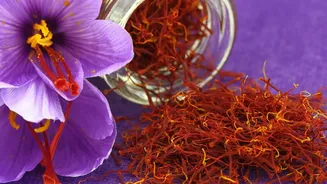
Saffron, or kesar as it's lovingly called in many Indian households, is prized for good reason. It’s derived from the delicate stigma of the Crocus sativus flower, and each bloom produces only three threads. It takes thousands of flowers, all harvested
by hand, to produce even a small amount. But its value isn't just in its rarity; it's in its chemistry. Three main compounds give saffron its power: crocin for that brilliant golden colour, picrocrocin for its unique bitter taste, and safranal for its distinct, hay-like aroma. Understanding these components is the first step to using saffron correctly. Crocin is water-soluble, which is why saffron works so well in liquids like milk or broth. Without activating these compounds, you're missing out on the very essence of the spice.
The Art of a Proper Infusion
The single biggest mistake in cooking with saffron is adding the dry threads directly to your food. This common error leads to uneven colour and a fraction of the potential flavour. To truly unlock saffron's potential, you must infuse it first. This process, often called 'blooming', involves steeping the threads in a warm liquid. Simply crush a small pinch of saffron threads, perhaps between your fingers or with a mortar and pestle, and soak them in a few tablespoons of warm—not boiling—water, milk, or broth for at least 15-20 minutes. Using boiling liquid can actually destroy the delicate aromatic compounds, particularly safranal, robbing you of that signature scent. You’ll know it’s working when the liquid turns a deep, vibrant golden-orange. Both the liquid and the threads should then be added to your dish.
Patience Brings the Golden Reward
The headline says it all: saffron needs time. Dropping the threads into a dish in the last few minutes of cooking is not enough. The compounds that provide colour and flavour need sufficient time to dissolve and release from the thread into the liquid. Think of it like making a good cup of tea; the leaves need time to steep to develop a rich flavour. Rushing the process will only give you a pale imitation of what could be. For the best results, some chefs will let premium saffron infuse for up to two hours or even overnight. While 15-20 minutes is a good minimum, allowing it to steep for longer will almost always yield a deeper colour and a more complex, well-rounded flavour profile that permeates the entire dish evenly.
Colour First, Sweetness Later
The relationship between saffron and honey in a dish is all about timing and balance. Saffron’s flavour is delicate, earthy, and slightly floral, with a characteristic bitterness from picrocrocin. Honey, on the other hand, is a powerful sweetener whose flavour can easily dominate. If you add a strong honey too early or in large quantities, it can completely mask saffron's subtle notes. A better approach is to allow the saffron's colour and base flavour to infuse into the dish first. Then, add honey towards the end of the cooking process to add sweetness. This layering of flavours ensures that you get the best of both worlds: the beautiful golden hue and complex aroma of saffron, complemented by the gentle sweetness of honey. In some applications, like glazes or syrups, they can be combined after the saffron has been properly bloomed in water first.
Perfect Pairings and Indian Delights
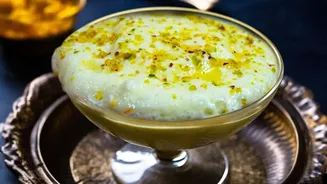
Once you've mastered the infusion technique, a world of culinary possibilities opens up. In Indian cuisine, saffron is the soul of many celebratory dishes. Add your saffron-infused milk to kheer, phirni, or rabdi for a luxurious dessert. A pinch of bloomed saffron gives shrikhand and kesari bath their signature colour and name. It is essential in royal Mughlai dishes like biryanis and kormas, where its golden colour and subtle aroma are a hallmark of authenticity. But its use isn't limited to traditional fare. A saffron-infused liquid can be whisked into a simple vinaigrette, stirred into risotto, or used to poach fruit. Even a simple cup of tea can be elevated with a few strands steeped in warm water.