





The New Protein-Powered Aisle
The Indian grocery basket is undergoing a quiet revolution. Everyday items are getting a protein-packed makeover. Dairy giant Amul, for instance, has launched high-protein versions of lassi, buttermilk, and even kulfi. Meanwhile, snack aisles are now
crowded with protein chips, roasted makhana, and fortified millet cookies from brands new and old. This trend has moved protein from a niche product for gym-goers to a mainstream ingredient for the entire family. Quick commerce platforms have seen a staggering 150% surge in protein-related orders, showing just how rapidly consumers are buying into this trend. It’s clear that from breakfast to midnight snacks, protein is no longer just a nutrient; it's a primary selling point.
Why the Sudden Hunger for Protein?
Several factors are fuelling this nationwide protein push. A major driver is a growing health consciousness, accelerated by the pandemic, with consumers actively seeking foods that boost immunity and overall wellness. Many Indians are becoming aware of the 'protein gap' in traditional carb-heavy diets, and the food industry is responding. Furthermore, rising disposable incomes and fast-paced urban lifestyles have created a demand for convenient, on-the-go nutrition. People don't just want a quick snack; they want a 'guilt-free' indulgence that aligns with their fitness and wellness goals. This has created the perfect storm for brands to fortify everyday products and market them as a smart, healthy choice.
From Niche Fitness to Family Wellness
Not long ago, large tubs of whey protein were almost exclusively found in the bags of bodybuilders. Today, the target audience is far broader. The marketing has shifted from building muscle to promising holistic family health. This 'democratisation' of protein means products are now aimed at everyone from busy professionals needing a quick energy boost to parents seeking nutritious options for their children. The trend is also no longer confined to metros like Bengaluru, which remains a major hub; demand in Tier-II cities like Nagpur, Jaipur, and Chandigarh is growing over 200% faster. This signals a fundamental, nationwide shift where 'better-for-you' is becoming the new baseline for consumers from all walks of life.
The Marketing of 'Better'
The language used to sell these products is as important as the ingredients. Brands are using powerful, positive words like 'active', 'strong', 'energy', and 'guilt-free' to frame their offerings. This marketing strategy transforms a simple packet of chips or a cookie into a functional food that contributes to a healthier lifestyle. Some brands, like McDonald's in South India, have even introduced add-on protein slices for their burgers, explicitly marketing the nutritional benefit over calorie counts. This focus on fortification allows consumers to feel they are making a proactive choice for their health, even when consuming what was traditionally considered a treat. The goal is to integrate protein seamlessly into culturally familiar formats, making it both accessible and desirable.
Reading Between the Labels
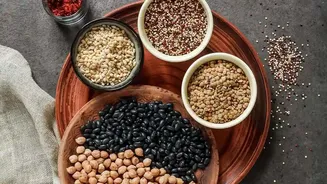
While the increased availability of protein-fortified foods offers more choice, it's wise to remain a discerning consumer. The 'high-protein' claim on the front of the package doesn't always tell the full story. It's important to read the nutritional label on the back to check for hidden sugars, unhealthy fats like palm oil, and high sodium levels, which can sometimes accompany the added protein. Experts suggest aiming for snacks with at least 10 grams of protein per 100-gram serving to be considered genuinely high-protein. Ultimately, while fortified snacks can be a convenient supplement, they are not a replacement for the natural, whole-food sources of protein that form the foundation of a balanced diet, such as dals, legumes, paneer, and eggs.