




A New Chapter with Wide-Body Ambitions
The foundation for this strategic shift was laid with IndiGo's landmark order for 30 firm Airbus A350-900 aircraft, with purchase rights for 70 more. This move marks the airline's official entry into the wide-body aircraft segment, a clear signal of its
intent to compete on long-distance international routes. Deliveries for these new jets are slated to begin in 2027, equipping IndiGo with aircraft capable of non-stop flights to Europe, Asia, and beyond. CEO Pieter Elbers has described the order as a "historic moment" that will shape the future of both IndiGo and Indian aviation, positioning the airline to become a leading global player.
Beyond the No-Frills Model
For years, IndiGo built its empire on a simple, effective formula: a single class of economy seats on a uniform fleet of narrow-body Airbus A320s. This model maximized efficiency and kept fares low, helping IndiGo capture over 60% of the domestic market. However, the A350 order confirms a departure from this identity. The airline has confirmed the new aircraft will feature a two-class configuration, a necessity for competing in the lucrative long-haul business travel market. This isn't just about adding bigger seats; it's a fundamental pivot towards a hybrid model that caters to both budget-conscious flyers and premium passengers seeking comfort on flights longer than eight hours.
What to Expect Onboard: Lie-Flat Seats
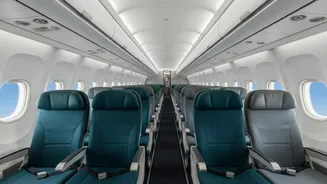
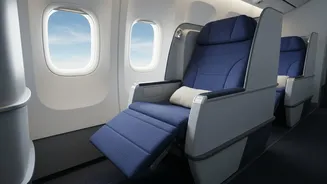
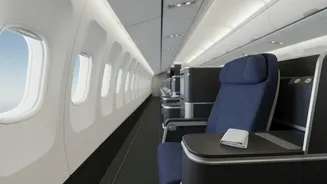
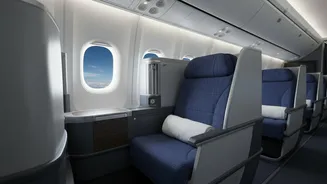
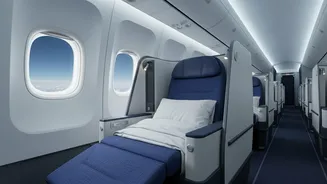
While the final design is still under wraps, recent reports suggest IndiGo's A350s will feature a cabin with 16 lie-flat business class seats, 28 premium economy seats, and 333 economy seats. Lie-flat seats are the gold standard for long-haul business class, allowing passengers to sleep comfortably on overnight flights. This feature alone catapults IndiGo into direct competition with full-service carriers like Air India and Vistara. By keeping the premium cabins relatively small and maintaining a high density in economy, the airline aims to strike a balance: offering a competitive premium product while leveraging its low-cost structure to keep overall fares aggressive.
The European Gambit
Europe is the primary target for IndiGo's new long-haul venture. The range and efficiency of the A350-900 make key European hubs like London, Paris, Amsterdam, and Frankfurt prime potential destinations from Indian metros such as Delhi and Mumbai. The airline has already been experimenting with long-haul routes using damp-leased Boeing 787 aircraft, but owning its own wide-body fleet provides long-term stability and control over the passenger experience. This expansion is designed to capture the growing demand from business travellers, students, and tourists flying between India and Europe.
Shaking Up the Competitive Landscape
IndiGo's entry into the premium long-haul space is a direct challenge to the Tata Group's airlines, particularly Air India, which is undergoing its own massive fleet and service overhaul. For decades, Air India was the default Indian carrier for non-stop flights to Europe and North America. Now, it faces a formidable domestic rival with a reputation for operational efficiency and on-time performance. This intensified competition is expected to have a significant impact on the market. For travellers, it could mean more choice, better connectivity, and potentially lower fares, even in business class, as the two aviation giants vie for dominance on India's most prestigious international routes.