

Durga Puja is a feast for the senses, a whirlwind of drum beats, incense, and vibrant colour. But at its heart, it's a celebration of community and homecoming, a feeling best expressed through its legendary food.
Bhoger Khichuri: The Divine Offering
No Durga Puja experience is complete without
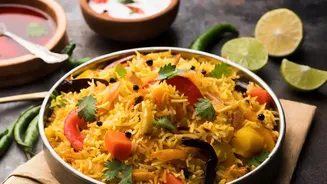
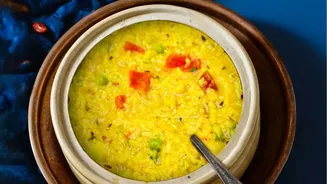
Bhoger Khichuri. This isn't just any khichuri; it's a sacred offering to the goddess, marking the spiritual peak of the festivities, especially on Ashtami. Prepared without onion or garlic, this sattvik dish is made from fragrant Gobindobhog rice and roasted moong dal, simmered with seasonal vegetables like cauliflower and peas. The result is a fragrant, comforting, and deeply flavourful dish that transcends its simple ingredients. It symbolises community, as thousands line up at pandals to receive it as prasad, a blessed portion that connects devotees to the divine and to each other.
Luchi and Alur Dom: The Festive Breakfast
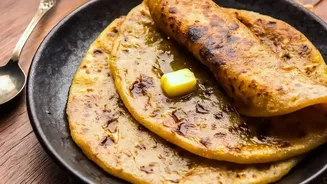
For many Bengalis, the festive mornings of Durga Puja begin with the classic combination of Luchi and Alur Dom. Luchis are soft, white, deep-fried puffed breads made from refined flour, distinct from the whole-wheat puri. They are the perfect, pillowy vehicle for Alur Dom, a slow-cooked potato curry. This isn't just a simple potato dish; it's a rich, spicy, and often slightly sweet preparation where baby potatoes are simmered in a gravy of tomatoes, yoghurt, and aromatic spices. This quintessential breakfast sets a joyous and indulgent tone for a day of pandal hopping and celebration.
Kosha Mangsho: The Celebratory Indulgence
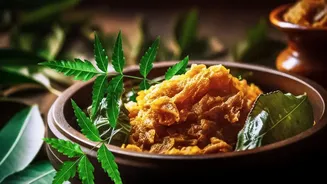
While bhog is strictly vegetarian, Durga Puja feasts are also known for their decadent non-vegetarian fare, and nothing says celebration quite like Kosha Mangsho. The word 'kosha' refers to the slow-cooking process where mutton (goat meat) is patiently braised with spices over a low flame for a long time, allowing the meat to become incredibly tender and the gravy to develop a rich, dark, and complex flavour. Traditionally served on days like Navami, it represents the grand, indulgent side of the festival. This dish is more than just a meal; it's an emotion, a centrepiece for family gatherings that fill the home with an unmistakable festive aroma.
Labra: The Harmony of Vegetables
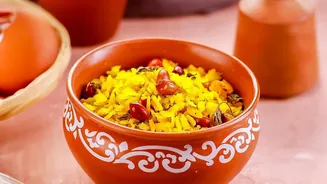
Often served alongside Bhoger Khichuri, Labra is a unique mixed vegetable dish that embodies the spirit of togetherness. It's a medley of seasonal vegetables like pumpkin, eggplant, potatoes, and spinach, all cooked together until soft. What sets it apart is the use of 'panch phoron'—a traditional Bengali five-spice blend of cumin, fennel, mustard, nigella, and fenugreek seeds. This gives the dish its distinctive flavour. Labra is a celebration of seasonal bounty and represents unity in diversity, with different vegetables coming together to create a single, harmonious dish, much like the community itself during the Puja.
Sondesh and Mishti: The Sweet Finale
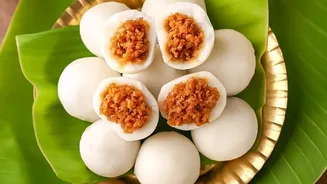
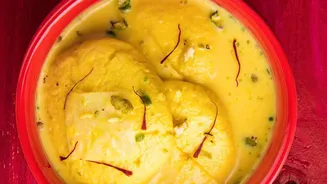
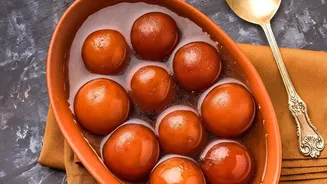
A Bengali festival is unimaginable without its sweets, or 'mishti'. Durga Puja is the time for sweet shops to display their finest creations, but Sondesh holds a special place. Made from fresh 'chhena' (cottage cheese), this delicate sweet can be moulded into various shapes and comes in many flavours. Along with classics like the syrupy Rosogolla, Mishti Doi (sweetened yoghurt), and Narkel Naru (coconut ladoos), these sweets are integral to the celebration. They are offered as bhog, shared among family and friends, and serve as the perfect, sweet conclusion to a festive meal, embodying the joy and sweetness of the occasion.