





A Familiar Tragedy Unfolds
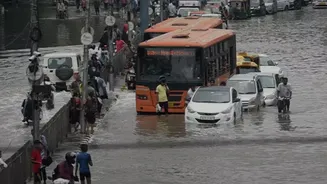
In early August 2026, torrential monsoon rains lashed Kerala, triggering devastating floods and landslides across the state. The death toll climbed steadily, with officials confirming over 25 fatalities and several people missing. Rivers overflowed, homes
were inundated, and thousands of people were forced to abandon their homes for the safety of over 400 relief camps. The districts of Pathanamthitta and Kottayam were among the worst affected. As rescue operations continued, the focus quickly shifted from the immediate crisis to the series of events that led to it, reigniting a contentious debate about disaster preparedness.
The Core of the Criticism
At the heart of the controversy are the warnings issued by the India Meteorological Department (IMD). Critics, led by Kerala's Chief Minister V.D. Satheesan, argue that the alerts did not accurately reflect the sheer intensity of the impending downpour. They claim that while the IMD had an Orange Alert in place, many districts were already experiencing rainfall of Red Alert intensity. This discrepancy, they argue, left authorities with insufficient time to execute large-scale evacuations and prepare for the deluge. Critics allege that by the time a Red Alert was officially announced for some areas, severe flooding and damage had already occurred. The state government has firmly placed the onus on the central agency, stating that it can only disseminate the warnings it receives.
IMD's Defence: A Science of Limits
The IMD has pushed back against these allegations, denying any lapse in its forecasting. Officials state that alerts were indeed issued for all districts at least two days in advance. They attribute the disaster to the unpredictable and highly localised nature of the rainfall, with some areas experiencing sudden cloudbursts that are notoriously difficult to predict with pinpoint accuracy. IMD Director Neetha K. Gopal explained that flash floods occurred because the saturated hilly regions could not drain the massive volume of water. Experts have pointed out that the weather system intensified unexpectedly, a phenomenon they describe as a limitation of current forecasting science rather than an outright failure of the agency.
A System Under Scrutiny
The recurring blame game highlights a deeper, more systemic issue that extends beyond just weather forecasting. Disaster management experts argue that while accurate warnings are crucial, they are only one link in the chain of preparedness. Even with a perfect forecast, the information needs to be communicated effectively, and on-the-ground agencies must be able to act on it. The latest floods have once again raised questions about the effectiveness of the entire disaster management architecture, from state and district authorities to local bodies. The debate is shifting from simply blaming the forecaster to examining the resilience of the entire response system.
Déjà Vu: Lessons from the Past
This is not a new conversation for Kerala. The state has been grappling with increasingly frequent and intense monsoon events for years, most notably the catastrophic floods of 2018. That disaster prompted significant investment in strengthening the Kerala State Disaster Management Authority and improving early warning systems. However, each subsequent flood season demonstrates that these improvements may not be enough to counter the twin challenges of a changing climate and ecological vulnerability. Experts stress that decades of unsustainable land use, deforestation, and degradation of natural flood defences like wetlands and paddy fields have made the state far more susceptible to such calamities.