





From Digital Noise to Forest Murmurs
Forget the frantic rush of airports and the endless scroll of social media feeds. The new-age family vacation is trading screen time for green time. There is a discernible shift in what families are seeking from their time off together. Recent travel
trends show a rising demand for destinations that offer wellness, outdoor experiences, and a genuine escape from urban chaos. This isn't just about a change of scenery; it's a change of pace. Families are intentionally choosing quiet, eco-conscious stays where the goal is not to see everything, but to experience a few things deeply. The focus has moved from consumption-driven tourism to connection-centric travel, where building memories takes precedence over building a photo album for social media.
The Magic of the Monsoon
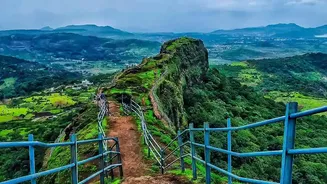
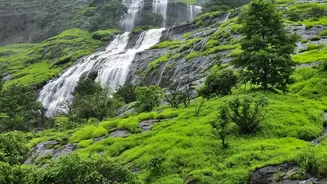
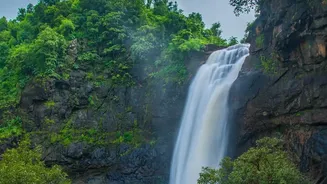
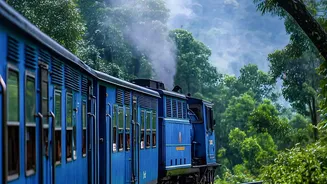
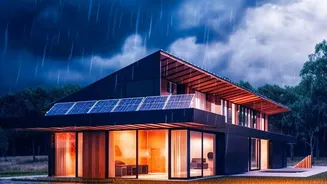
For years, the monsoon was considered the off-season for travel. Today, it’s the main attraction. The rainy season transforms India's landscapes into lush, vibrant wonderlands. Destinations in the Western Ghats like Coorg, Wayanad, and Lonavala, as well as hill stations like Mussoorie, are seeing a significant surge in interest. Resorts in these areas come alive with replenished waterfalls, mist-covered hills, and thriving forests. The advantages are clear: fewer crowds, often lower prices, and the unique beauty of a rain-washed world. It's a sensory experience—the smell of wet earth, the sound of rain on a cottage roof, and the sight of landscapes bursting with life create an atmosphere of unparalleled tranquility.
A Classroom Without Walls
One of the most compelling reasons for this shift is the immense benefit for children. These retreats are becoming outdoor classrooms where learning is hands-on and immersive. Disconnecting from gadgets allows kids (and adults) to reconnect with the world around them. Many nature-focused resorts offer curated activities led by naturalists and ecologists. Families can participate in guided nature walks to discover local flora and fauna, learn about organic farming, try their hand at pottery, or go on thrilling night walks to see the forest's nocturnal side. Exposing children to different ecosystems fosters curiosity, builds resilience, and can instill a lifelong respect for the environment. It's an education that no textbook can provide.
What to Expect at a Nature Retreat
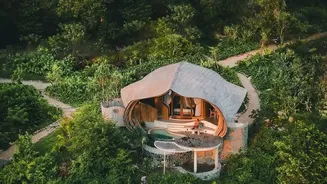
So, what does a day at one of these retreats look like? Mornings might begin with birdwatching, followed by a walk through a coffee plantation or a visit to a local farm. Afternoons could be spent reading on a private veranda overlooking a rain-drenched valley, participating in a cooking class using locally sourced ingredients, or even enjoying a spa treatment. The accommodation itself is often part of the experience, with many resorts built using sustainable materials like local mud and reclaimed wood. Properties such as The Machan in Lonavala offer stays in treehouses, while Banasura Hill Resort in Wayanad is known for its cottages made of earth. The ethos is about blending into the environment, not imposing on it, offering a stay that is both comfortable and conscious.
Finding Your Monsoon Sanctuary
Across India, properties are embracing this trend. In Coorg, retreats are set amidst sprawling coffee plantations, offering activities from ziplining over waterfalls to tranquil walks. In Kerala, you can experience the backwaters in their full monsoon glory or stay at a spice village-themed resort in Thekkady. The hills of Uttarakhand and Himachal Pradesh offer cooler climates and spiritual wellness experiences in places like Rishikesh. Even Goa reveals a quieter, greener side during the rains, perfect for those looking to escape the crowds. The key is to look for places that prioritize authentic experiences and a connection to their local environment, creating a sanctuary where families can truly unwind and reconnect with each other.