




Beyond 'God's Own Country'
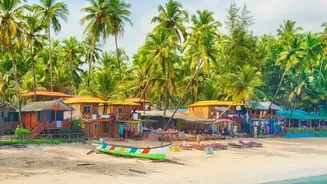
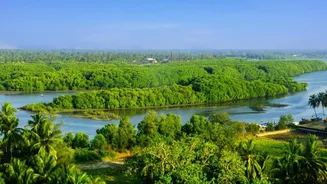
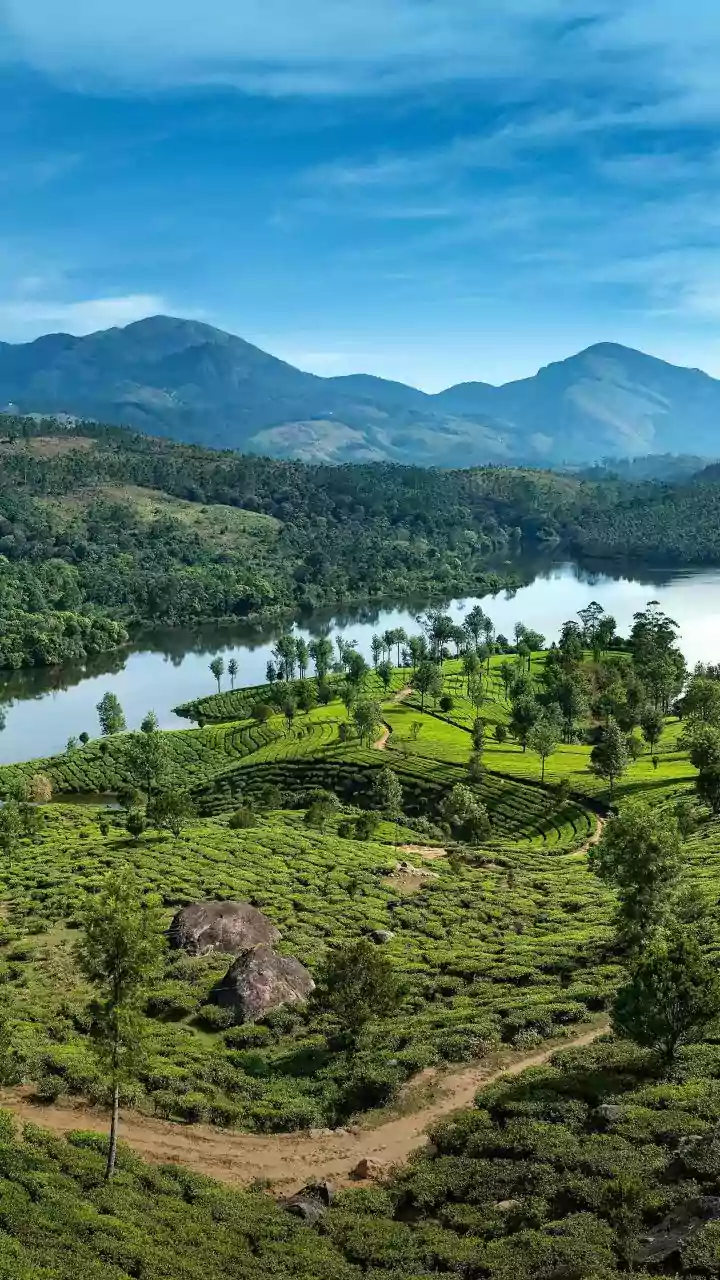
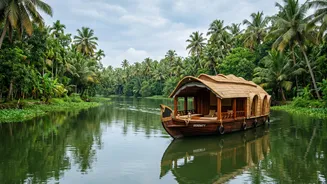
For decades, Kerala has been marketed as 'God's Own Country', a paradise of tranquil backwaters, lush hills, and serene beaches. But as global tourism faces a crisis of conscience—struggling with environmental degradation and social disruption—Kerala
is pioneering a more profound identity. The state has moved beyond just showcasing its beauty to actively protecting it through its internationally acclaimed Responsible Tourism (RT) Mission. Launched in 2017, the mission’s core philosophy is simple yet revolutionary: to make tourism a tool for the development of local and village communities, with a focus on empowering women and preserving local culture. This isn't just about asking tourists to reuse towels; it's a comprehensive framework that integrates the tourism industry with the lives of local people, ensuring that the economic benefits of travel are distributed more equitably.
Putting People First
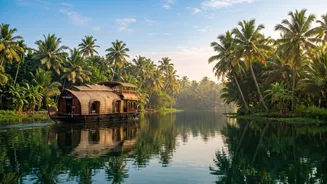
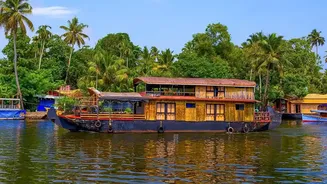
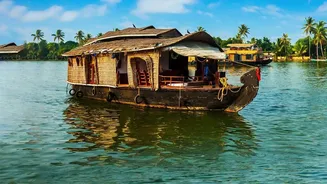
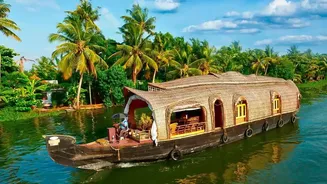
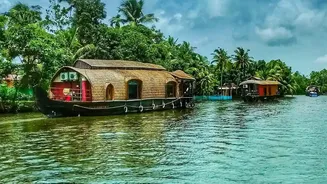
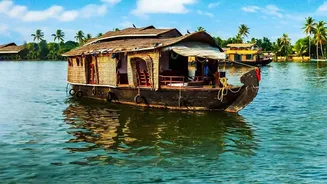
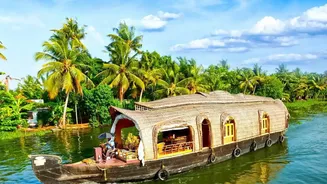
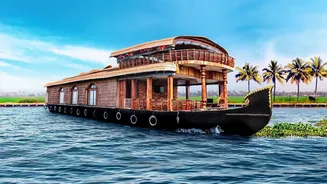
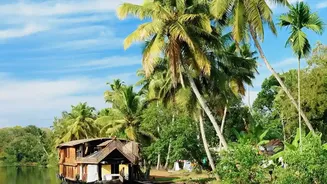
The heart of Kerala's model is its emphasis on community participation. Instead of being passive bystanders, local communities are active stakeholders. This happens through a variety of initiatives, from homestays that allow travelers an authentic glimpse into local life to village-life experience packages where tourists can engage with traditional artisans, farmers, and fishermen. Women-led self-help groups are trained to prepare and supply traditional meals for hotels and houseboats, creating micro-enterprises that foster financial independence. The state’s RT Mission has also created platforms that connect artists, craftspeople, and agricultural producers directly with the tourism market, ensuring they receive a fair price for their goods and services without middlemen. The success of this approach is evident in villages like Kumarakom, which has become a global case study in how to balance visitor satisfaction with community well-being.
A Greener Footprint
Alongside its social goals, Kerala's sustainable tourism model has strong environmental principles. The state promotes projects that conserve natural resources and use them sustainably. For instance, the WATER STREET project in Maravanthuruthu, which won a global award, focused on rejuvenating local water bodies. Other initiatives focus on waste management, reducing plastic usage, and promoting organic farming. By making conservation a part of the tourism experience, such as through guided nature walks and promoting eco-friendly infrastructure, the model ensures that the very assets drawing tourists are protected for future generations. This approach recognises that environmental health and economic prosperity are deeply intertwined.
A Blueprint for the World
So, what makes Kerala's model broadly relevant? It provides a proven solution to the problems plaguing the global tourism industry. As travelers increasingly seek authenticity and meaningful connections over mass-produced experiences, Kerala's approach offers a path forward. It demonstrates that tourism can be a force for good—preserving culture rather than commodifying it, empowering communities rather than displacing them, and protecting ecosystems rather than destroying them. The model's success, recognised through numerous international awards, including the Global Responsible Tourism Award in 2023, proves its viability. It shows other destinations that it is possible to move away from a model based on high volume and low impact to one focused on high value and positive impact, creating better places for people to live in and better places for people to visit.