





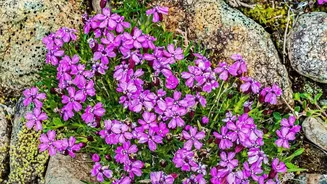
The Unchanging Miracle: Nature's 12-Year Clock
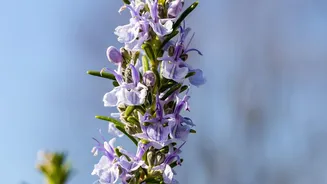
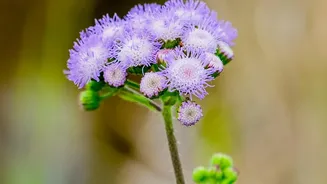
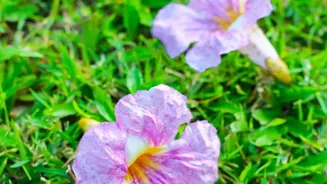
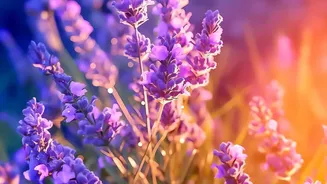
First, let's cover what remains a constant, mystical marvel: the flower itself. Neelakurinji, or Strobilanthes kunthiana, is a shrub endemic to the shola forests of the Western Ghats. Its fame comes from a rare survival strategy known as gregarious flowering.
These plants bloom en masse just once in their 12-year lifecycle, carpeting entire hillsides in a breathtaking display. After this magnificent, synchronised flowering, the plants produce seeds for the next generation and then die. This cycle is an ancient, natural rhythm that operates independently of human calendars. The name of the Nilgiri Hills, or Blue Mountains, is believed to have originated from this very phenomenon. The Paliyan tribe of Tamil Nadu traditionally used the bloom to calculate their age, marking the passage of time in 12-year increments. This core biological wonder—the flower's unyielding 12-year clock—is what makes each bloom as magical as the last.
A Crucial Distinction: Not All Blooms Are The Same
One of the most significant changes for the 2026 bloom is its location. Many remember the spectacular 2018 event that was centred in Eravikulam National Park. However, the 2026 bloom is from a different population of Neelakurinji plants located primarily in the Chokramudi, Mattupetty, and Korandakkad hills. This population last flowered in 2014, making 2026 its scheduled year. The famous Eravikulam bloom, which drew massive crowds in 2018, is not expected again until 2030. This distinction is crucial for visitors. While the experience is just as rare, the focus has shifted away from the national park to other high-altitude grasslands, which come with their own access points and management strategies. The Kurinji Garden at Chokramudi, for instance, was officially opened to visitors in late August 2026 to manage the inflow.
Learning from the Past: A New Approach to Tourism
The 2018 bloom was a lesson in the challenges of mass tourism. The unprecedented influx of visitors led to traffic snarls stretching for kilometres, concerns over waste management, and the risk of ecological damage to the fragile shola grasslands. In response, authorities are bracing for the 2026 season with a more structured approach. The Idukki district administration is considering an app-based visitor management system to allow tourists to reserve time slots for viewing locations, helping to regulate crowds. There are also proposals to restrict the entry of large private buses into Munnar town on peak days and to deploy additional state-run buses as shuttles. The focus has clearly shifted from simply attracting tourists to managing them responsibly, ensuring the environment is not overwhelmed.
Conservation Takes Precedence
What has fundamentally changed is the emphasis on conservation. The Neelakurinji plant itself was assessed for the IUCN Red List for the first time in 2024 and listed as a threatened species, highlighting the vulnerability of its grassland habitat. For the 2026 bloom, there is a zero-tolerance policy for single-use plastics in viewing areas, and visitors are strictly instructed to stay on designated trails. Plucking or trampling the flowers is strictly forbidden. Authorities are conducting carrying-capacity assessments to determine sustainable visitor limits, especially in ecologically sensitive trekking areas like Meesapulimala. This proactive stance represents a significant evolution from previous years, where the conversation was more about tourism numbers than long-term ecological health.