





Moving Beyond the Mithai Box
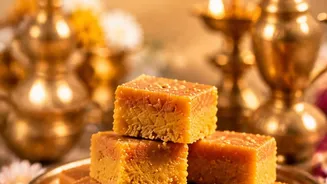
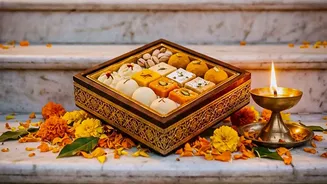
The tradition of exchanging sweets during Diwali is timeless, symbolizing joy and shared sweetness. However, modern gifting trends show a thoughtful shift. While a box of mithai is always welcome, today's gift-givers are often looking for alternatives
that cater to a growing health consciousness or simply offer something more lasting. This has led to the rise of gourmet hampers featuring healthier options like jaggery-based treats, fruit and nut bites, or savory snacks like mathri and chivda. The idea isn't to replace tradition but to enhance it, offering a mix of the familiar and the new that feels both indulgent and considerate. These curated selections show an understanding of the recipient's lifestyle, making the gift feel more personal and less like a generic obligation.
The Rise of Artisanal Utility
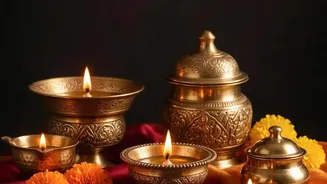
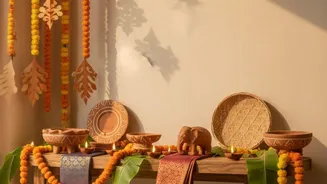
One of the most elegant ways to strike the presentation-utility balance is with artisanal goods that serve a practical purpose. Think beyond temporary decorations to items that can be integrated into daily life. Handcrafted ceramic mugs, elegant brassware like urlis or diyas that can be used year-round, or hand-painted serving trays add a touch of festive beauty while remaining functional. These gifts support local artisans and bring a unique story into the recipient's home. A set of stylish cushion covers, a premium bedsheet set, or even a chic sofa throw can refresh a living space long after the festival is over. The key is to choose high-quality, beautifully designed items that feel special but are durable enough for everyday use.
Gifts That Grow: Sustainable and Eco-Friendly Choices
Sustainability has become a significant consideration in modern Diwali gifting. An increasing number of people appreciate gifts that are kind to the environment. Eco-friendly options range from indoor plants like succulents, which are easy to maintain and purify the air, to gardening kits and 'beej patakhas' (plantable seed crackers). These gifts carry a beautiful message of growth and renewal, perfectly aligning with the spirit of Diwali. Other sustainable ideas include reusable items like stylish copper water bottles, organic kapok pillows, or products made from natural materials like hemp. Gifting sustainably shows a level of thoughtfulness that extends beyond the individual to the well-being of the planet.
Experience Over Objects
In an age of abundance, sometimes the most valuable gift isn't an object at all. Gifting an experience can create lasting memories that a physical item cannot. This could be a voucher for a fine-dining restaurant, a subscription to a streaming service or a curated book club, or a pass to a workshop for a new skill like pottery or painting. These gifts are clutter-free and can be tailored perfectly to the recipient's interests. For a family, a pass to a weekend getaway or a fun local activity can be a wonderful way to encourage quality time together. This approach shifts the focus from material possessions to the joy of new experiences and shared moments.
The Art of Presentation: Making Useful Feel Special
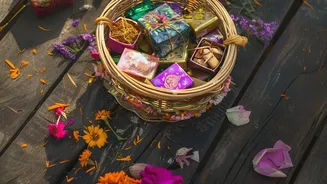
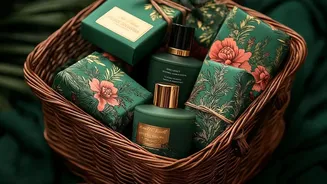
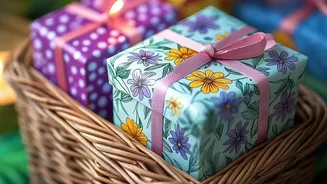
Even the most practical gift can be transformed into a festive treasure with the right presentation. How a gift is wrapped is just as important as what's inside, as it's the first thing the recipient sees. Instead of generic wrapping paper, consider using fabric wraps (a technique known as Furoshiki), which are reusable and elegant. You can also use sturdy, bespoke boxes that can be repurposed for storage later. Adding personal touches like a handwritten note, a fresh flower, or a custom tag elevates the entire experience. For a hamper, focus on creating a complete sensory package: combine an anchor item (like a pan or a vase) with smaller, edible treats and a few festive elements like diyas. This thoughtful assembly ensures that even a simple, useful gift feels luxurious and full of festive spirit.