
The Ghost Particles of the Universe
Trillions of neutrinos pass through your body every second, yet you’ll never feel them. Often called 'ghost particles', neutrinos are fundamental building blocks of the universe, but they are incredibly light, have no electric charge, and barely interact
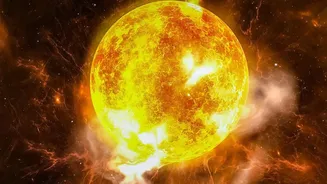
with matter. They are born from nuclear reactions inside stars and in cataclysmic cosmic events like supernovae. Because they travel largely unimpeded through space and matter, they offer scientists a direct window into the fiery, dense cores of stars—places we can't observe otherwise. For decades, these particles were considered interesting but minor players. Now, research suggests they are anything but.
A Cosmic Identity Crisis
A key piece of this cosmic puzzle is a strange quantum behavior called 'neutrino oscillation' or 'flavor change'. Neutrinos come in three types, or 'flavors': electron, muon, and tau. As they travel, they can spontaneously switch from one flavor to another. This phenomenon, which earned a Nobel Prize in Physics, was long thought to have little effect on the massive stellar explosions that produce them. However, a new study from researchers at the University of Copenhagen shows this assumption might be wrong. Different neutrino flavors interact with matter differently. An electron neutrino is more likely to be absorbed by stellar material than a muon or tau neutrino. This seemingly small difference can have colossal consequences.
The Death of a Massive Star
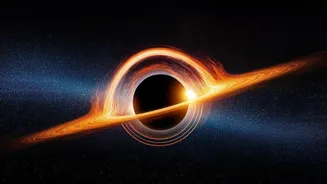
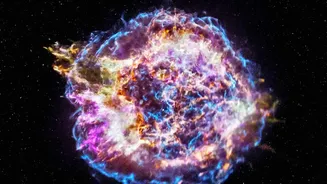
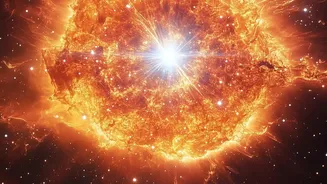
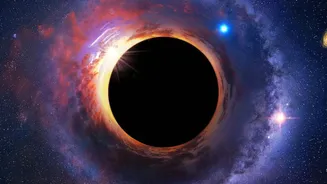
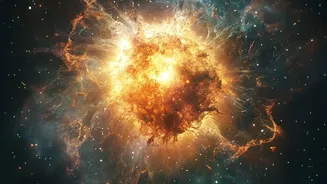
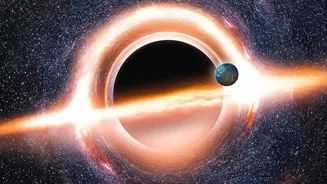
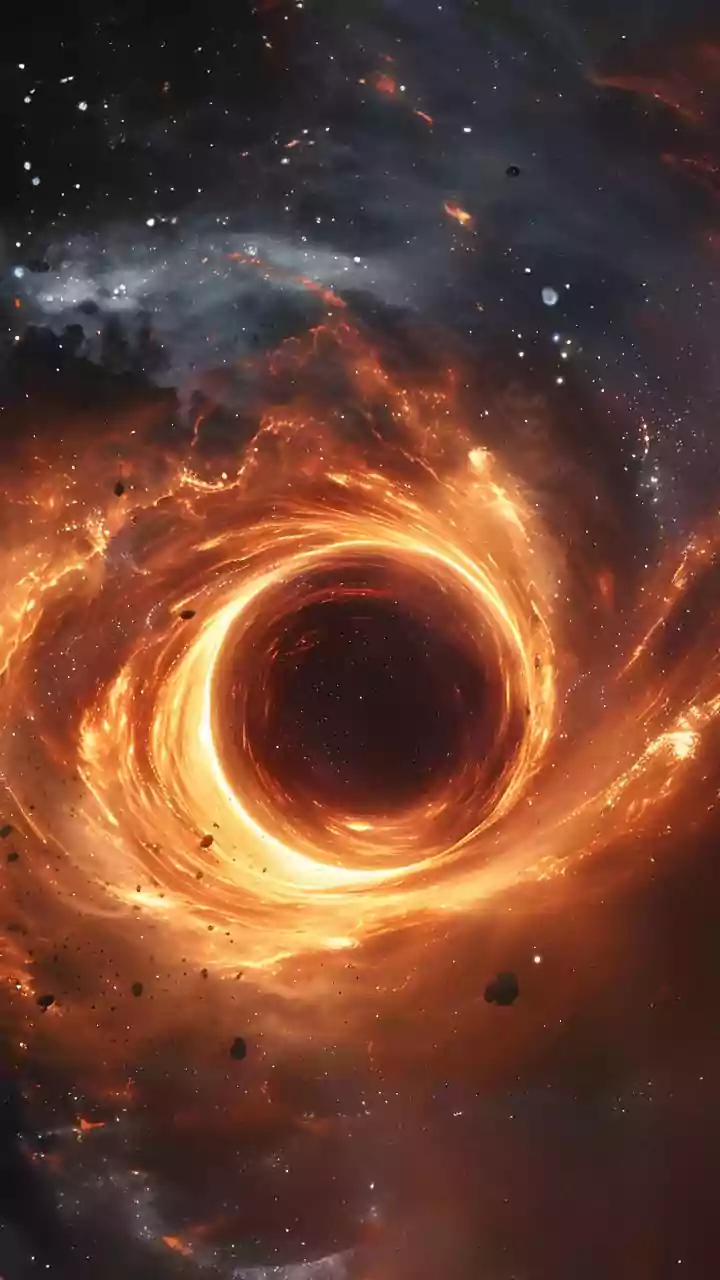
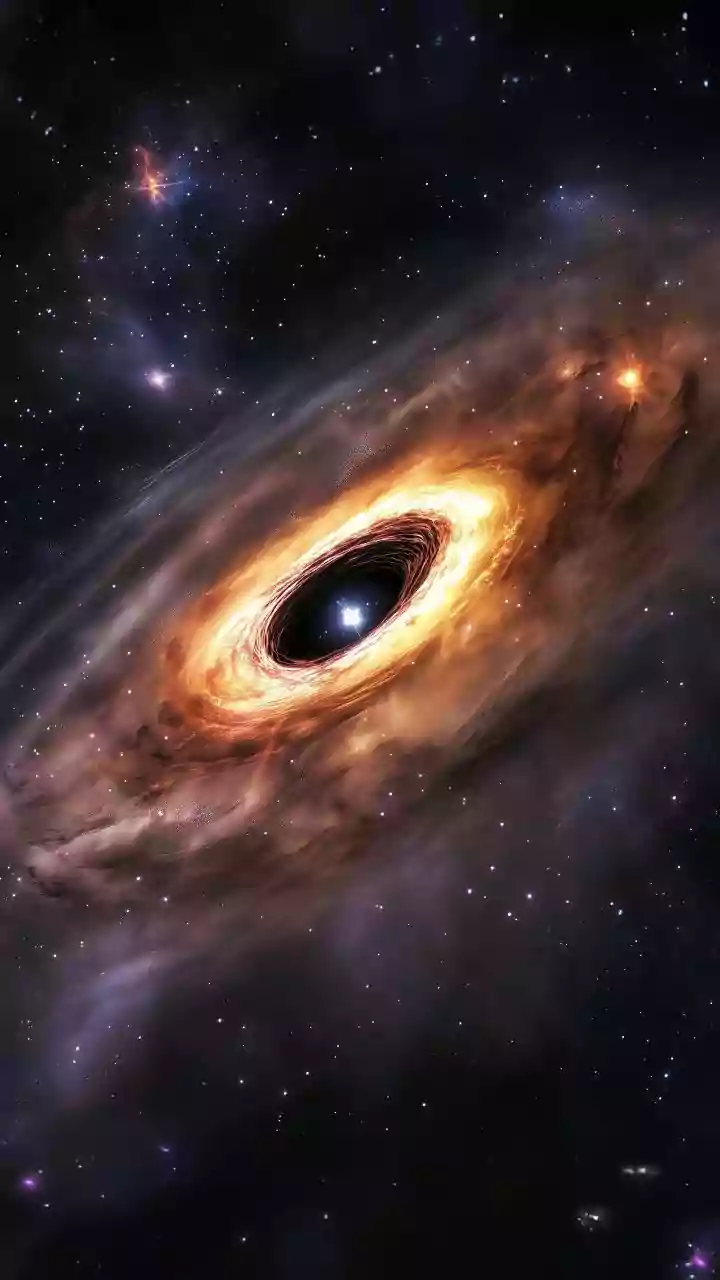
When a star many times more massive than our Sun runs out of fuel, it can no longer support its own immense weight. Its core collapses in a fraction of a second, creating a shockwave and releasing about 99% of its energy in a colossal flood of neutrinos. For a star to explode in a supernova, this outward-moving shockwave must be strong enough to blow the star's outer layers into space. If it succeeds, a super-dense neutron star is left behind. If the shockwave fails, or 'fizzles', the star's material falls back onto the core, and gravity wins, crushing it into a black hole. This is where neutrinos become the deciding factor.
The Deciding Vote
The new research, published in the journal Physical Review D, used 195 simulations of dying stars to see what happens when flavor changes are included in the models. The findings were dramatic. When neutrinos change flavor within the dense core, it can alter the heating of the material around it. If more neutrinos change into the less-interactive muon and tau flavors, they are less likely to be absorbed by the surrounding gas. This means they fail to give the shockwave the extra push it needs to trigger a full-blown supernova. Instead of exploding, the star is more likely to collapse quietly into a black hole. This effect was particularly strong for stars between 16 and 30 times the mass of the Sun, many of which were previously expected to explode but failed in the new simulations.
Solving Cosmic Mysteries
This discovery could help explain several long-standing astronomical puzzles. Scientists have observed fewer supernovae in the universe than theoretical models predict, a discrepancy known as the 'supernova rate problem'. If more stars are collapsing directly into black holes without a bright explosion, this could account for the missing supernovae. It might also explain why astronomers have seen massive red supergiant stars simply vanish, likely becoming black holes without the usual fanfare. Furthermore, the models suggest that when supernovae do occur under these conditions, they may create less massive neutron stars, which aligns with recent observations. This single, tiny particle's behavior appears to be a crucial missing ingredient in our understanding of how the most massive objects in the universe are born.