



Start with Your Light
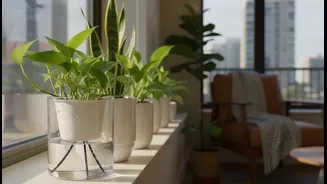
Light is the most critical factor for a plant's survival. Before you shop, assess the light in the spot you've chosen. Use a compass app or observe the sun's path. North-facing windows offer low, indirect light, ideal for plants like the Snake Plant,
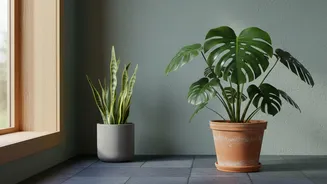
ZZ Plant, and Pothos. East-facing windows get gentle morning sun, perfect for a wide range of plants including ferns and Calatheas. South-facing windows provide the most intense, all-day sun, which is great for succulents, cacti, and other sun-lovers. West-facing windows have strong afternoon sun, suitable for plants like the Monstera or Jade Plant. Matching a plant to your available light is the first and most important step to success.
Gauge Your Room’s Humidity
Next, consider the moisture in the air. Most homes have average humidity, but some spaces, like bathrooms and kitchens, are naturally more humid. These spots are perfect for plants that thrive in tropical conditions, such as Boston Ferns and many Calatheas. On the other hand, rooms that are dry, especially in winter when heating is on, are better suited for plants that don't need much humidity, like succulents, cacti, and Snake Plants. Choosing a plant that matches your room's typical humidity level will prevent issues like brown, crispy leaf tips.
Be Honest About Your Habits
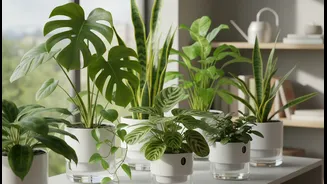
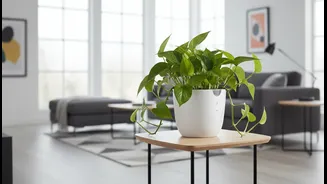
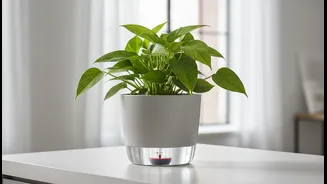
It's time for some self-reflection. Are you an attentive waterer, or are you more of a 'set it and forget it' type? If you tend to forget, choose a drought-tolerant plant that forgives neglect. ZZ Plants, Snake Plants, and succulents store water in their leaves and roots, so they prefer their soil to dry out completely between waterings. If you love to nurture your plants daily, you might enjoy a plant that requires more consistent moisture, like a fern or a Peace Lily. Be realistic about the time and attention you can commit. For beginners, it's often best to start with a low-maintenance option like a Pothos or Spider Plant.
Consider Pets and Children
Many common houseplants are toxic if ingested by pets or curious toddlers. If you have a furry friend or a little one at home, it is crucial to select non-toxic plants. Peace Lilies, Philodendrons, and Snake Plants, while popular, can be harmful if nibbled on. Thankfully, there are many beautiful and safe options available. Spider Plants, Areca Palms, Boston Ferns, Calatheas, and Parlor Palms are all non-toxic and widely available in India. Always double-check a plant's toxicity before bringing it into a home with pets or small children.
Think About Space and Size
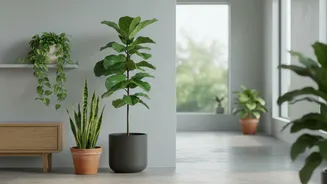
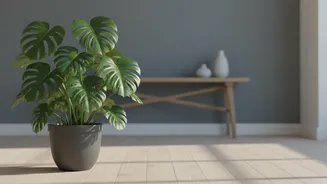
Visualise the plant in its intended spot. How much room do you have? Consider the plant's mature size, not just how it looks in the nursery pot. A tiny Fiddle Leaf Fig might look cute now, but it will eventually want to become a large floor-to-ceiling statement piece. If you have a small shelf, look for compact growers like a Peperomia or a small succulent. If you have a large, empty corner, a taller floor plant like a Monstera or a Bird of Paradise could be a perfect fit. Choosing a plant that will fit your space long-term saves you from having to re-home it later.
The In-Store Health Check
Once you're at the nursery with your short-list, it's time for a final inspection. Look for a plant with healthy, vibrant foliage and signs of new growth, which indicates it is actively growing and not stressed. Avoid plants with many yellowing or brown leaves, or spots, which can signal disease or pest issues. Check under the leaves and along the stems for common pests like spider mites (look for fine webbing) or mealybugs (which look like tiny white fluff). Finally, take a peek at the roots if you can. Healthy roots are typically firm and light-coloured. If roots are growing out of the drainage holes, the plant is root-bound and will need repotting soon. Don't be afraid to pick through the selection to find the healthiest specimen.